
From Ancient Times to Modern Art: The Evolution of Granite Sculptures
2026-06-08 10:10
From Ancient Times to Modern Art: The Evolution of Granite Sculptures
Table of Contents
- Introduction to Granite Sculptures
- Historical Significance of Granite in Sculpture
- Granite Sculptures in Ancient Civilizations
- Techniques and Tools Used in Granite Sculpting
- The Transition from Medieval to Renaissance Art
- Modern Art Movements and Granite Sculptures
- The Environmental Impact of Granite Sculpture Production
- The Future of Granite Sculptures in Contemporary Art
- Conclusion
- Frequently Asked Questions
Introduction to Granite Sculptures
Granite sculptures have played a pivotal role in the art world, reflecting the skills and creativity of countless artists throughout history. This enduring medium has transcended time, evolving from primitive carvings to intricate masterpieces. In this article, we delve into the evolution of granite sculptures, exploring their significance, techniques, and future prospects.
Historical Significance of Granite in Sculpture
Granite is one of the oldest materials used in sculpture, known for its durability and aesthetic appeal. Civilizations recognized granite's strength and permanence, associating it with power and endurance. Statues carved from granite often symbolized religious beliefs, cultural values, and historical narratives, serving not just as art but also as monuments that connected communities to their heritage.
Granite Sculptures in Ancient Civilizations
Granite sculptures date back thousands of years, with ancient Egypt showcasing some of the most iconic examples. The Egyptians expertly carved granite to create monumental statues of pharaohs and deities. These sculptures were not merely decorative; they were integral to religious practices and the afterlife, believed to ensure the pharaoh's safe passage to the next world.
Similarly, ancient Indian and Greek cultures produced magnificent granite sculptures. In India, the intricate carvings of gods and goddesses found in temples reflect spiritual devotion and artistic mastery. Greek artisans, on the other hand, used granite to create life-sized statues that celebrated human form and beauty, laying the groundwork for Western art traditions.
Techniques and Tools Used in Granite Sculpting
The techniques employed in granite sculpting have evolved significantly. Early artisans relied on rudimentary tools, such as chisels made from harder stones and simple hammers. The process was labor-intensive, requiring immense skill and patience. As technology advanced, so did the tools used in granite sculpture.
Today, modern techniques include diamond-tipped saws and pneumatic tools, enabling artists to work with granite more efficiently. Despite technological advancements, many artists still appreciate traditional methods, valuing the connection to their historical roots. This blend of old and new techniques creates unique expressions in granite art.
The Transition from Medieval to Renaissance Art
During the medieval period, granite sculptures began to reflect the changing social and religious landscapes of Europe. The Gothic style emerged, characterized by intricate details and emotive expressions. Churches and cathedrals featured granite sculptures that told biblical stories, enhancing the spiritual experience for worshippers.
The Renaissance marked a revolutionary shift in artistic perspectives. Artists like Michelangelo elevated granite sculpture to new heights, showcasing human figures with unprecedented realism. His famous sculpture, David, exemplifies the mastery of anatomy and emotion, setting a standard that continues to inspire sculptors today. The Renaissance period thus represents a crucial turning point in the history of granite sculpture, elevating it from functional to fine art.
Modern Art Movements and Granite Sculptures
The 20th century witnessed a diversification of artistic expression, and granite sculptures evolved accordingly. Movements such as Abstract Expressionism and Minimalism explored new concepts, often challenging traditional notions of sculpture. Artists like Henry Moore and Barbara Hepworth incorporated granite into their works, using its inherent qualities to evoke emotion and provoke thought.
In contemporary art, granite continues to be a favored medium. Artists create site-specific sculptures that respond to their environments, merging nature and art. The versatility of granite allows for experimentation with form and texture, resulting in innovative pieces that resonate with modern audiences.
The Environmental Impact of Granite Sculpture Production
As the demand for granite sculptures grows, it is essential to consider the environmental implications of granite quarrying and production. The extraction process can lead to habitat destruction, water pollution, and considerable energy consumption.
To mitigate these impacts, many artists and producers are adopting sustainable practices. Using locally sourced granite, recycling materials, and minimizing waste during production are steps being taken to ensure that the beauty of granite sculptures does not come at the expense of the environment.
The Future of Granite Sculptures in Contemporary Art
Looking ahead, granite sculptures are poised to remain a vital part of the art landscape. As artists continue to explore innovative techniques and themes, the potential for granite as a medium is limitless. The blend of technology and traditional craftsmanship will likely yield new forms and expressions that resonate with future generations.
Moreover, the growing interest in public art installations and outdoor sculptures indicates a bright future for granite artists. As communities seek to beautify spaces and foster connections, granite sculptures can serve as focal points that inspire dialogue and reflection.
Conclusion
The evolution of granite sculptures is a testament to the enduring nature of human creativity and expression. From ancient times, where they served as religious icons and monuments, to modern interpretations that challenge and inspire, granite sculptures have continually adapted to reflect changing societal values and artistic trends. As we move into the future, it is essential to honor the past while embracing innovation, ensuring that this timeless medium continues to captivate audiences for generations to come.
Frequently Asked Questions
1. What are granite sculptures made of?
Granite sculptures are made from granite, a hard and durable natural stone composed primarily of quartz, feldspar, and mica.
2. How do artists carve granite sculptures?
Artists carve granite sculptures using a combination of traditional and modern tools, including chisels, hammers, diamond saws, and pneumatic chisels.
3. Why is granite used for sculptures?
Granite is favored for its strength, durability, and aesthetic appeal, making it suitable for both indoor and outdoor sculptures.
4. What are some famous granite sculptures?
Notable granite sculptures include Michelangelo's David, Mount Rushmore in the USA, and the giant granite Buddha statues found in various locations around the world.
5. How do environmental concerns affect granite sculpture production?
Environmental concerns arise from granite quarrying, which can lead to habitat destruction and pollution. Sustainable practices are increasingly being adopted to minimize these impacts.
By exploring the rich history and future potential of granite sculptures, we appreciate not only the artistry involved but also the cultural significance of this enduring medium.
MORE NEWS

Choosing the Right Granite Sculpture for Your Artistic Collection: A Comprehensive Guide
Choosing the Right Granite Sculpture for Your Artistic Collection
Introduction to Granite Sculptures
Granite sculptures serve as timeless pieces of art that can elevate any space, from gardens to galleries. Renowned for their durability and beauty, these sculptures embody both artistic expression and natural elegance. When selecting the right granite sculpture for your collection, it’s essential t
2026/09/02
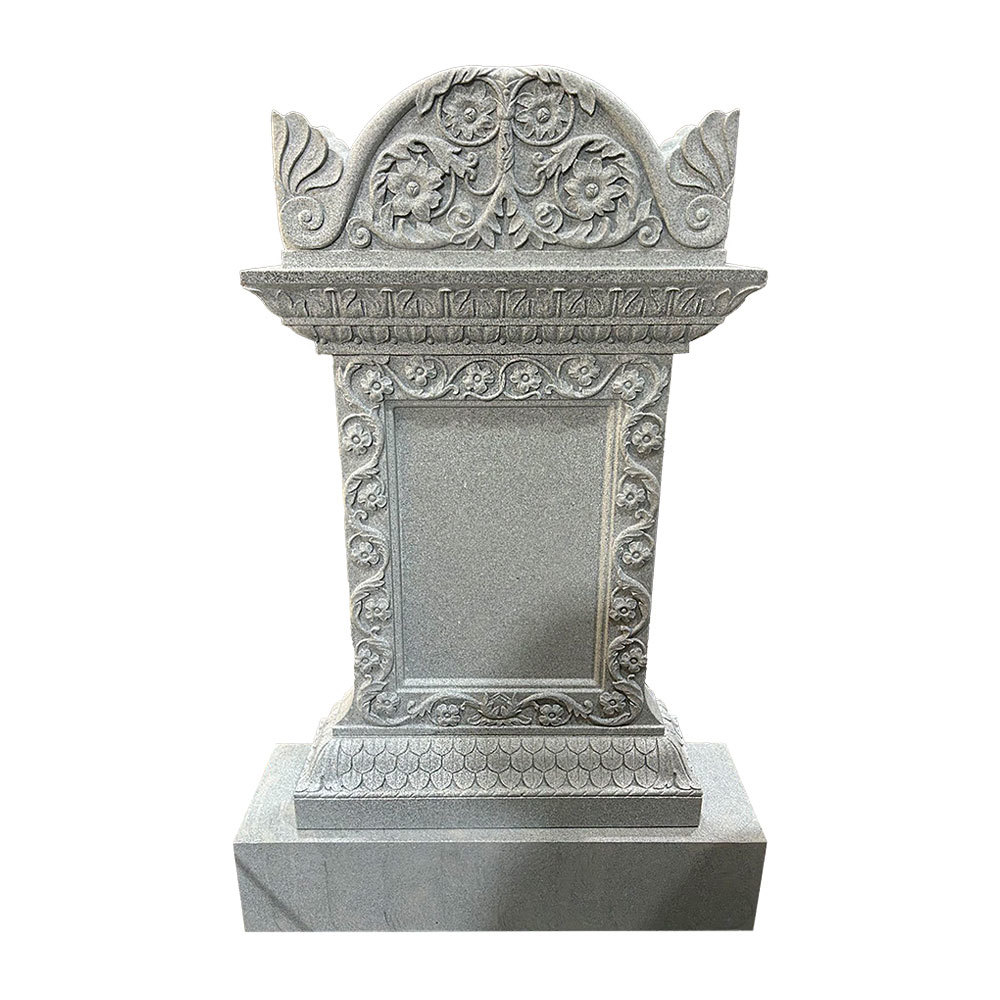
Choosing the Perfect Memorial Headstone: A Comprehensive Guide
---
Selecting a memorial headstone is not merely about marking a grave; it is about celebrating life and preserving memories. The process can be overwhelming due to the variety of styles, materials, and inscriptions available. Here are some key considerations to help you navigate this important decision.
**1. Understanding the Types of Memorial Headstones:**
Memorial headstones come in various sha
2026/08/28
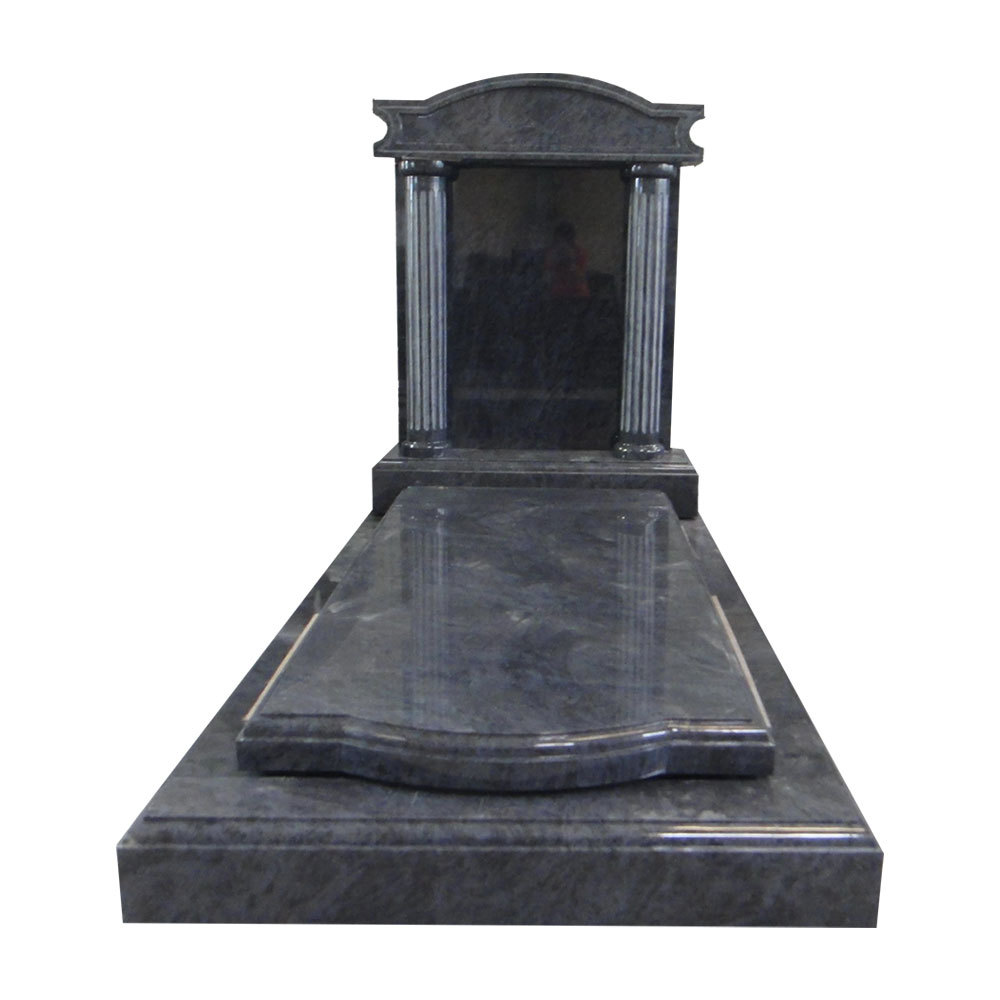
How to Choose the Right Inscription for a Cemetery Headstone: A Comprehensive Guide
How to Choose the Right Inscription for a Cemetery Headstone
When it comes to commemorating the life of a loved one, choosing the right inscription for a cemetery headstone is a profoundly personal decision. The inscription serves as a lasting tribute, capturing the essence of the individual and conveying sentiments that will resonate with family and friends for generations. In this guide, we will
2026/08/23
Get a Quote Today
Looking for a trusted granite memorial supplier?