
Exploring the Timeless Elegance of Bronze Sculptures
2026-09-07 09:10
Bronze sculptures have long been revered for their durability and aesthetic appeal. The use of bronze, an alloy primarily made of copper and tin, dates back thousands of years to ancient civilizations. Artists favor bronze for its ability to capture fine details and its resistance to corrosion, making it an ideal medium for both indoor and outdoor installations.
When it comes to the artistry involved in creating bronze sculptures, the process typically begins with a model made from clay, wax, or another material. This model is then used to create a mold, which allows for the casting of the bronze. The most common method employed is the lost-wax casting technique, where the wax model is melted away, leaving behind a hollow mold into which molten bronze is poured. This method not only provides intricate detail but also allows for multiple editions of a piece, appealing to a broader audience of collectors.
Bronze sculptures can range from small decorative items to large public installations, making them versatile in application. They often serve as focal points in gardens, parks, and galleries, adding an element of sophistication and artistry to any environment. Their timeless nature means that they can complement various design styles, from classical to contemporary, making them a popular choice among interior decorators and landscape designers.
Maintenance is essential to preserving the beauty of bronze sculptures. While bronze is resistant to the elements, over time, it may develop a patina, a greenish layer that can form due to oxidation. Many collectors appreciate this natural aging process as it adds character to the piece. However, if a pristine finish is desired, regular cleaning with a mild soap solution and a soft cloth can help maintain its original luster. Additionally, applying a protective wax can shield the sculpture from environmental factors.
For those interested in acquiring bronze sculptures, it's essential to consider the artist's reputation and the uniqueness of the piece. Each sculpture tells a story, reflecting the artist's vision and technical skill. Investing in bronze art can also be a fulfilling endeavor, as it not only beautifies spaces but can also serve as a valuable asset over time.
In conclusion, bronze sculptures are more than just decorative items; they are a testament to human creativity and craftsmanship. Understanding their history, creation process, and maintenance can enhance appreciation for these stunning works of art. Whether you are a seasoned collector or a newcomer to the world of sculpture, bronze pieces offer a timeless elegance that can enrich any collection.
When it comes to the artistry involved in creating bronze sculptures, the process typically begins with a model made from clay, wax, or another material. This model is then used to create a mold, which allows for the casting of the bronze. The most common method employed is the lost-wax casting technique, where the wax model is melted away, leaving behind a hollow mold into which molten bronze is poured. This method not only provides intricate detail but also allows for multiple editions of a piece, appealing to a broader audience of collectors.
Bronze sculptures can range from small decorative items to large public installations, making them versatile in application. They often serve as focal points in gardens, parks, and galleries, adding an element of sophistication and artistry to any environment. Their timeless nature means that they can complement various design styles, from classical to contemporary, making them a popular choice among interior decorators and landscape designers.
Maintenance is essential to preserving the beauty of bronze sculptures. While bronze is resistant to the elements, over time, it may develop a patina, a greenish layer that can form due to oxidation. Many collectors appreciate this natural aging process as it adds character to the piece. However, if a pristine finish is desired, regular cleaning with a mild soap solution and a soft cloth can help maintain its original luster. Additionally, applying a protective wax can shield the sculpture from environmental factors.
For those interested in acquiring bronze sculptures, it's essential to consider the artist's reputation and the uniqueness of the piece. Each sculpture tells a story, reflecting the artist's vision and technical skill. Investing in bronze art can also be a fulfilling endeavor, as it not only beautifies spaces but can also serve as a valuable asset over time.
In conclusion, bronze sculptures are more than just decorative items; they are a testament to human creativity and craftsmanship. Understanding their history, creation process, and maintenance can enhance appreciation for these stunning works of art. Whether you are a seasoned collector or a newcomer to the world of sculpture, bronze pieces offer a timeless elegance that can enrich any collection.
MORE NEWS
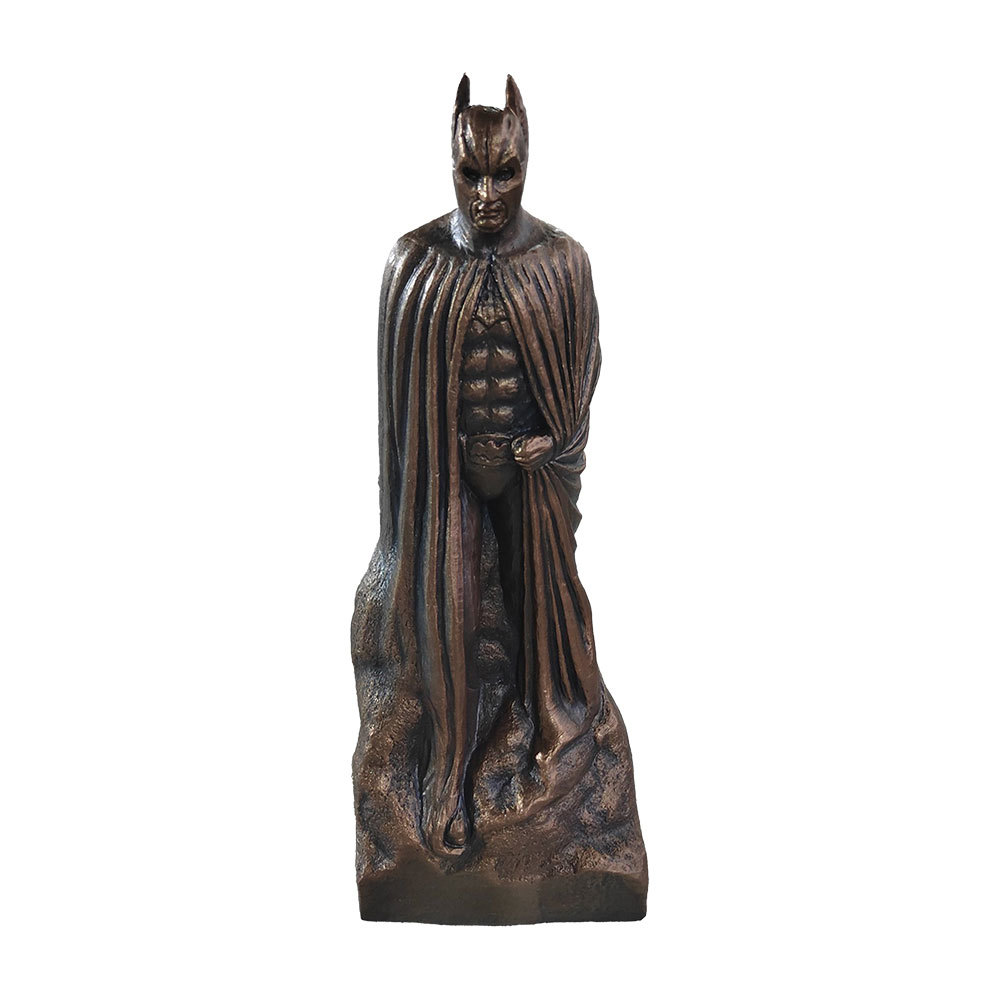
Exploring the Timeless Elegance of Bronze Sculptures
Bronze sculptures have long been revered for their durability and aesthetic appeal. The use of bronze, an alloy primarily made of copper and tin, dates back thousands of years to ancient civilizations. Artists favor bronze for its ability to capture fine details and its resistance to corrosion, making it an ideal medium for both indoor and outdoor installations.
When it comes to the artistry invol
2026/09/07

Choosing the Right Granite Sculpture for Your Artistic Collection: A Comprehensive Guide
Choosing the Right Granite Sculpture for Your Artistic Collection
Introduction to Granite Sculptures
Granite sculptures serve as timeless pieces of art that can elevate any space, from gardens to galleries. Renowned for their durability and beauty, these sculptures embody both artistic expression and natural elegance. When selecting the right granite sculpture for your collection, it’s essential t
2026/09/02
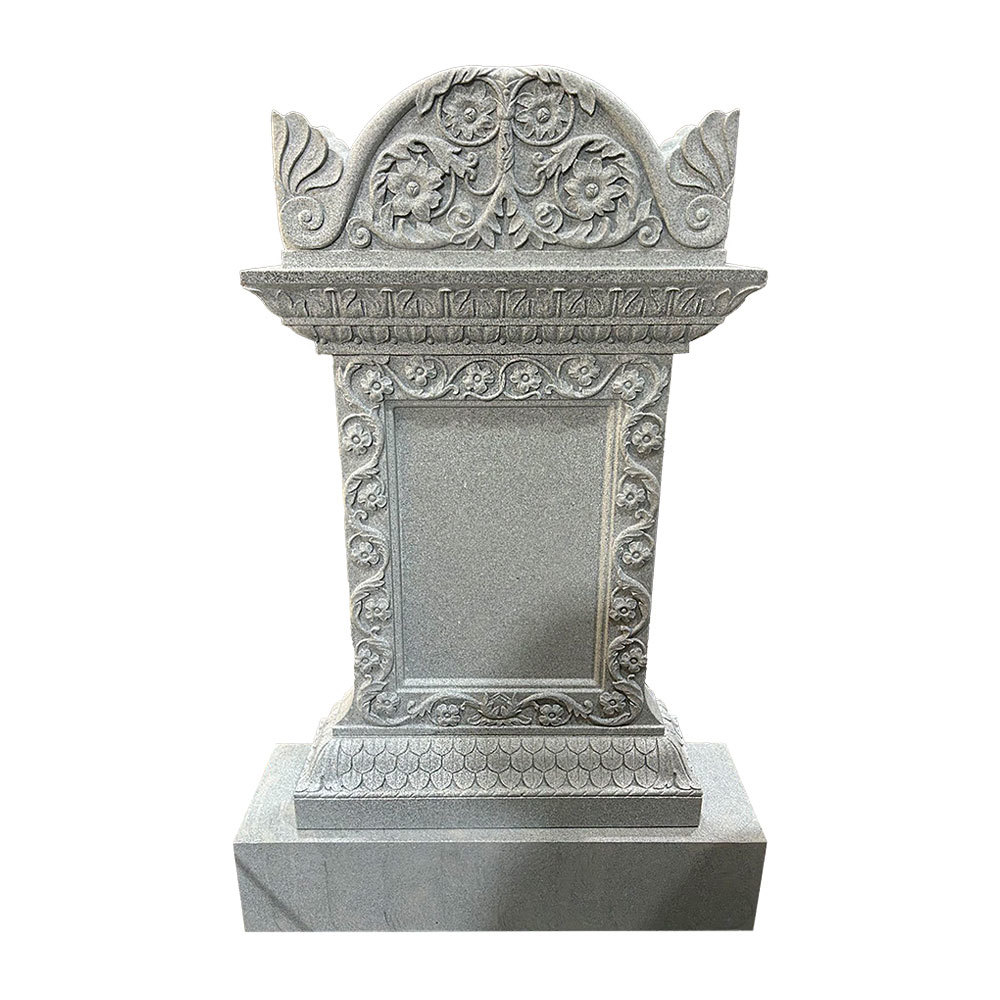
Choosing the Perfect Memorial Headstone: A Comprehensive Guide
---
Selecting a memorial headstone is not merely about marking a grave; it is about celebrating life and preserving memories. The process can be overwhelming due to the variety of styles, materials, and inscriptions available. Here are some key considerations to help you navigate this important decision.
**1. Understanding the Types of Memorial Headstones:**
Memorial headstones come in various sha
2026/08/28
Get a Quote Today
Looking for a trusted granite memorial supplier?