
Exploring the Timeless Craft of Hand Carved Monuments: A Journey into Artistry and Heritage
2025-10-25 13:30
Exploring the Timeless Craft of Hand Carved Monuments
Hand-carved monuments represent a unique blend of artistry, craftsmanship, and deep cultural significance. As a society, we often seek ways to honor our loved ones, and these monuments stand as enduring tributes to their lives. In this article, we will explore the meticulous craft behind hand-carved monuments, the materials used, the cultural implications, and the contemporary relevance of these timeless creations. Join us as we take a closer look at the artistry involved in creating these beautiful memorials.
Table of Contents
- What Are Hand Carved Monuments?
- A Brief History of Hand Carved Monuments
- Materials Used in Hand Carving Monuments
- The Hand Carving Process: Step-by-Step
- Artistic Techniques in Hand Carving
- Cultural Significance of Hand Carved Monuments
- Modern Innovations in Monument Design
- Caring for Hand Carved Monuments
- Frequently Asked Questions
What Are Hand Carved Monuments?
Hand-carved monuments are memorial structures, often fashioned from stone, that serve to commemorate individuals, families, or significant events. These monuments can take various forms, including gravestones, memorial markers, and statues. Each piece is uniquely crafted, ensuring that it not only honors the individual it represents but also stands as a work of art in its own right. The process of hand carving involves skilled artisans who utilize traditional techniques passed down through generations, making each creation a testament to both craftsmanship and emotional expression.
A Brief History of Hand Carved Monuments
The art of monument carving dates back thousands of years, with early examples found in ancient civilizations such as Egypt, Greece, and Rome. These cultures utilized stone monuments to honor their deceased, often inscribing them with elaborate designs and epitaphs. Over time, this practice evolved, incorporating various cultural influences and materials, leading to the diverse styles we see today. The significance of these monuments goes beyond mere decoration; they are physical representations of beliefs, commemorations of lives lived, and reflections of societal values.
Materials Used in Hand Carving Monuments
Monument carving primarily involves the use of durable materials that can withstand the test of time. Common materials include:
- Granite: Known for its durability and resistance to weathering, granite is a popular choice for monuments. Its wide range of colors and textures adds to its appeal.
- Marble: Valued for its beauty and elegance, marble has been a favored material for centuries. While it may require more maintenance, its aesthetic qualities are unmatched.
- Sandstone: This softer stone is easier to carve, allowing for intricate designs. However, it may be more susceptible to erosion over time.
- Limestone: Often used for its availability and workability, limestone can be intricately carved but may need treatment to enhance its longevity.
The Hand Carving Process: Step-by-Step
The process of creating a hand-carved monument is a meticulous journey that requires both skill and patience. Here’s a breakdown of the steps involved:
Step 1: Design Conceptualization
The initial phase involves collaborating with clients to understand their vision. Artists sketch various designs, incorporating personal elements that reflect the individual’s life and legacy.
Step 2: Material Selection
Once the design is finalized, the appropriate stone material is selected based on durability, aesthetics, and budget considerations.
Step 3: Rough Shaping
Using chisels and other tools, the artisan begins to rough shape the stone. This stage establishes the basic form of the monument.
Step 4: Detailed Carving
With the rough shape in place, the artist meticulously carves intricate details, such as inscriptions, symbols, and imagery, bringing the design to life.
Step 5: Finishing Touches
Once the carving is complete, the monument undergoes polishing to enhance its surface and reveal the stone’s natural beauty.
Step 6: Installation
The final step involves carefully transporting and installing the monument at the designated site, ensuring it is securely placed and oriented correctly.
Artistic Techniques in Hand Carving
The artistry involved in hand carving monuments involves several techniques that contribute to the uniqueness of each piece. Some common techniques include:
Relief Carving
This technique involves raising certain elements above the background, creating a three-dimensional effect that adds depth to the design.
Intaglio Carving
In this technique, designs are cut into the stone surface, producing a recessed effect. Intaglio work is often used for inscriptions and intricate patterns.
Engraving
Engraving involves carving fine lines into the stone, often used for detailed images or lettering, ensuring clarity and longevity.
Polishing
The finishing process not only enhances the monument's appearance but also protects it from the elements, ensuring it retains its beauty over the years.
Cultural Significance of Hand Carved Monuments
Hand-carved monuments have profound cultural importance across various societies. They serve as tangible expressions of grief and remembrance, reflecting the values and beliefs of the communities they represent. In many cultures, monuments are viewed as sacred spaces that foster contemplation and connection with the past. They remind us of our shared human experience and the legacies we leave behind.
Modern Innovations in Monument Design
As technology advances, the field of monument carving has also evolved. Modern innovations include:
Computer-Aided Design (CAD)
Artists can now use CAD software to create precise designs, allowing for intricate details that may be challenging to achieve manually.
Laser Engraving
This technique enables high precision and speed, allowing artisans to produce complex designs with ease.
Eco-Friendly Materials
With a growing emphasis on sustainability, many carvers are exploring eco-friendly materials and practices that reduce environmental impact.
Caring for Hand Carved Monuments
To ensure the longevity of hand-carved monuments, proper care is essential. Here are some tips for maintenance:
- Regular Cleaning: Gently clean the surface with water and a soft brush to remove dirt and debris.
- Avoid Harsh Chemicals: Use only mild detergents as harsh chemicals can damage the stone surface.
- Inspect for Damage: Regularly check for cracks or chips and consult a professional for repairs if necessary.
Frequently Asked Questions
1. How long does it take to create a hand-carved monument?
The timeline can vary based on the complexity of the design and the material used, but it typically takes several weeks to a few months.
2. Can I customize the design of a monument?
Absolutely! Many artisans encourage personalization to make each monument a unique tribute.
3. What types of stone are best for outdoor monuments?
Granite and marble are popular choices due to their durability and resistance to weathering.
4. Are hand-carved monuments more expensive than machine-made ones?
Generally, yes. The craftsmanship and time involved in hand carving contribute to a higher cost, but many believe the quality and uniqueness justify the investment.
5. How do I choose the right monument for my needs?
Consider factors such as the individual’s personality, family preferences, and the monument's location when making your selection.
Conclusion
Hand-carved monuments represent more than mere stone; they embody the stories, memories, and legacies of those who have passed. Through skilled craftsmanship and artistic expression, these timeless creations serve as lasting tributes that resonate with meaning. As we navigate modern life, the importance of honoring our loved ones remains constant, and the art of hand carving allows us to pay homage to their memory in a deeply personal and beautiful way. By understanding the intricacies of this craft, we not only appreciate the artistry involved but also the cultural significance that these monuments carry across generations.
MORE NEWS
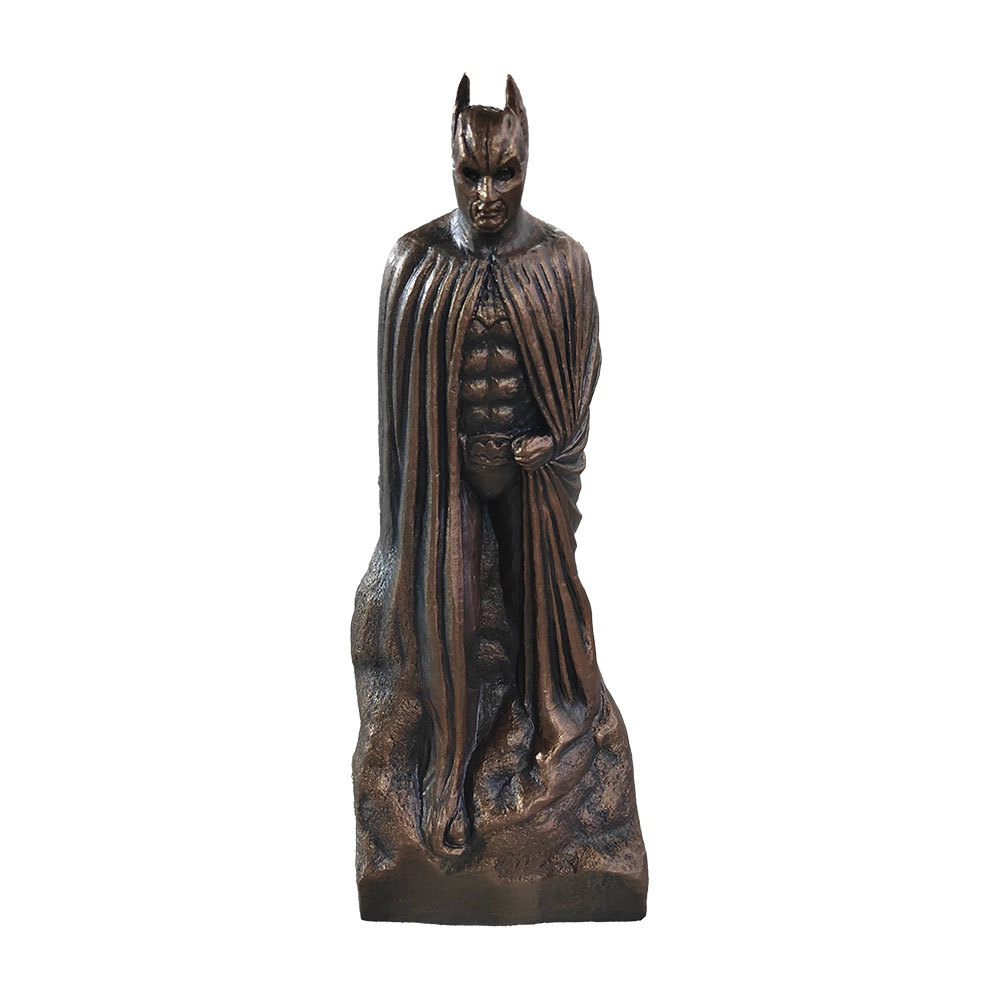
The Art and Craft of Bronze Sculpture: A Timeless Masterpiece
2026/11/20

The Art and Technique of Creating Captivating Granite Sculptures
2026/11/15

Understanding Memorial Headstones: A Comprehensive Guide for Professionals
2026/11/10
Get a Quote Today
Looking for a trusted granite memorial supplier?