
The Art and Craft of Bronze Sculpture: A Timeless Masterpiece
2026-11-20 12:11
Bronze sculpture represents a unique fusion of art and metallurgy, making it one of the most revered forms of artistic expression throughout history. The process of creating bronze sculptures has evolved over thousands of years, with roots tracing back to ancient civilizations. Today, artists continue to utilize traditional techniques, offering both aesthetic beauty and structural integrity to their works.
The primary alloy used in bronze sculptures is a combination of copper and tin, which provides the material with remarkable durability and resistance to corrosion. This characteristic is crucial, as bronze sculptures are often displayed in outdoor settings, subjected to various environmental elements. Additionally, the malleability of bronze allows artists to achieve intricate details that can capture the essence of their subjects, whether human figures, animals, or abstract forms.
One of the most notable techniques in bronze sculpture is the lost-wax casting process, also known as cire perdue. This method involves creating a wax model of the desired sculpture, which is then coated with a clay shell. Once the shell is hardened, the wax is melted away, leaving a mold into which molten bronze is poured. This technique allows for a high level of detail and is responsible for many of the iconic bronze pieces throughout history.
Moreover, the patination process adds a unique character to bronze sculptures. Artists can manipulate the surface finish through chemical treatments or environmental exposure, resulting in an array of colors, textures, and protective coatings. This versatility in appearance ensures that each bronze sculpture can be a distinct piece of art, reflecting the artist's vision and intent.
Bronze sculptures have historically served various purposes, from commemorative monuments to decorative pieces in homes and galleries. They evoke emotions and provoke thought, capturing moments and stories that resonate with viewers. Collectors and art enthusiasts often seek bronze sculptures for their aesthetic appeal, as well as the craftsmanship and skill involved in their creation.
As the art of bronze sculpture continues to thrive, contemporary artists are pushing the boundaries of the medium, blending traditional techniques with modern concepts. This evolution not only reinvigorates the genre but also appeals to a broader audience, ensuring that bronze sculpture remains a vital part of the art landscape.
In conclusion, bronze sculpture is not just a craft; it's a testament to human creativity and resilience. Whether you are an artist, collector, or simply an admirer, understanding the intricacies of bronze sculpture enhances your appreciation of this timeless art form.
MORE NEWS
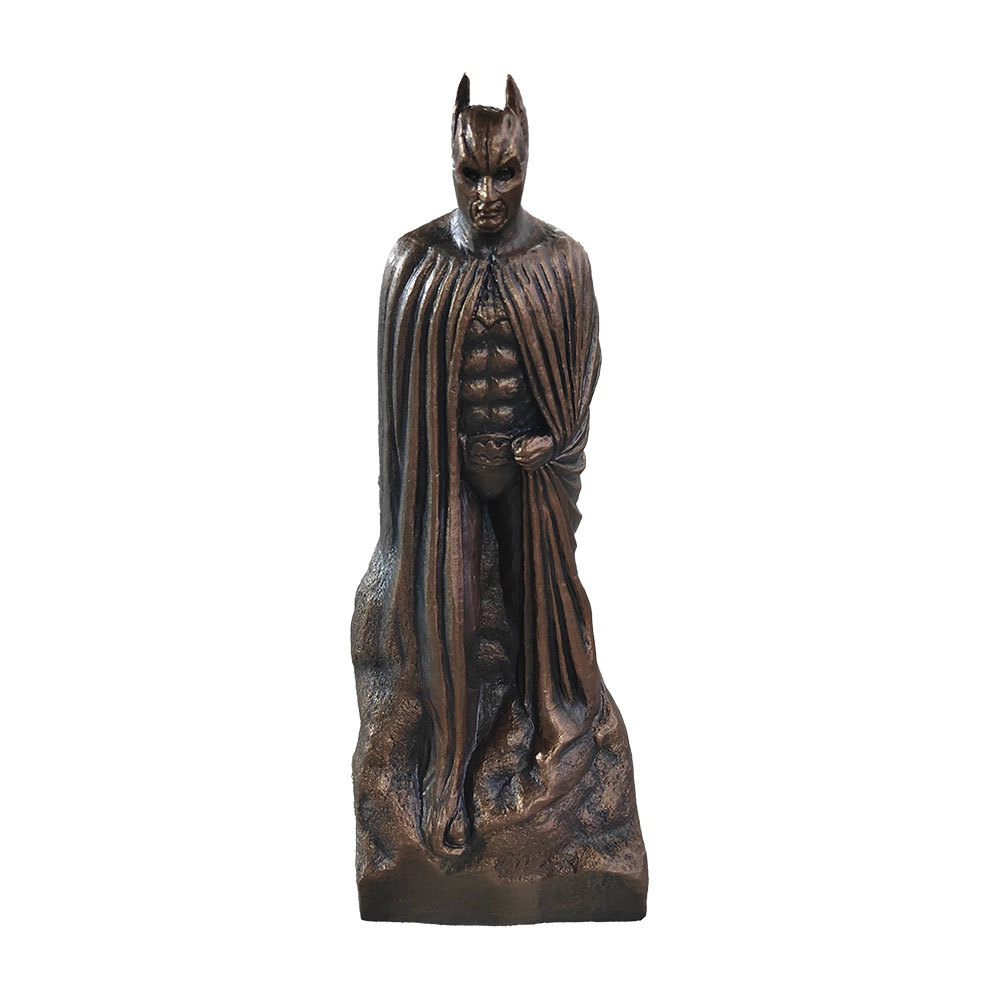
The Art and Craft of Bronze Sculpture: A Timeless Masterpiece
Bronze sculpture represents a unique fusion of art and metallurgy, making it one of the most revered forms of artistic expression throughout history. The process of creating bronze sculptures has evolved over thousands of years, with roots tracing back to ancient civilizations. Today, artists continue to utilize traditional techniques, offering both aesthetic beauty and structural integrity to the
2026/11/20

The Art and Technique of Creating Captivating Granite Sculptures
The Art and Technique of Creating Captivating Granite Sculptures
Table of Contents
Introduction to Granite Sculptures
Choosing the Right Granite for Sculpting
The Design Process: From Concept to Creation
Essential Tools and Techniques for Granite Sculpting
Step-by-Step Sculpting Process
Finishing Touches: Polishing and Sealing Your Sculpture
Caring for Your Granite Scu
2026/11/15

Understanding Memorial Headstones: A Comprehensive Guide for Professionals
Memorial Headstones are significant markers that serve as lasting tributes to dearly departed loved ones. In the realm of funeral and memorial services, understanding the various aspects of memorial headstones is crucial for professionals aiming to provide families with the best options for honoring their loved ones. This article delves into key considerations surrounding memorial headstones, incl
2026/11/10
Get a Quote Today
Looking for a trusted granite memorial supplier?