
The Art and Technique of Creating Captivating Granite Sculptures
2026-11-15 14:20
The Art and Technique of Creating Captivating Granite Sculptures
Table of Contents
- Introduction to Granite Sculptures
- Choosing the Right Granite for Sculpting
- The Design Process: From Concept to Creation
- Essential Tools and Techniques for Granite Sculpting
- Step-by-Step Sculpting Process
- Finishing Touches: Polishing and Sealing Your Sculpture
- Caring for Your Granite Sculptures
- Conclusion: The Enduring Beauty of Granite Sculptures
- Frequently Asked Questions
Introduction to Granite Sculptures
Granite sculptures are not just mere decorations; they are profound expressions of art that encapsulate the essence of creativity and craftsmanship. The process of crafting these stunning pieces requires not just technical skills but also an innate understanding of the material. Granite, with its unique textures and colors, provides an excellent medium for sculpting. This article will delve into the meticulous process involved in creating captivating granite sculptures, examining everything from the initial selection of the stone to the final finishing touches.
Choosing the Right Granite for Sculpting
The journey of creating a granite sculpture begins with the **selection of the right granite**. Granite is a natural stone composed mainly of quartz, feldspar, and mica. Each type of granite has its own unique characteristics, including color, texture, and density. When choosing granite for sculpture, several factors should be considered:
Understanding Granite Types
Granite comes in various colors and patterns, influenced by mineral content and formation processes. Common types include:
- **Black granite:** This type is known for its elegance and smooth finish, making it a popular choice for contemporary sculptures.
- **White or cream-colored granite:** Ideal for intricate designs, this type highlights details beautifully.
- **Colored granite:** Variations like pink or blue can add an artistic flair to sculptures.
Assessing Quality and Accessibility
It is crucial to assess the quality of granite. Look for stones with minimal fissures and consistent grain. Additionally, consider the accessibility of the stone; local suppliers can save costs and reduce the carbon footprint associated with transporting heavy materials.
The Design Process: From Concept to Creation
After selecting the perfect granite, the next step is the design process. This stage involves conceptualizing the sculpture and translating ideas into a tangible plan.
Sketching the Initial Concept
Begin by sketching your ideas. This visual representation will serve as a blueprint throughout the sculpting process. Consider the dimensions, proportions, and the overall message of the piece.
Creating a Scale Model
For more complex designs, creating a scale model out of clay or another malleable material can be beneficial. This model allows you to experiment with shapes and proportions before committing to the granite.
Essential Tools and Techniques for Granite Sculpting
Sculpting granite requires specialized tools and techniques due to its hardness. Familiarity with these tools is vital for achieving the desired results.
Basic Tools for Granite Sculpting
- **Point chisels:** Used for rough shaping, these chisels help in removing large chunks of stone.
- **Flat chisels:** Ideal for finishing surfaces, they create smooth finishes and detailed work.
- **Diamond blades:** Essential for cutting through granite, these blades can be attached to angle grinders or saws.
- **Hammer:** A sturdy hammer is necessary for delivering precise strikes on chisels.
Techniques for Sculpting Granite
- **Carving:** The most common technique involves gradually removing material to reveal the sculpture.
- **Rubbing:** This technique involves using abrasive pads to smooth surfaces and refine details.
- **Polishing:** Final touches are added using polishing pads to achieve a glossy finish.
Step-by-Step Sculpting Process
The sculpting process is an intricate dance of technique, timing, and creativity.
1. Preparing the Granite Block
Begin by securing the granite block. Ensure it is stable to avoid any accidents while working. Use a diamond saw to cut the block into manageable sections based on your design.
2. Rough Shaping
Using point chisels, start removing material to shape the basic outline of the sculpture. Focus on the main forms, working from the largest sections to smaller details.
3. Detailed Carving
Once the rough shape is established, switch to flat chisels for detailed work. This phase allows for the refinement of features, such as facial expressions or intricate patterns.
4. Polishing the Sculpture
After achieving the desired shape, it’s time to polish the sculpture. Start with coarse polishing pads and gradually move to finer ones, ensuring a smooth, reflective surface.
Finishing Touches: Polishing and Sealing Your Sculpture
The finishing touches can dramatically enhance the sculpture’s appearance and longevity.
Applying Sealants
Once polished, applying a granite sealer is essential. This protective layer shields the stone from stains and environmental damage while enhancing its color and shine.
Final Inspection
Before showcasing your sculpture, conduct a thorough inspection. Look for any imperfections or areas that need additional polishing.
Caring for Your Granite Sculptures
Maintaining granite sculptures is crucial for preserving their beauty and integrity over time. Regular care can prevent damage and discoloration.
Cleaning Techniques
Use a mild detergent mixed with warm water for cleaning. Avoid harsh chemicals that can erode the stone. A soft cloth or sponge is ideal for wiping down the surface.
Periodic Resealing
Depending on the environment, resealing your sculpture every couple of years can help maintain its appearance and durability.
Conclusion: The Enduring Beauty of Granite Sculptures
Crafting stunning granite sculptures is a labor of love that blends artistry with technical skill. Each piece tells a story, reflecting the creator's vision and the natural beauty of the stone itself. Whether you are an aspiring sculptor or an admirer of this timeless art form, understanding the intricate process involved in creating granite sculptures enhances appreciation for this exquisite craft. As we continue to explore new techniques and styles, the allure of granite sculptures will undoubtedly endure, captivating future generations.
Frequently Asked Questions
1. How long does it take to create a granite sculpture?
The time required varies greatly depending on the size and complexity of the sculpture. Simple pieces may take weeks, while intricate works can take several months.
2. What safety precautions should I take while sculpting granite?
Always wear safety goggles, dust masks, and ear protection when working with granite to protect yourself from dust and noise.
3. Can anyone learn to sculpt granite?
Yes, with practice and dedication, anyone can learn to sculpt granite. It requires patience, skill, and a willingness to learn.
4. What is the best way to transport granite sculptures?
Using a flatbed truck with proper padding is ideal for transporting large sculptures. Ensuring the sculpture is securely fastened is crucial to avoid damage during transit.
5. Are granite sculptures suitable for outdoor display?
Absolutely! Granite is highly durable and weather-resistant, making it an excellent choice for both indoor and outdoor displays. Proper sealing can enhance its longevity outdoors.
MORE NEWS

The Art and Craft of Bronze Sculpture: A Timeless Masterpiece
Bronze sculpture represents a unique fusion of art and metallurgy, making it one of the most revered forms of artistic expression throughout history. The process of creating bronze sculptures has evolved over thousands of years, with roots tracing back to ancient civilizations. Today, artists continue to utilize traditional techniques, offering both aesthetic beauty and structural integrity to the
2026/11/20

The Art and Technique of Creating Captivating Granite Sculptures
The Art and Technique of Creating Captivating Granite Sculptures
Table of Contents
Introduction to Granite Sculptures
Choosing the Right Granite for Sculpting
The Design Process: From Concept to Creation
Essential Tools and Techniques for Granite Sculpting
Step-by-Step Sculpting Process
Finishing Touches: Polishing and Sealing Your Sculpture
Caring for Your Granite Scu
2026/11/15
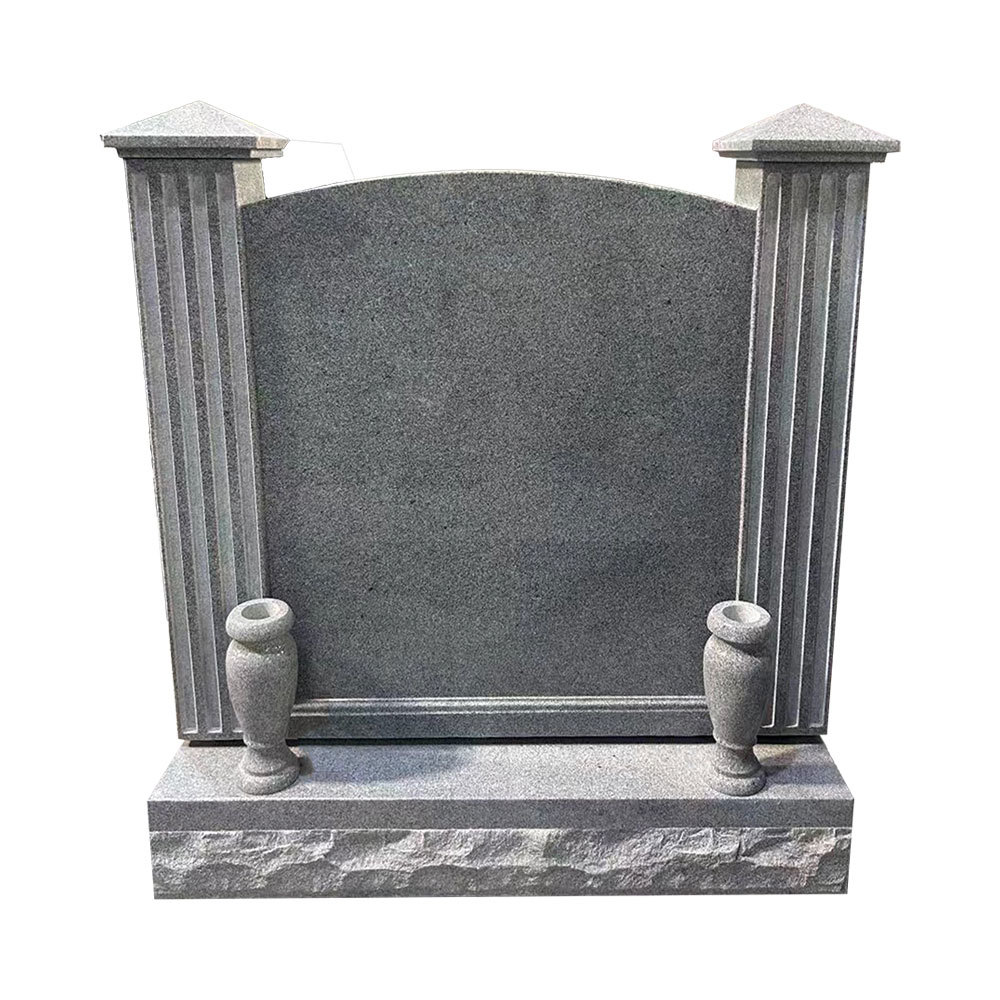
Understanding Memorial Headstones: A Comprehensive Guide for Professionals
Memorial Headstones are significant markers that serve as lasting tributes to dearly departed loved ones. In the realm of funeral and memorial services, understanding the various aspects of memorial headstones is crucial for professionals aiming to provide families with the best options for honoring their loved ones. This article delves into key considerations surrounding memorial headstones, incl
2026/11/10
Get a Quote Today
Looking for a trusted granite memorial supplier?