
Gravestones 101: A Comprehensive Guide to Commemorating Loved Ones
2025-11-08 13:10
Gravestones 101: A Comprehensive Guide to Commemorating Loved Ones
Table of Contents
- 1. Introduction to Gravestones
- 2. The Significance of Gravestones in Memorialization
- 3. Types of Gravestones: Finding the Right Fit
- 4. Materials Used in Gravestone Construction
- 5. Gravestone Design Options: Making It Personal
- 6. Customizing Your Gravestone: Adding a Personal Touch
- 7. Maintenance and Care for Gravestones
- 8. Legal Considerations When Choosing a Gravestone
- 9. Frequently Asked Questions
- 10. Conclusion
1. Introduction to Gravestones
Gravestones, also known as tombstones or headstones, serve not only as markers of where our loved ones rest but also as significant symbols of remembrance and respect. They hold a deep emotional value, serving as a tangible connection to our deceased relatives and friends. In this guide, we will delve into the many aspects of gravestones to help you understand their role in the grieving process and how to choose the perfect memorial tribute.
2. The Significance of Gravestones in Memorialization
The act of memorializing a loved one is a deeply personal journey. Gravestones play a pivotal role in this process. They are a physical representation of a person's life, achievements, and legacy. By choosing a gravestone, families create a space where they can gather, reflect, and remember.
2.1 Emotional Impact
Gravestones have a profound emotional impact on those left behind. They provide a designated place for mourning, allowing families to visit and pay their respects. A well-chosen gravestone offers comfort and a sense of connection to the deceased.
2.2 Cultural and Historical Importance
Gravestones also reflect cultural and historical significance. Different cultures have varying customs and traditions surrounding death and memorialization. Understanding these can help families choose a gravestone that aligns with their cultural values.
3. Types of Gravestones: Finding the Right Fit
When it comes to gravestones, there are several types to consider. Each type varies in design, size, and material, allowing families to choose one that best represents their loved one.
3.1 Flat Gravestones
Flat gravestones, or plaques, sit flush with the ground. They are often used in cemeteries where space is limited. These gravestones can feature intricate designs or simple engravings.
3.2 Upright Gravestones
Upright gravestones are more traditional and stand vertically. They provide a prominent display for inscriptions and can be customized with various designs and shapes.
3.3 Ledger Stones
Ledger stones cover the entire grave and serve as both a gravestone and a marker. This type is often used in larger memorial areas or family plots.
3.4 Crosses and Religious Symbols
For those who wish to incorporate religious elements, crosses and other symbols can be added to gravestones. These symbols can reflect the deceased's faith and beliefs, adding a deeper personal touch.
4. Materials Used in Gravestone Construction
The choice of material for a gravestone significantly affects its durability and aesthetic appeal. Common materials include:
4.1 Granite
Granite is one of the most popular choices due to its durability and resistance to weathering. Available in various colors and finishes, granite gravestones can be customized to reflect personal styles.
4.2 Marble
Marble offers a classic and elegant look. However, it is less durable than granite and can be more susceptible to wear over time.
4.3 Bronze
Bronze is often used for plaques and accents on gravestones. Its timeless appeal and resistance to corrosion make it a popular choice for inscriptions.
5. Gravestone Design Options: Making It Personal
Designing a gravestone is an opportunity to celebrate the life of a loved one. There are countless options available to help families create a unique memorial.
5.1 Engravings and Inscriptions
Engravings can include names, dates, quotes, or personal messages. Choosing the right words is essential, as they will capture the essence of the individual.
5.2 Artwork and Symbols
Incorporating artwork, such as flowers, angels, or personal symbols, can enhance the gravestone’s design. These elements can reflect the deceased's hobbies, passions, or beliefs.
5.3 Color and Finish Options
The color and finish of the gravestone can significantly impact its visual appeal. Families can choose between polished, honed, or sandblasted finishes to create the desired look.
6. Customizing Your Gravestone: Adding a Personal Touch
Customization is where families can truly honor their loved ones. Options for personalization include:
6.1 Unique Shapes
Instead of opting for traditional shapes, consider customizing the gravestone into a unique form that reflects the individuality of the deceased.
6.2 Incorporating Personal Items
Some families choose to include personal items, such as photographs or engraved items, that represent their loved one's life and interests.
6.3 Special Features
Advanced features like QR codes linking to an online memorial page or augmented reality elements can also be integrated, providing an interactive experience for visitors.
7. Maintenance and Care for Gravestones
Caring for a gravestone is essential to preserve its condition and appearance over time.
7.1 Regular Cleaning
Dust, dirt, and moss can accumulate on gravestones. Regular cleaning with gentle soap and water can help maintain their appearance.
7.2 Professional Restoration
For older or damaged gravestones, professional restoration services can help repair and restore them to their original condition. This may include cleaning, re-engraving, or even replacing damaged sections.
7.3 Seasonal Considerations
Seasonal weather changes can affect gravestones. It’s important to inspect them regularly and address any issues like cracks or chips that may develop due to harsh weather conditions.
8. Legal Considerations When Choosing a Gravestone
Before purchasing a gravestone, it’s crucial to be aware of any legal regulations that may apply.
8.1 Cemetery Regulations
Different cemeteries have specific rules regarding gravestone sizes, materials, and designs. Always check with the cemetery management before making a purchase.
8.2 Ownership and Rights
Understanding ownership rights is essential. Family members need to be aware of who holds the rights to the grave plot and gravestone, especially when it comes to future modifications or removals.
9. Frequently Asked Questions
9.1 How much does a gravestone typically cost?
The cost of a gravestone varies widely based on factors such as material, size, and customization options. On average, prices can range from $1,000 to over $5,000.
9.2 How long does it take to install a gravestone?
The installation process can take anywhere from a few weeks to several months, depending on the type of gravestone and the cemetery's regulations.
9.3 Can I design my own gravestone?
Yes! Many memorial retailers offer customizable options, allowing families to create a gravestone that truly reflects their loved one’s personality.
9.4 What are the most common materials for gravestones?
Granite, marble, and bronze are the most commonly used materials for gravestones due to their durability and aesthetic appeal.
9.5 How can I ensure my loved one’s gravestone is maintained?
Regular cleaning, professional restoration services, and seasonal checks can help maintain a gravestone's condition over time.
10. Conclusion
Choosing a gravestone is a profound way to honor and commemorate a loved one. By understanding the various types, materials, and customization options available, families can create a meaningful memorial that truly represents the individual’s life and legacy. Whether it’s a simple flat stone or an elaborate upright monument, the gravestone will serve as a lasting tribute, allowing friends and family to gather and remember the special moments shared.
MORE NEWS
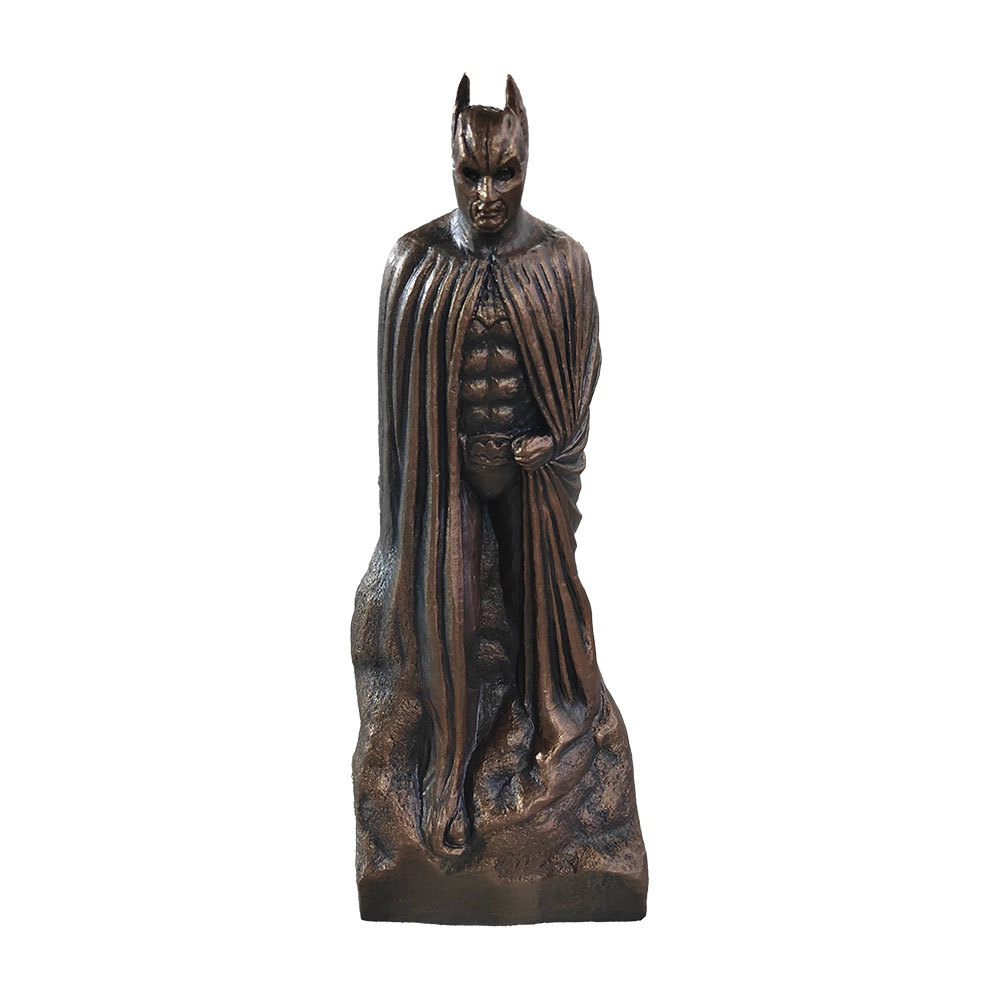
The Art and Craft of Bronze Sculpture: A Timeless Masterpiece
Bronze sculpture represents a unique fusion of art and metallurgy, making it one of the most revered forms of artistic expression throughout history. The process of creating bronze sculptures has evolved over thousands of years, with roots tracing back to ancient civilizations. Today, artists continue to utilize traditional techniques, offering both aesthetic beauty and structural integrity to the
2026/11/20

The Art and Technique of Creating Captivating Granite Sculptures
The Art and Technique of Creating Captivating Granite Sculptures
Table of Contents
Introduction to Granite Sculptures
Choosing the Right Granite for Sculpting
The Design Process: From Concept to Creation
Essential Tools and Techniques for Granite Sculpting
Step-by-Step Sculpting Process
Finishing Touches: Polishing and Sealing Your Sculpture
Caring for Your Granite Scu
2026/11/15

Understanding Memorial Headstones: A Comprehensive Guide for Professionals
Memorial Headstones are significant markers that serve as lasting tributes to dearly departed loved ones. In the realm of funeral and memorial services, understanding the various aspects of memorial headstones is crucial for professionals aiming to provide families with the best options for honoring their loved ones. This article delves into key considerations surrounding memorial headstones, incl
2026/11/10
Get a Quote Today
Looking for a trusted granite memorial supplier?