
The Art of Crafting Unique Tombstones: A Comprehensive Guide
2025-11-12 13:20
The Art of Crafting Unique Tombstones: A Comprehensive Guide
Table of Contents
- 1. Introduction to Unique Tombstones
- 2. The History of Tombstone Crafting
- 3. Materials Used in Crafting Tombstones
- 3.1. Granite: The Durable Choice
- 3.2. Marble: Elegance and Beauty
- 3.3. Limestone: A Soft Touch
- 3.4. Bronze: A Lasting Impression
- 4. Key Design Elements of Unique Tombstones
- 4.1. Exploring Different Shapes
- 4.2. Symbolism in Tombstone Design
- 4.3. Crafting Meaningful Inscriptions
- 5. Personalizing Your Tombstone
- 6. Cultural Influences on Tombstone Design
- 7. Maintaining Your Tombstone
- 8. Frequently Asked Questions
- 9. Conclusion
1. Introduction to Unique Tombstones
Crafting unique tombstones is an art that intertwines creativity, cultural significance, and personal expression. Each tombstone serves as a final tribute to a loved one, encapsulating their essence in stone. This guide delves into the various aspects of tombstone design, from selecting the right materials to incorporating meaningful symbols and inscriptions.
2. The History of Tombstone Crafting
Tombstones have existed for millennia, evolving in style and significance over time. Ancient civilizations carved simple markers as a means to honor the deceased, often using locally available materials. The evolution of tombstone craftsmanship reflects changes in artistic expression, cultural beliefs, and technological advancements. Understanding this history enriches the design process, allowing for a deeper connection to the art of memorialization.
3. Materials Used in Crafting Tombstones
The choice of material is crucial in tombstone crafting, affecting not only aesthetics but also durability and maintenance. Here are some prevalent materials used in crafting unique tombstones:
3.1. Granite: The Durable Choice
Granite stands out as one of the most popular choices for tombstones due to its **durability** and resistance to weathering. Available in a variety of colors, granite can be polished to a high sheen or left with a more natural finish. Its hardness allows for intricate carvings and detailed inscriptions, making it an ideal choice for families looking to create a lasting memorial.
3.2. Marble: Elegance and Beauty
Marble is renowned for its **elegance** and is often chosen for its classic beauty. While not as durable as granite, marble offers a timeless appeal. Its soft texture allows for detailed engravings, and it can be finished in various styles, from polished to honed. Marble tombstones often evoke a sense of tradition and reverence.
3.3. Limestone: A Soft Touch
Limestone is a softer stone, which can be easier to carve, allowing for more intricate designs. While it may not withstand harsh weather as well as granite or marble, limestone provides a rustic charm that some families prefer. Its natural colors and textures can create a peaceful, serene appearance.
3.4. Bronze: A Lasting Impression
Bronze is often used in conjunction with stone or as a standalone material for tombstones. Its metallic sheen and ability to withstand the elements make it an appealing choice. Bronze plaques can be integrated into stone tombstones, and their rich appearance adds a touch of sophistication.
4. Key Design Elements of Unique Tombstones
Designing a unique tombstone involves various elements that contribute to its overall impact. Here are some critical aspects to consider:
4.1. Exploring Different Shapes
The shape of a tombstone can significantly influence its visual appeal. Traditional shapes include upright headstones, flat markers, and obelisks. However, many families opt for custom shapes that reflect the personality of the deceased, such as hearts, crosses, or even symbolic representations of their hobbies and passions.
4.2. Symbolism in Tombstone Design
Incorporating **symbolism** into tombstone design can add layers of meaning. Common symbols include angels, doves, and flowers, each representing different emotions and beliefs about mortality. Families may choose symbols that resonate with their loved one’s life philosophy, faith, or interests, making the tombstone a true reflection of their spirit.
4.3. Crafting Meaningful Inscriptions
Inscriptions are a vital component of tombstone design. They often include the deceased’s name, birth and death dates, and a personal message or quote. Crafting a meaningful inscription involves choosing the right words that encapsulate the essence of the individual. Families may opt for poetry, religious texts, or personal anecdotes that reflect the person’s life and legacy.
5. Personalizing Your Tombstone
Personalization is key to creating a unique tombstone. This can include adding personal items, photographs, or distinctive designs that tell a story about the deceased. Engraving hobbies, favorite flowers, or significant dates can make the tombstone a more personal tribute. The aim is to create a memorial that resonates with visitors and honors the individual’s memory.
6. Cultural Influences on Tombstone Design
Different cultures have unique practices and beliefs surrounding death and memorialization. Understanding these cultural influences can enrich the design process and ensure that the tombstone respects the traditions of the deceased’s heritage. For instance, some cultures incorporate specific symbols, materials, or colors that hold particular significance, guiding the crafting of a meaningful tribute.
7. Maintaining Your Tombstone
After investing time and resources into crafting a unique tombstone, proper maintenance is essential to ensure its longevity. Regular cleaning and inspections can help prevent deterioration from weather elements. Depending on the material, different care techniques may be required; for example, granite can be cleaned with mild soap and water, while marble may need specific cleaners to avoid damage. Taking care of the tombstone not only preserves its beauty but also honors the memory of the loved one.
8. Frequently Asked Questions
**Q1: What is the typical cost of crafting a unique tombstone?**
Crafting a unique tombstone can vary significantly in cost depending on materials, size, and complexity of the design. On average, families can expect to spend anywhere from $1,000 to $3,000 or more.
**Q2: How long does it take to design and install a tombstone?**
The process of designing and installing a tombstone typically takes 6 to 8 weeks, although this can vary based on the craftsmanship required and the scheduling of installation.
**Q3: Can I include personal items with the tombstone?**
Yes, many families choose to include personal items or decorative elements around the tombstone. However, it's essential to check with cemetery regulations regarding acceptable items.
**Q4: What are the most popular inscriptions for tombstones?**
Popular inscriptions often include loving phrases, quotes from literature, or religious texts. Families may opt for short, impactful messages that encapsulate their loved one’s spirit.
**Q5: How can I ensure my tombstone is environmentally friendly?**
Choose sustainable materials, such as recycled stone or eco-friendly finishes. Opting for natural designs that blend with the environment can also enhance the eco-friendliness of the memorial.
9. Conclusion
The art of crafting unique tombstones is a profound undertaking that requires thoughtful consideration of materials, design elements, and personal touches. By understanding the history, exploring various materials, and incorporating meaningful symbols and inscriptions, families can create lasting tributes that truly honor the lives of their loved ones. Whether through the durability of granite or the elegance of marble, each tombstone stands as a testament to the individuality of those we cherish. Embrace the process, and let your creativity shine as you craft a unique memorial that reflects the beautiful essence of a life well-lived.
MORE NEWS
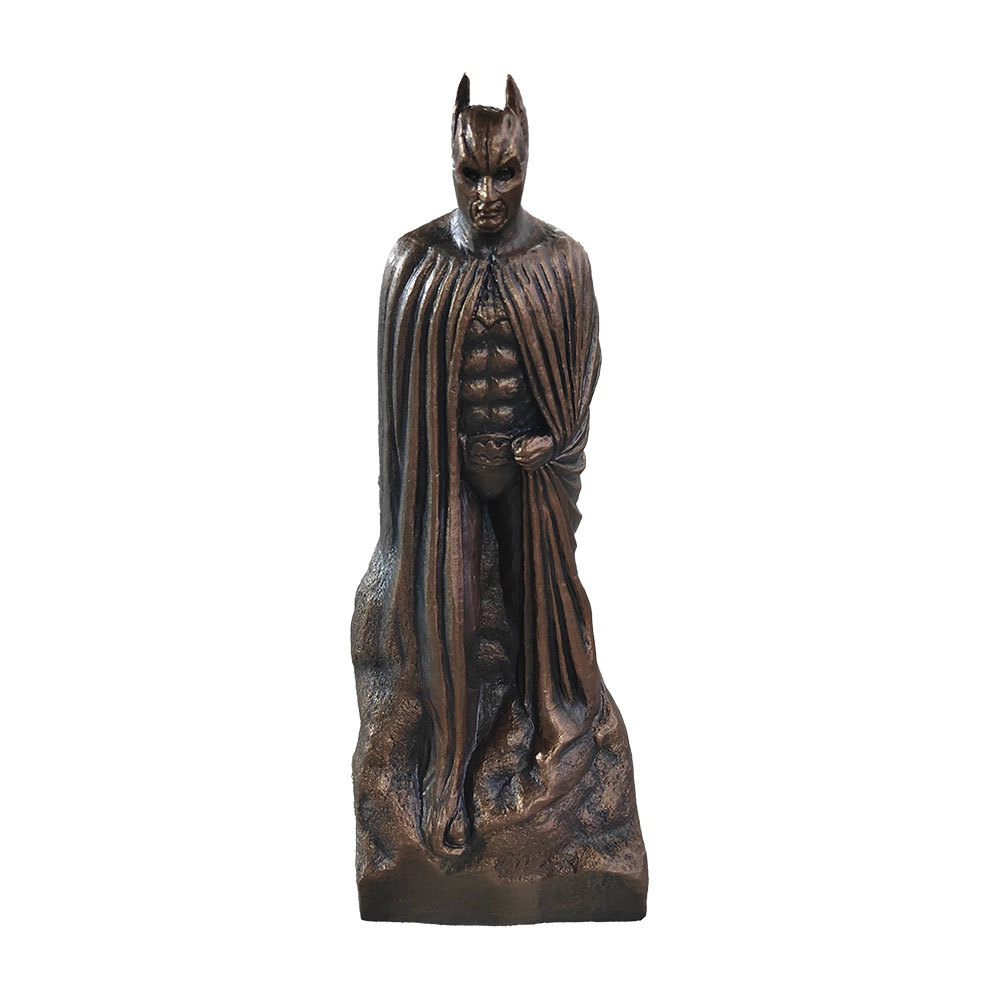
The Art and Craft of Bronze Sculpture: A Timeless Masterpiece
Bronze sculpture represents a unique fusion of art and metallurgy, making it one of the most revered forms of artistic expression throughout history. The process of creating bronze sculptures has evolved over thousands of years, with roots tracing back to ancient civilizations. Today, artists continue to utilize traditional techniques, offering both aesthetic beauty and structural integrity to the
2026/11/20

The Art and Technique of Creating Captivating Granite Sculptures
The Art and Technique of Creating Captivating Granite Sculptures
Table of Contents
Introduction to Granite Sculptures
Choosing the Right Granite for Sculpting
The Design Process: From Concept to Creation
Essential Tools and Techniques for Granite Sculpting
Step-by-Step Sculpting Process
Finishing Touches: Polishing and Sealing Your Sculpture
Caring for Your Granite Scu
2026/11/15

Understanding Memorial Headstones: A Comprehensive Guide for Professionals
Memorial Headstones are significant markers that serve as lasting tributes to dearly departed loved ones. In the realm of funeral and memorial services, understanding the various aspects of memorial headstones is crucial for professionals aiming to provide families with the best options for honoring their loved ones. This article delves into key considerations surrounding memorial headstones, incl
2026/11/10
Get a Quote Today
Looking for a trusted granite memorial supplier?