
The Significance of Tombstones in Honoring Loved Ones
2025-11-17 16:10
Tombstones, often referred to as grave markers, are an integral part of memorialization in the realm of funerary arts. They serve not only as physical markers of a burial site but also as poignant reminders of the lives and stories of those who have passed away. Understanding the various aspects of tombstones can provide valuable insights for families looking to honor their loved ones meaningfully.
The primary function of a tombstone is to commemorate the deceased, providing visitors with a tangible connection to the person who has passed. Traditionally, tombstones are inscribed with the name, birth date, and death date of the individual. However, many families choose to include personalized messages, symbols, or artwork that reflect the personality, interests, or achievements of their loved ones. This customization adds a unique touch to the tombstone, turning it into a celebration of life rather than merely a marker of death.
Tombstones come in a variety of materials, each with its own unique properties and aesthetic appeal. Common materials include granite, marble, and limestone. Granite is favored for its durability and resistance to weathering, making it a practical choice for outdoor use. Marble, while beautiful and elegant, may require more maintenance, as it can be more susceptible to wear over time. Limestone offers a different texture and warmth, often used in regions where it is locally available. Understanding the characteristics of these materials can help families choose the best option for their memorial needs.
Culturally, tombstones can vary significantly in design and symbolism. In some cultures, tombstones may feature intricate carvings or religious symbols that reflect the beliefs of the deceased and their family. For instance, in many Western cultures, crosses are commonly used, while in other traditions, tombstones may be adorned with motifs from nature, such as flowers or trees, symbolizing life and rebirth. It’s essential to consider cultural practices and personal preferences when selecting a tombstone, as these elements contribute to the overall significance of the memorial.
In addition to their physical attributes, tombstones can also be part of larger memorial practices. Many families visit the gravesites of their loved ones on significant dates, such as anniversaries or holidays, to pay their respects. The presence of a well-maintained tombstone can provide a sense of comfort and connection during these visits, allowing family and friends to remember and celebrate the life of the deceased.
In conclusion, tombstones play a vital role in the process of remembrance and commemoration. They not only mark the final resting place of loved ones but also serve as a canvas for personal expression and cultural significance. By understanding the various aspects of tombstones, families can create lasting tributes that honor the lives and legacies of those they cherish.
MORE NEWS
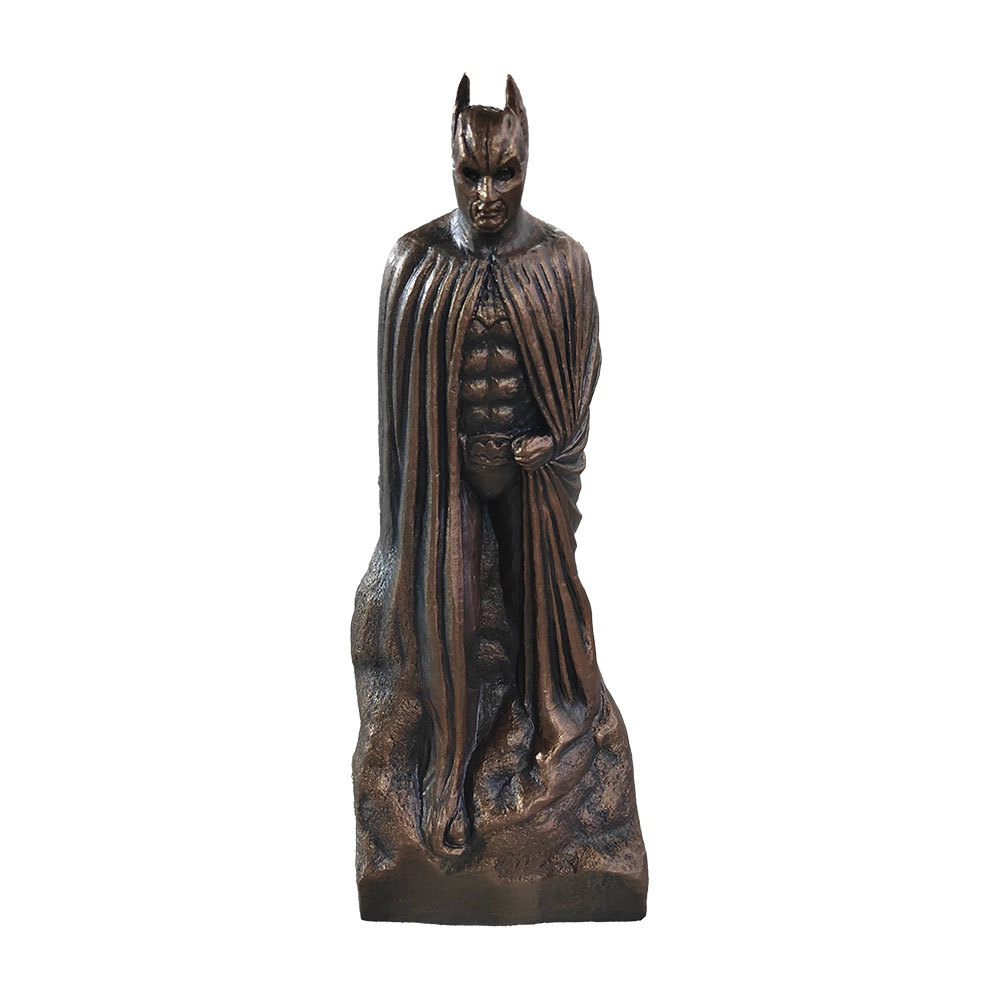
The Art and Craft of Bronze Sculpture: A Timeless Masterpiece
Bronze sculpture represents a unique fusion of art and metallurgy, making it one of the most revered forms of artistic expression throughout history. The process of creating bronze sculptures has evolved over thousands of years, with roots tracing back to ancient civilizations. Today, artists continue to utilize traditional techniques, offering both aesthetic beauty and structural integrity to the
2026/11/20

The Art and Technique of Creating Captivating Granite Sculptures
The Art and Technique of Creating Captivating Granite Sculptures
Table of Contents
Introduction to Granite Sculptures
Choosing the Right Granite for Sculpting
The Design Process: From Concept to Creation
Essential Tools and Techniques for Granite Sculpting
Step-by-Step Sculpting Process
Finishing Touches: Polishing and Sealing Your Sculpture
Caring for Your Granite Scu
2026/11/15

Understanding Memorial Headstones: A Comprehensive Guide for Professionals
Memorial Headstones are significant markers that serve as lasting tributes to dearly departed loved ones. In the realm of funeral and memorial services, understanding the various aspects of memorial headstones is crucial for professionals aiming to provide families with the best options for honoring their loved ones. This article delves into key considerations surrounding memorial headstones, incl
2026/11/10
Get a Quote Today
Looking for a trusted granite memorial supplier?