The Role of Technology in Designing Custom Granite Monuments
2025-11-20 15:00
The Role of Technology in Designing Custom Granite Monuments
Introduction to Custom Granite Monument Design
In the realm of memorialization, granite monuments serve as lasting tributes to our loved ones. Traditionally, the process of designing and crafting these monuments relied heavily on manual techniques and artistry. However, with the rise of technology, the landscape of custom granite monument design has undergone a significant transformation. This article explores how various technological advancements are enhancing the design process, ensuring that each monument is a unique reflection of the individual being honored.
The Shift from Traditional to Technological Methods
Understanding Traditional Methods
Historically, creating granite monuments involved skilled artisans who painstakingly carved stone by hand. This labor-intensive process required years of training and experience, leading to significant variations in quality and design. While traditional craftsmanship remains valuable, the demand for more personalized memorials has pushed the industry to explore modern techniques.
Introduction of Computer-Aided Design (CAD)
One of the most significant advancements in monument design is the introduction of Computer-Aided Design (CAD) software. This technology allows designers to create intricate and precise designs on a computer, providing a clear visualization of the final product before any physical work begins. CAD software not only enhances accuracy but also enables the incorporation of complex elements that would be challenging to achieve through manual carving.
Benefits of CAD in Monument Design
- **Precision**: CAD software ensures that every dimension of the granite monument is accurately represented, reducing the risk of errors.
- **Customization**: Designers can easily alter designs based on client feedback, making the customization process more efficient.
- **Visualization**: Clients can see 3D models of their monuments, helping them to make informed decisions about the final design.
The Emergence of Digital Tools in Monument Creation
3D Printing and Prototyping
3D printing technology has made significant strides in various industries, and granite monument design is no exception. By using 3D printers, designers can create prototypes of monuments in resin or other materials before committing to the final granite version. This approach allows for greater experimentation in design, ensuring that clients are satisfied with the final product.
Advantages of 3D Printing in Monument Design
- **Cost-Effective**: Creating prototypes reduces material waste and production costs, allowing for more budget-friendly options.
- **Speed**: Rapid prototyping accelerates the design process, enabling quicker turnaround times for clients.
- **Enhanced Creativity**: Designers are free to explore innovative shapes and designs without the constraints of traditional methods.
Laser Engraving Technology
Laser engraving has revolutionized the way we create intricate designs on granite. This technology utilizes high-powered lasers to etch detailed images, text, and patterns onto the stone's surface. The precision of laser engraving ensures that even the most delicate designs can be replicated flawlessly.
Benefits of Laser Engraving in Custom Monuments
- **Detail**: Laser engraving captures fine details that would be impossible to achieve with hand carving.
- **Durability**: The engraved designs are resistant to weathering and can withstand the test of time, ensuring that memorials remain beautiful for years.
- **Versatility**: Laser engraving can be used on various materials, allowing for more creative combinations in monument design.
The Role of Artificial Intelligence in Monument Design
AI-Powered Design Assistance
Artificial Intelligence (AI) is making waves in various fields, including monument design. AI technologies can analyze client preferences, historical design trends, and even emotional elements to propose design options that resonate deeply with clients.
How AI Enhances Design Customization
- **Personalization**: AI can recommend designs based on user input, making the selection process more intuitive for clients.
- **Trend Analysis**: By analyzing market trends, AI can help designers stay ahead of the curve, offering fresh ideas that appeal to contemporary tastes.
- **Efficiency**: AI streamlines the design process, reducing the time taken to conceptualize and finalize designs.
The Importance of Virtual Reality (VR) in Monument Design
Immersive Design Experiences
Virtual Reality (VR) technology is emerging as a groundbreaking tool in the custom granite monument industry. By utilizing VR, clients can immerse themselves in a virtual environment where they can explore and interact with their monument design before it is physically created.
Benefits of Utilizing VR in Design
- **Engagement**: Clients can visualize the monument in a realistic setting, enhancing engagement and satisfaction.
- **Feedback Loop**: Using VR, clients can provide immediate feedback, leading to quicker adjustments and refinements.
- **Emotional Connection**: Immersive experiences help clients connect emotionally with the design, ensuring that the final product truly honors their loved ones.
Integrating Eco-Friendly Practices with Technology
Using Sustainable Materials
As environmental concerns grow, the granite monument industry is looking toward sustainable practices. Technology plays a crucial role in sourcing eco-friendly materials and reducing waste during the design and manufacturing processes.
Advantages of Sustainable Practices in Monument Design
- **Reduced Carbon Footprint**: Eco-friendly materials and sustainable practices contribute to a lower environmental impact.
- **Client Appeal**: More clients are seeking eco-conscious options, making sustainability a competitive edge.
- **Longevity**: Sustainable materials often enhance the durability of the monuments, ensuring they last longer.
Case Studies: Successful Technology-Driven Monument Designs
Innovative Designs That Stand Out
Several companies have successfully integrated technology into their custom granite monument designs, yielding exceptional results. By examining these case studies, we can understand how technology enhances creativity and client satisfaction.
Case Study 1: XYZ Monuments
XYZ Monuments utilized CAD and laser engraving technology to create a stunning, personalized monument that featured intricate family trees and quotes. The use of advanced technology enabled the designers to work closely with the client, resulting in a unique piece that truly reflected the family's legacy.
Case Study 2: ABC Memorials
ABC Memorials adopted VR technology to allow clients to explore their designs in a virtual setting. This innovative approach not only improved client satisfaction but also streamlined the design process, resulting in quicker approvals and enhanced creativity.
Frequently Asked Questions (FAQs)
1. What types of technology are used in granite monument design?
The primary technologies used include Computer-Aided Design (CAD), 3D printing, laser engraving, Artificial Intelligence (AI), and Virtual Reality (VR).
2. How does CAD improve the design process for monuments?
CAD enhances precision, customization, and visualization, allowing for more accurate and detailed designs that meet client expectations.
3. What are the benefits of using laser engraving for granite monuments?
Laser engraving allows for fine details, durability against weathering, and versatility in design.
4. Can AI assist in creating personalized designs for granite monuments?
Yes, AI can analyze client preferences and historical trends to propose personalized design options.
5. How does VR enhance the client experience in monument design?
VR allows clients to immerse themselves in a virtual environment to explore and interact with their monument design, leading to greater engagement and satisfaction.
Conclusion
The integration of technology in designing custom granite monuments is reshaping the industry, offering unprecedented levels of customization and precision. From CAD and 3D printing to laser engraving and VR, these advancements not only enhance the design process but also ensure that each monument is a meaningful tribute to those we cherish. As technology continues to evolve, so too will the possibilities for creating unique and lasting memorials that honor our loved ones in ways that reflect their individuality and legacy. Embracing these innovations allows us to combine artistry with technology, ultimately enriching the experience of memorialization.
MORE NEWS
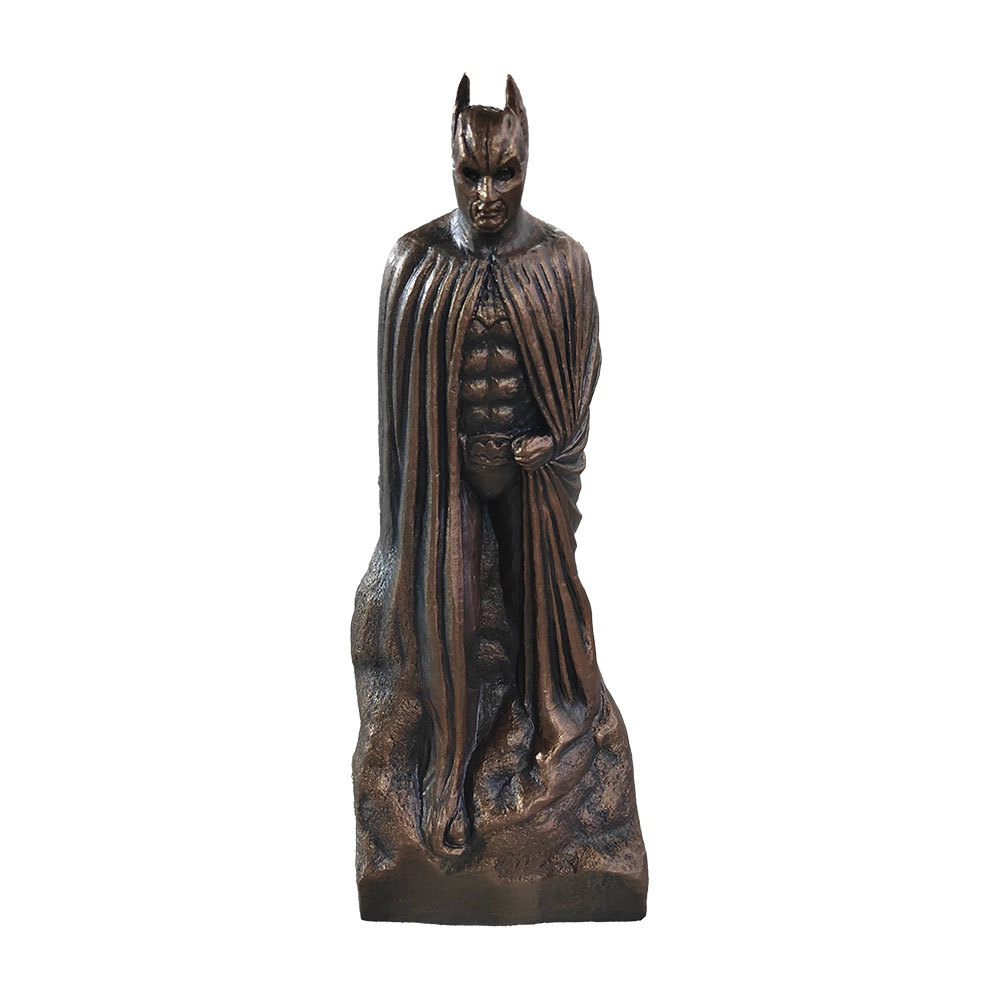
The Art and Craft of Bronze Sculpture: A Timeless Masterpiece
Bronze sculpture represents a unique fusion of art and metallurgy, making it one of the most revered forms of artistic expression throughout history. The process of creating bronze sculptures has evolved over thousands of years, with roots tracing back to ancient civilizations. Today, artists continue to utilize traditional techniques, offering both aesthetic beauty and structural integrity to the
2026/11/20

The Art and Technique of Creating Captivating Granite Sculptures
The Art and Technique of Creating Captivating Granite Sculptures
Table of Contents
Introduction to Granite Sculptures
Choosing the Right Granite for Sculpting
The Design Process: From Concept to Creation
Essential Tools and Techniques for Granite Sculpting
Step-by-Step Sculpting Process
Finishing Touches: Polishing and Sealing Your Sculpture
Caring for Your Granite Scu
2026/11/15
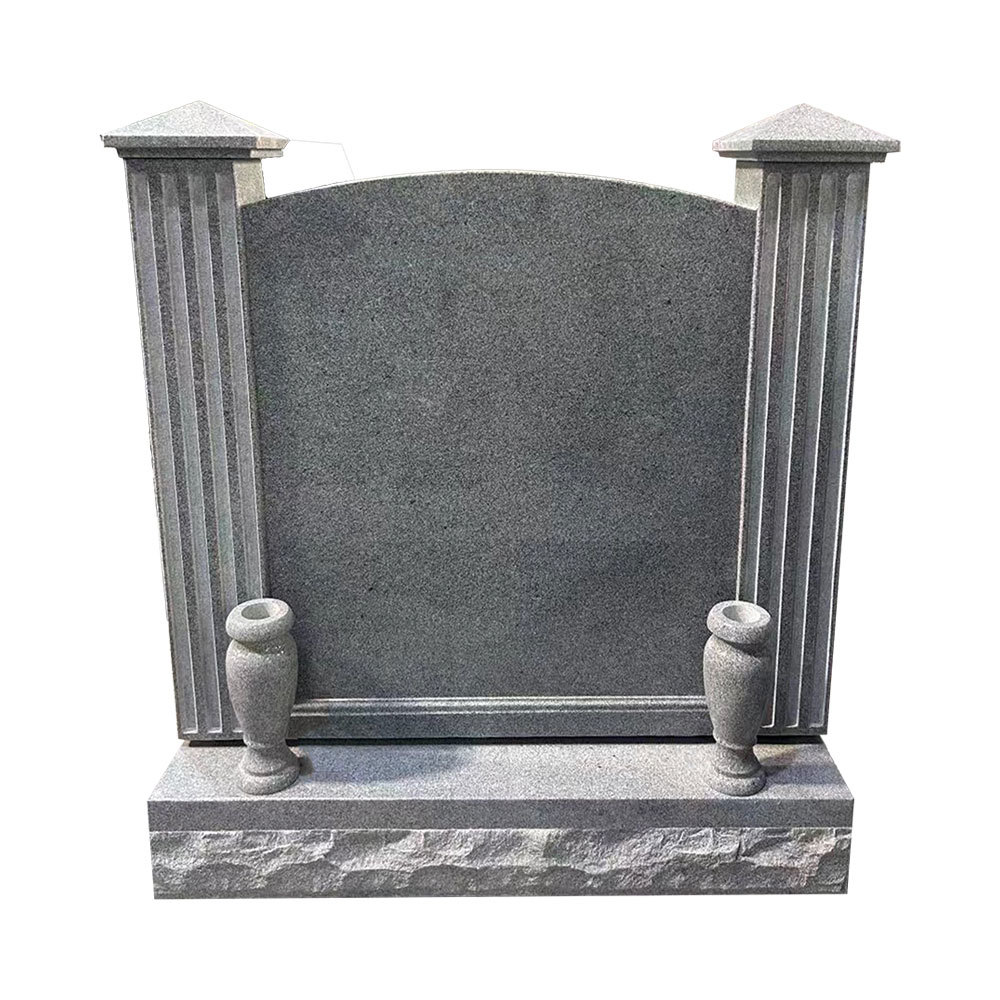
Understanding Memorial Headstones: A Comprehensive Guide for Professionals
Memorial Headstones are significant markers that serve as lasting tributes to dearly departed loved ones. In the realm of funeral and memorial services, understanding the various aspects of memorial headstones is crucial for professionals aiming to provide families with the best options for honoring their loved ones. This article delves into key considerations surrounding memorial headstones, incl
2026/11/10
Get a Quote Today
Looking for a trusted granite memorial supplier?