
Understanding Tombstones: A Comprehensive Guide for Professionals in the Funeral Industry
2025-11-27 13:30
Tombstones, also known as gravestones or headstones, serve as a lasting tribute to loved ones who have passed away. They not only mark the final resting place but also commemorate the individual's life, providing a space for remembrance and reflection for family and friends. In the realm of funeral services and memorials, understanding the various aspects of tombstones is crucial for professionals who aim to offer meaningful support to grieving families.
When selecting a tombstone, several factors come into play. The material is perhaps one of the most important considerations. Common choices include granite, marble, and limestone, each offering unique aesthetic qualities and durability. Granite, for instance, is popular due to its resilience to weather elements and available variety of colors, while marble is often chosen for its elegance and classic appearance. Limestone, on the other hand, provides a softer and more natural look but may require more maintenance over time.
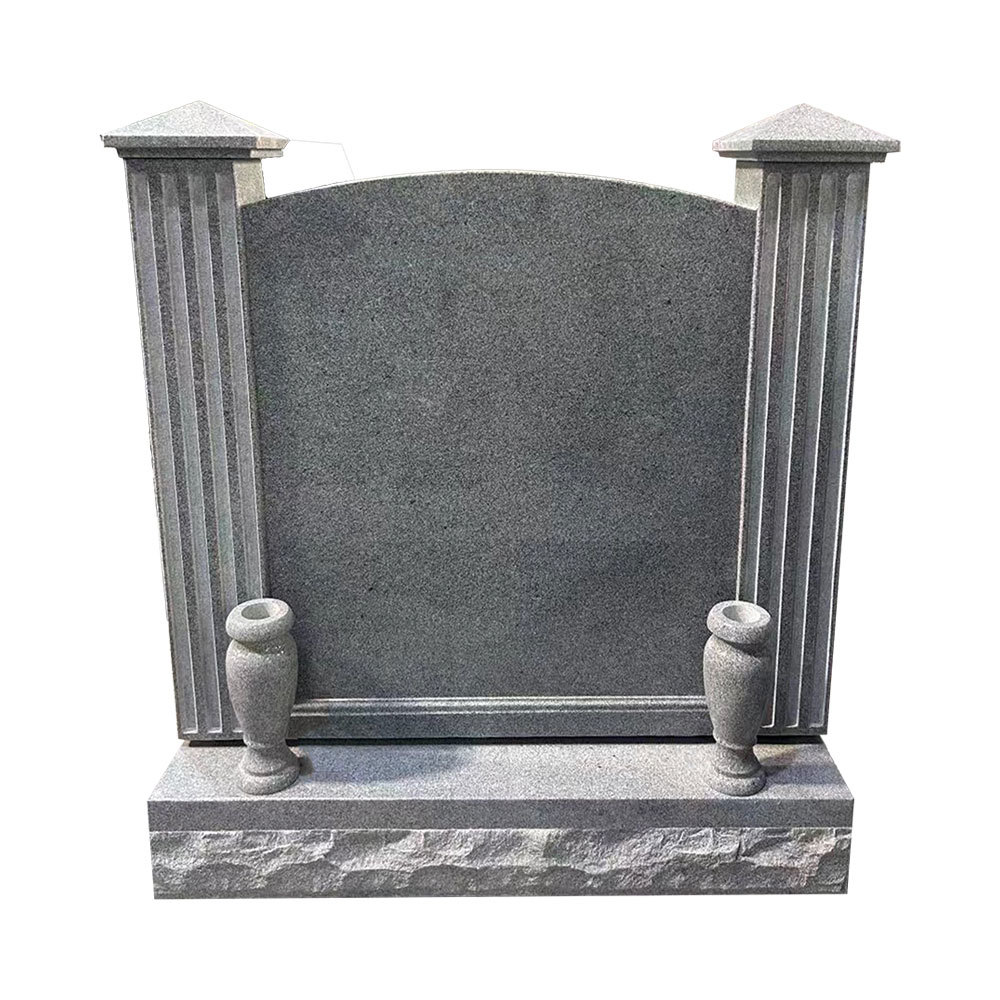
Design is another critical element when it comes to tombstones. Professionals should discuss with families the various design options available, including shapes, sizes, and engravings. Traditional upright headstones, flat markers, and even unique custom designs allow for personalization that reflects the deceased's personality or life story. Incorporating symbols, quotes, or images can further enhance the emotional connection and serve as a conversation starter for visitors.
In addition to physical attributes, the placement of a tombstone is essential. Understanding cemetery regulations and guidelines is vital to ensure compliance and proper installation. Placement can affect visibility, accessibility, and even the overall aesthetic of the memorial site. Professionals should be knowledgeable about these regulations to guide families effectively in making informed decisions.
Moreover, it’s essential to discuss maintenance options with clients. Tombstones require periodic upkeep to ensure they remain in good condition. This includes cleaning, repairing any damage, and ensuring that inscriptions remain legible over time. Educating families on these maintenance aspects can help them preserve the memory of their loved ones.
Lastly, creating a respectful and supportive environment for families choosing a tombstone is imperative. There may be emotional challenges as individuals reflect on their loss during this process. Offering compassion, understanding, and patience can significantly enhance the experience for grieving families, helping them navigate through their choices with a sense of ease.
In conclusion, tombstones play a significant role in the memorialization process for the deceased. As professionals in the funeral industry, understanding the various materials, design options, placement considerations, and maintenance needs is essential in providing excellent service. By equipping yourself with this knowledge, you can better assist families in creating lasting tributes that honor their loved ones.
MORE NEWS

The Art and Craft of Bronze Sculpture: A Timeless Masterpiece
Bronze sculpture represents a unique fusion of art and metallurgy, making it one of the most revered forms of artistic expression throughout history. The process of creating bronze sculptures has evolved over thousands of years, with roots tracing back to ancient civilizations. Today, artists continue to utilize traditional techniques, offering both aesthetic beauty and structural integrity to the
2026/11/20

The Art and Technique of Creating Captivating Granite Sculptures
The Art and Technique of Creating Captivating Granite Sculptures
Table of Contents
Introduction to Granite Sculptures
Choosing the Right Granite for Sculpting
The Design Process: From Concept to Creation
Essential Tools and Techniques for Granite Sculpting
Step-by-Step Sculpting Process
Finishing Touches: Polishing and Sealing Your Sculpture
Caring for Your Granite Scu
2026/11/15
Understanding Memorial Headstones: A Comprehensive Guide for Professionals
Memorial Headstones are significant markers that serve as lasting tributes to dearly departed loved ones. In the realm of funeral and memorial services, understanding the various aspects of memorial headstones is crucial for professionals aiming to provide families with the best options for honoring their loved ones. This article delves into key considerations surrounding memorial headstones, incl
2026/11/10
Get a Quote Today
Looking for a trusted granite memorial supplier?