
How to Choose the Perfect Gravestone for Your Family: A Comprehensive Guide
2025-12-08 13:40
How to Choose the Perfect Gravestone for Your Family
Table of Contents
- Understanding Gravestones: Their Importance and Purpose
- Various Types of Gravestones and Their Characteristics
- Materials Used in Gravestones: A Closer Look
- Design and Style Options: Finding the Right Aesthetic
- Personalizing Your Gravestone: Making It Unique
- Considerations for Gravestone Selection: Practical Tips
- Understanding Gravestone Pricing: Budgeting Wisely
- Common FAQs About Gravestones
- Conclusion
Understanding Gravestones: Their Importance and Purpose
When a loved one passes away, a gravestone serves as a poignant reminder of their life and legacy. **Gravestones**, also known as tombstones or headstones, are not merely markers on a burial site; they symbolize the love, memories, and stories shared with the deceased. Choosing the perfect gravestone is an emotional journey that involves careful consideration of various factors, including design, material, and personalization options.
A well-chosen gravestone not only commemorates the individual but also provides a focal point for family and friends to visit, reflect, and remember. It plays an essential role in the grieving process and helps preserve the memory of the deceased for future generations.
Various Types of Gravestones and Their Characteristics
Understanding the different types of gravestones available can significantly influence your decision-making process. Here are some common types:
Flat Gravestones
Flat gravestones, also known as grave markers, are set level with the ground. They are often crafted from granite or bronze, offering durability and low maintenance. Flat stones usually feature inscriptions and are suitable for smaller plots or areas with restrictions on upright stones.
Upright Gravestones
Upright gravestones are the traditional style that stands vertically above the ground. These come in various shapes and sizes, allowing for more elaborate designs and personalization options. They can be made from durable materials such as granite, marble, or limestone.
Monuments
Monuments are larger structures that can include multiple gravestones or decorative elements like statues or carvings. They often serve as central pieces in family plots and symbolize a more significant tribute to a loved one.
Slant Gravestones
Slant gravestones are a hybrid between flat and upright stones. They are tilted at an angle, making inscriptions easier to read while still offering a unique aesthetic. These stones are commonly made from granite and can be customized with various designs.
Materials Used in Gravestones: A Closer Look
The material you choose for a gravestone directly impacts its appearance, durability, and maintenance needs. Here are the most commonly used materials:
Granite
Granite is the most popular material for gravestones due to its **durability**, resistance to weathering, and wide range of colors. It can withstand extreme temperatures and is available in various finishes, making it a versatile choice.
Marble
Marble offers a classic and elegant look, often associated with historical gravestones. However, it is more porous than granite and may require more maintenance over time, particularly in harsh weather conditions.
Bronze
Bronze gravestones are often used in conjunction with granite bases. They are resistant to corrosion and provide an attractive, timeless appearance. Bronze plaques can be personalized with intricate designs and lettering.
Limestone and Slate
Limestone and slate gravestones offer a unique, rustic charm. While they can be more susceptible to weathering than granite or bronze, they provide a distinctive aesthetic that some families may prefer.
Design and Style Options: Finding the Right Aesthetic
The design and style of a gravestone can reflect the personality and interests of the deceased. Here are several options to consider:
Traditional Designs
Traditional designs often feature simple inscriptions and classic shapes. These gravestones focus on honoring the deceased's name, dates of birth and death, and a brief epitaph.
Custom Artwork
Incorporating custom artwork can personalize a gravestone significantly. Families might choose to engrave symbols representing hobbies, religious beliefs, or significant life events, making the gravestone a true reflection of their loved one's life.
Engraving and Inscriptions
Choosing the right engraving font and style is crucial. Popular options include script, serif, or sans-serif fonts. Families can also include personal messages or quotes that resonate with the deceased's life and legacy.
Shape and Size
Gravestones come in various shapes and sizes, from traditional rectangular forms to more modern designs. The choice of shape can influence the overall look and feel of the gravestone, allowing for creative expression.
Personalizing Your Gravestone: Making It Unique
Personalization adds a special touch to gravestones, allowing families to create a lasting tribute tailored to their loved one. Here are several ways to personalize a gravestone:
Inscriptions
Consider adding meaningful inscriptions, such as a favorite quote, song lyric, or personal message. This adds a layer of sentimentality and depth to the gravestone.
Symbols and Icons
Many families choose to incorporate symbols or icons that represent their loved one's interests or beliefs, such as religious motifs, animals, or nature themes.
Photographs
Engraving photographs on gravestones is becoming increasingly popular. This option allows families to include a visual representation of their loved one, making the gravestone more personal and memorable.
Colors and Finishes
Selecting specific colors and finishes can also enhance personalization. Families can choose from various granite colors or finishes to create a gravestone that resonates with their loved one’s personality.
Considerations for Gravestone Selection: Practical Tips
Choosing the right gravestone involves several practical considerations. Here are essential tips to keep in mind:
Location Regulations
Before selecting a gravestone, check with the cemetery regarding their regulations and guidelines. Some cemeteries have specific rules regarding the size, material, and style of gravestones allowed.
Budgeting for Gravestones
Establish a budget for the gravestone, including costs for engraving and installation. It’s essential to account for all expenses to avoid unexpected financial strain.
Duration and Maintenance
Think about the longevity and maintenance of the chosen gravestone. Some materials require more upkeep than others, which can affect the overall cost and effort involved in preserving the gravestone's appearance.
Family Input
Involving family members in the selection process can ensure the gravestone reflects the collective memory and sentiment for the deceased, creating a shared tribute that honors their legacy.
Understanding Gravestone Pricing: Budgeting Wisely
Gravestone pricing varies significantly based on several factors, including material, size, and design complexity. Here are some insights into what to expect:
Material Costs
Granite gravestones tend to be more expensive than marble or limestone due to their durability and availability. On average, prices can range from a few hundred to several thousand dollars.
Design Complexity
Custom designs, engravings, and additional features like photographs can significantly increase costs. Ensure to discuss your budget with your chosen supplier to find options that fit your financial plan.
Installation Fees
Many suppliers charge separate fees for the installation of the gravestone. Be sure to inquire about these costs upfront, as they can vary depending on the cemetery and the gravestone's weight and size.
Maintenance Costs
Consider the long-term maintenance costs associated with the gravestone material. Some materials may require periodic cleaning, sealing, or repairs, impacting the overall expense.
Common FAQs About Gravestones
1. How long does it take to install a gravestone?
The installation process typically takes about 4 to 6 weeks after the gravestone is ordered. However, this can vary depending on the supplier and cemetery regulations.
2. Can I change the engraving on a gravestone later?
Yes, most gravestones can be re-engraved, although it may require additional costs and efforts. Contact your supplier for specific details regarding modifications.
3. What is the average cost of a gravestone?
The average cost of a gravestone can range from $1,000 to $3,000, depending on the material, design, and customization options selected.
4. Are there specific regulations for gravestones in cemeteries?
Yes, many cemeteries have guidelines regarding size, material, and design. It is essential to consult the cemetery prior to making your selection.
5. How do I care for a gravestone?
Regular cleaning with water and mild soap is recommended for most gravestones. Avoid harsh chemicals that may damage the material. Consider professional cleaning services for more extensive maintenance.
Conclusion
Selecting the perfect gravestone for a family member is a deeply personal and meaningful process. By understanding the various types, materials, and design options, families can create a lasting tribute that honors their loved one’s memory. Remember to consider practical aspects such as cemetery regulations, budgeting, and personalization to ensure the gravestone reflects the individual’s unique life and legacy. With careful thought and planning, the chosen gravestone will serve as a beautiful reminder for generations to come.
MORE NEWS
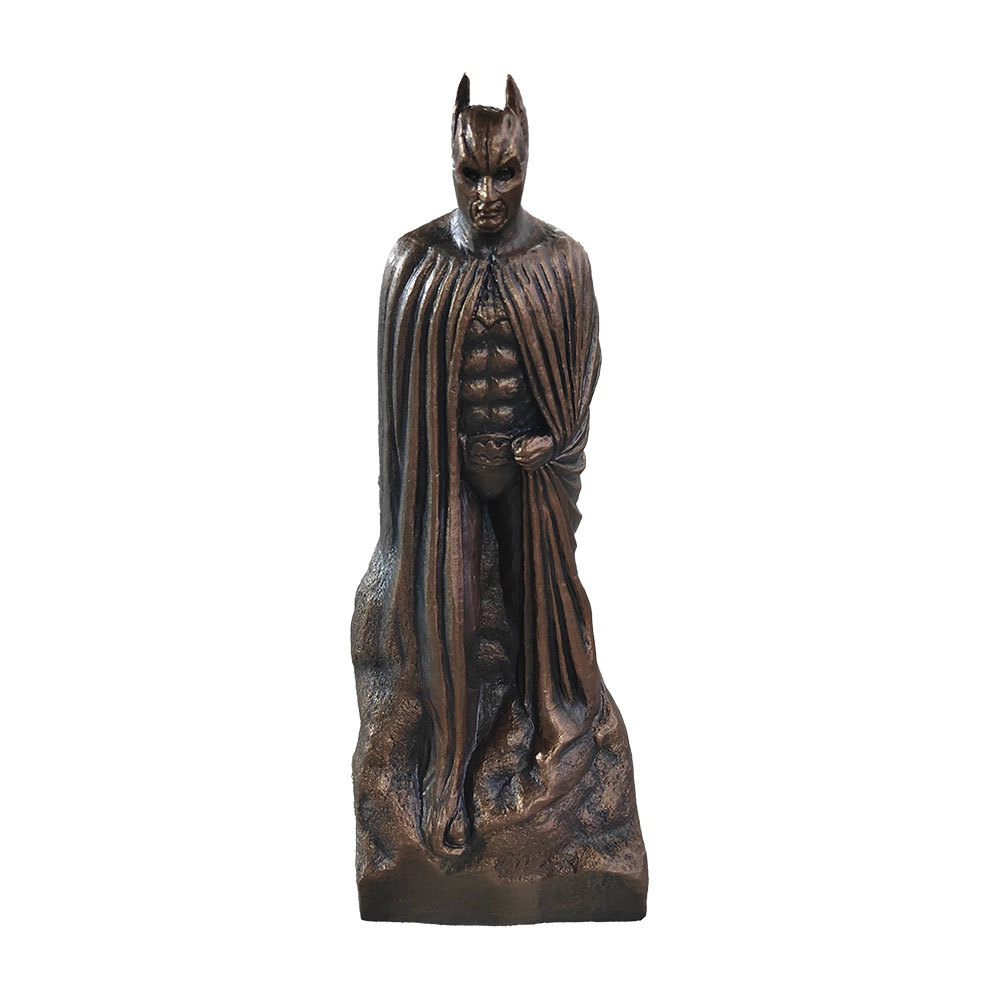
The Art and Craft of Bronze Sculpture: A Timeless Masterpiece
Bronze sculpture represents a unique fusion of art and metallurgy, making it one of the most revered forms of artistic expression throughout history. The process of creating bronze sculptures has evolved over thousands of years, with roots tracing back to ancient civilizations. Today, artists continue to utilize traditional techniques, offering both aesthetic beauty and structural integrity to the
2026/11/20

The Art and Technique of Creating Captivating Granite Sculptures
The Art and Technique of Creating Captivating Granite Sculptures
Table of Contents
Introduction to Granite Sculptures
Choosing the Right Granite for Sculpting
The Design Process: From Concept to Creation
Essential Tools and Techniques for Granite Sculpting
Step-by-Step Sculpting Process
Finishing Touches: Polishing and Sealing Your Sculpture
Caring for Your Granite Scu
2026/11/15

Understanding Memorial Headstones: A Comprehensive Guide for Professionals
Memorial Headstones are significant markers that serve as lasting tributes to dearly departed loved ones. In the realm of funeral and memorial services, understanding the various aspects of memorial headstones is crucial for professionals aiming to provide families with the best options for honoring their loved ones. This article delves into key considerations surrounding memorial headstones, incl
2026/11/10
Get a Quote Today
Looking for a trusted granite memorial supplier?