
Understanding the Legacy of Hand Carved Monuments: A Timeless Tribute to Life and Memory
2025-12-14 13:50
Understanding the Legacy of Hand Carved Monuments: A Timeless Tribute to Life and Memory
Table of Contents
- Introduction to Hand Carved Monuments
- Historical Significance of Hand Carved Monuments
- Craftsmanship and Techniques in Hand Carving
- Cultural Importance of Hand Carved Monuments
- Modern Interpretations of Traditional Carving
- Emotional Resonance of Monuments in Grieving
- Choosing the Right Hand Carved Monument
- Care and Maintenance of Hand Carved Monuments
- Conclusion: Preserving Memories Through Art
- FAQs About Hand Carved Monuments
Introduction to Hand Carved Monuments
Hand carved monuments serve as a poignant symbol of remembrance and tribute to those who have passed. These structures encapsulate the essence of a person's life, capturing stories, emotions, and memories in stone. Unlike mass-produced alternatives, hand-carved monuments showcase the artistry and dedication of skilled craftsmen, making each piece unique. In this article, we explore the legacy of hand carved monuments, examining their historical significance, craftsmanship, cultural relevance, and emotional impact.
Historical Significance of Hand Carved Monuments
The tradition of carving monuments dates back thousands of years. Ancient civilizations such as the Egyptians, Greeks, and Romans utilized stone carving techniques to create memorials for their deceased. These early monuments were not merely gravestones but served as markers of status and legacy, often adorned with intricate designs and inscriptions that depicted the life and achievements of the individual.
The historical significance of hand carved monuments lies in their ability to connect us to our past. Each monument tells a unique story, often reflecting the cultural and societal values of the time it was created. For instance, the use of specific symbols, patterns, and materials can indicate the beliefs and traditions of various cultures, allowing us to glimpse the lives of those who came before us.
The Evolution of Monument Carving
Over the centuries, the techniques and styles of monument carving have evolved. In the Middle Ages, for example, the use of Gothic architectural elements led to the creation of elaborate tombs adorned with sculptures and inscriptions. The Renaissance period saw a resurgence in classical themes, while the 18th and 19th centuries introduced more personalized and romantic styles.
Today, while the methods have modernized, the essence of hand carving remains rooted in tradition. Craftsmen continue to draw inspiration from historical practices, ensuring that the art of monument carving endures.
Craftsmanship and Techniques in Hand Carving
The craftsmanship involved in creating hand carved monuments is nothing short of extraordinary. Skilled artisans invest countless hours into each piece, utilizing a variety of tools and techniques to achieve stunning results.
Tools of the Trade
Monument carvers use an array of tools, including chisels, hammers, and pneumatic tools, to shape stone into intricate designs. Each tool serves a specific purpose, allowing artisans to create fine details and smooth finishes.
Traditional vs. Modern Techniques
While traditional hand carving emphasizes manual techniques passed down through generations, modern methods often incorporate technology for precision. Computer-aided design (CAD) software allows artists to draft designs digitally before transferring them to stone, blending innovation with craftsmanship. However, the finishing touches and intricate details are still best executed by hand, demonstrating the balance between tradition and modernity.
Cultural Importance of Hand Carved Monuments
Hand carved monuments play a pivotal role in cultural expression and identity. They serve as a canvas for artists to convey significant cultural narratives, beliefs, and traditions.
Regional Styles and Symbols
Different cultures have distinct styles and symbols that reflect their unique histories and values. For example, Celtic crosses often feature intricate knotwork that symbolizes the interconnectedness of life, while Native American monuments may incorporate natural elements to honor the earth and ancestors. Such cultural markers not only epitomize artistic expression but also foster a sense of community and belonging.
Monuments as Historical Record
Beyond personal remembrance, hand carved monuments serve as historical records. They document the lives of individuals who have shaped a community, commemorating not just personal stories but also broader societal trends and events. This dual role as both personal tribute and historical artifact underscores their cultural significance.
Modern Interpretations of Traditional Carving
In contemporary times, artists are reinterpreting traditional carving methods, infusing modern aesthetics with timeless techniques. This evolution reflects changing societal values, as well as advancements in technology and materials.
Innovative Designs
Today’s artisans experiment with unconventional materials and designs, moving beyond traditional stone to include glass, metal, and even mixed media. This creative freedom allows for unique expressions of grief and remembrance that resonate with modern sensibilities.
Personalization in Hand Carved Monuments
Modern technology has also made it possible to personalize monuments like never before. Engraving photographs, meaningful quotes, or symbolic imagery onto stones allows families to create truly individualized memorials that speak to the life and personality of the deceased.
Emotional Resonance of Monuments in Grieving
Hand carved monuments are not merely artistic structures; they hold deep emotional significance for the bereaved. These monuments offer a physical space for reflection, mourning, and remembrance.
A Place for Reflection
Visiting a hand carved monument can provide solace to those grappling with loss. The act of visiting a loved one’s memorial can facilitate healing, allowing family and friends to connect with memories and emotions in a tangible way.
Symbolism and Healing
The symbolism embedded in hand carved monuments plays a critical role in the grieving process. Different designs and motifs can evoke specific emotions and memories, helping individuals navigate their grief. For instance, a dove might symbolize peace, while a tree could represent life and continuity. These symbols provide comfort and foster a sense of connection to those who have passed.
Choosing the Right Hand Carved Monument
Selecting a hand carved monument is a deeply personal decision that requires careful consideration. Families should take the time to reflect on their loved one's life, preferences, and personality to ensure the chosen monument accurately represents their legacy.
Factors to Consider
When selecting a monument, consider factors such as size, material, design, and inscription. Each element contributes to the overall message and sentiment conveyed by the memorial. It's also essential to work with a reputable artisan who understands the importance of craftsmanship and can help bring your vision to life.
Budget and Planning
Establishing a budget is crucial in the monument selection process. Hand carved monuments vary significantly in price, depending on the complexity of the design and materials used. Planning ahead and discussing options with the artisan can help families find a suitable solution that honors their loved one within a realistic budget.
Care and Maintenance of Hand Carved Monuments
To preserve the beauty and integrity of hand carved monuments, regular care and maintenance are essential.
Cleaning Techniques
Cleaning a monument should be done gently to avoid damaging the stone. Use soft brushes and mild detergents, avoiding harsh chemicals that can erode the surface. Regular cleaning can prevent the buildup of moss, lichen, or dirt that may detract from the monument's appearance.
Protecting Against the Elements
Depending on the material, different strategies may be employed to shield the monument from weather-related damage. For instance, applying a protective sealant can help guard against moisture and UV damage. Regular inspections can also identify any issues early, allowing for timely repairs.
Conclusion: Preserving Memories Through Art
Hand carved monuments embody a rich legacy of artistry, cultural significance, and emotional resonance. They serve as lasting tributes to the lives of those we cherish, connecting us to our history, culture, and each other. As we continue to honor our loved ones through the creation of these monuments, we not only preserve their memory but also celebrate the artistry and craftsmanship that have defined our understanding of legacy throughout the ages.
FAQs About Hand Carved Monuments
1. What materials are commonly used for hand carved monuments?
Hand carved monuments are primarily made from durable stones like granite, marble, limestone, and sandstone. Each material has its own unique properties, making it suitable for different styles and designs.
2. How long does it take to create a hand carved monument?
The time required to create a hand carved monument varies depending on the complexity of the design and the artisan's workload. Typically, it can take anywhere from several weeks to a few months.
3. Can I personalize my hand carved monument?
Absolutely! Personalization options include custom inscriptions, images, and unique designs that reflect the personality and life of the individual being memorialized.
4. How do I choose the right monument for my loved one?
Consider the individual's personality, interests, and values when selecting a monument. It's also important to collaborate with a skilled artisan who can help guide you through the design process.
5. What maintenance is required for hand carved monuments?
Regular cleaning with gentle tools and preserving against weather damage is essential for maintaining the beauty of hand carved monuments. Consult with the artisan for specific care instructions tailored to the material used.
MORE NEWS
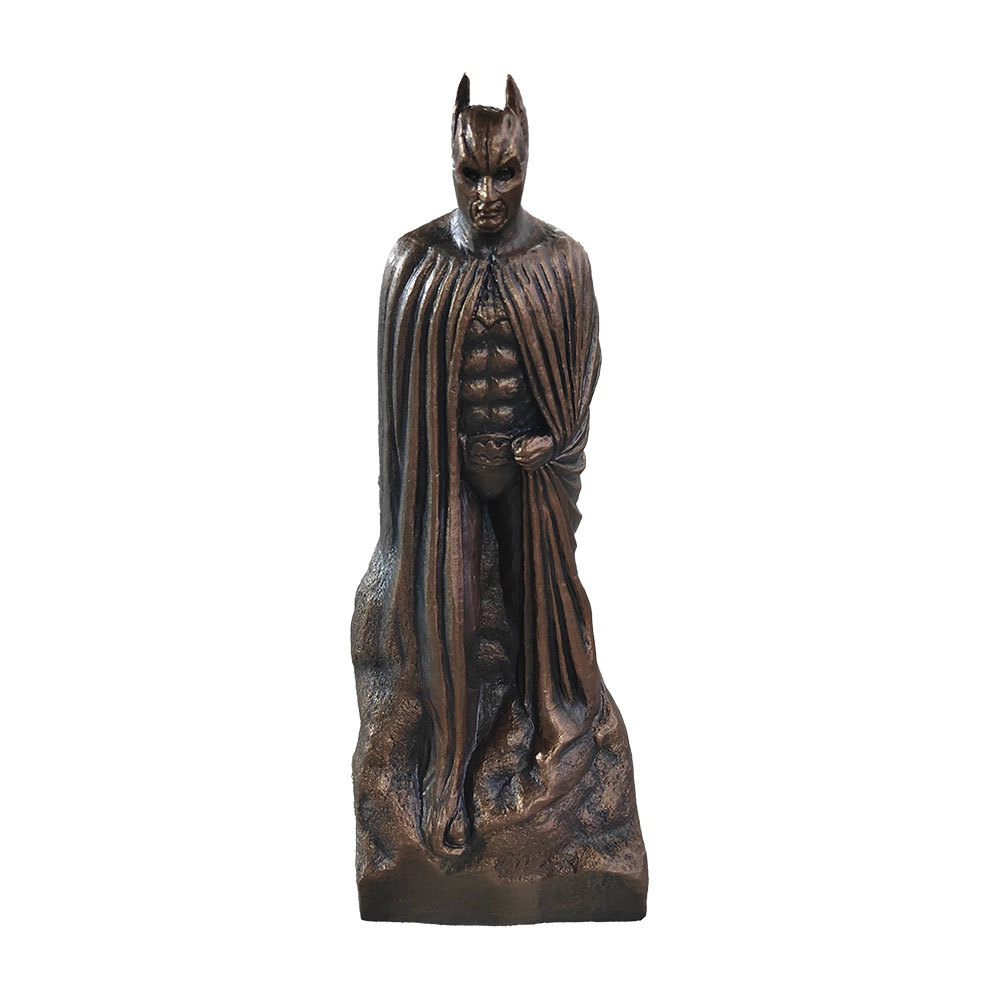
The Art and Craft of Bronze Sculpture: A Timeless Masterpiece
Bronze sculpture represents a unique fusion of art and metallurgy, making it one of the most revered forms of artistic expression throughout history. The process of creating bronze sculptures has evolved over thousands of years, with roots tracing back to ancient civilizations. Today, artists continue to utilize traditional techniques, offering both aesthetic beauty and structural integrity to the
2026/11/20

The Art and Technique of Creating Captivating Granite Sculptures
The Art and Technique of Creating Captivating Granite Sculptures
Table of Contents
Introduction to Granite Sculptures
Choosing the Right Granite for Sculpting
The Design Process: From Concept to Creation
Essential Tools and Techniques for Granite Sculpting
Step-by-Step Sculpting Process
Finishing Touches: Polishing and Sealing Your Sculpture
Caring for Your Granite Scu
2026/11/15

Understanding Memorial Headstones: A Comprehensive Guide for Professionals
Memorial Headstones are significant markers that serve as lasting tributes to dearly departed loved ones. In the realm of funeral and memorial services, understanding the various aspects of memorial headstones is crucial for professionals aiming to provide families with the best options for honoring their loved ones. This article delves into key considerations surrounding memorial headstones, incl
2026/11/10
Get a Quote Today
Looking for a trusted granite memorial supplier?