
Understanding Granite Monuments: A Guide for Professionals in the Memorial Industry
2025-12-15 14:10
Granite monuments have long been a favored choice in the memorial industry due to their durability, aesthetic appeal, and symbolic significance. As a natural stone, granite is formed from igneous rock and is composed of various minerals, primarily quartz, feldspar, and mica. This composition gives granite its characteristic toughness and vibrant colors, making it an ideal material for memorialization.
One of the primary benefits of granite monuments is their longevity. Unlike other materials that may degrade over time, granite withstands the elements exceptionally well, resisting weathering, erosion, and discoloration. This durability ensures that a granite monument can serve as a lasting tribute for generations, maintaining its integrity and beauty.
In terms of aesthetics, granite offers a wide range of colors and finishes, allowing for customization that reflects the personality and preferences of the deceased or their family. From polished to honed finishes, the versatility of granite enables the creation of unique designs that can incorporate engravings, etchings, and even sculptures. Professionals should consider the desires of their clients when selecting the granite type and finish, ensuring that the final product resonates with the intended memorialization.
Another important aspect to consider is the maintenance of granite monuments. While granite is low-maintenance compared to other materials, regular cleaning can enhance its appearance and longevity. Professionals should advise clients on suitable cleaning methods, such as using mild soap and water, and avoiding harsh chemicals that could damage the stone. Additionally, periodic inspections can help identify any potential issues early, preserving the monument’s quality.
When it comes to installation, granite monuments require proper setting techniques to ensure stability and durability. Professionals should be well-versed in the best practices for installation, including the use of appropriate foundations and securing methods, particularly in areas prone to extreme weather or soil movement.
Ultimately, granite monuments serve more than just a functional purpose; they are a celebration of life and a means of honoring memories. By understanding the properties and applications of granite, professionals in the memorial industry can provide valuable guidance to clients, helping them make informed decisions that reflect their loved ones’ legacies.
In conclusion, granite monuments stand as enduring symbols of remembrance. Their durability, aesthetic versatility, and low maintenance make them an ideal choice for memorialization. By focusing on the unique characteristics of granite, professionals can enhance their offerings and ensure that each monument is a fitting tribute to a life well-lived.
MORE NEWS
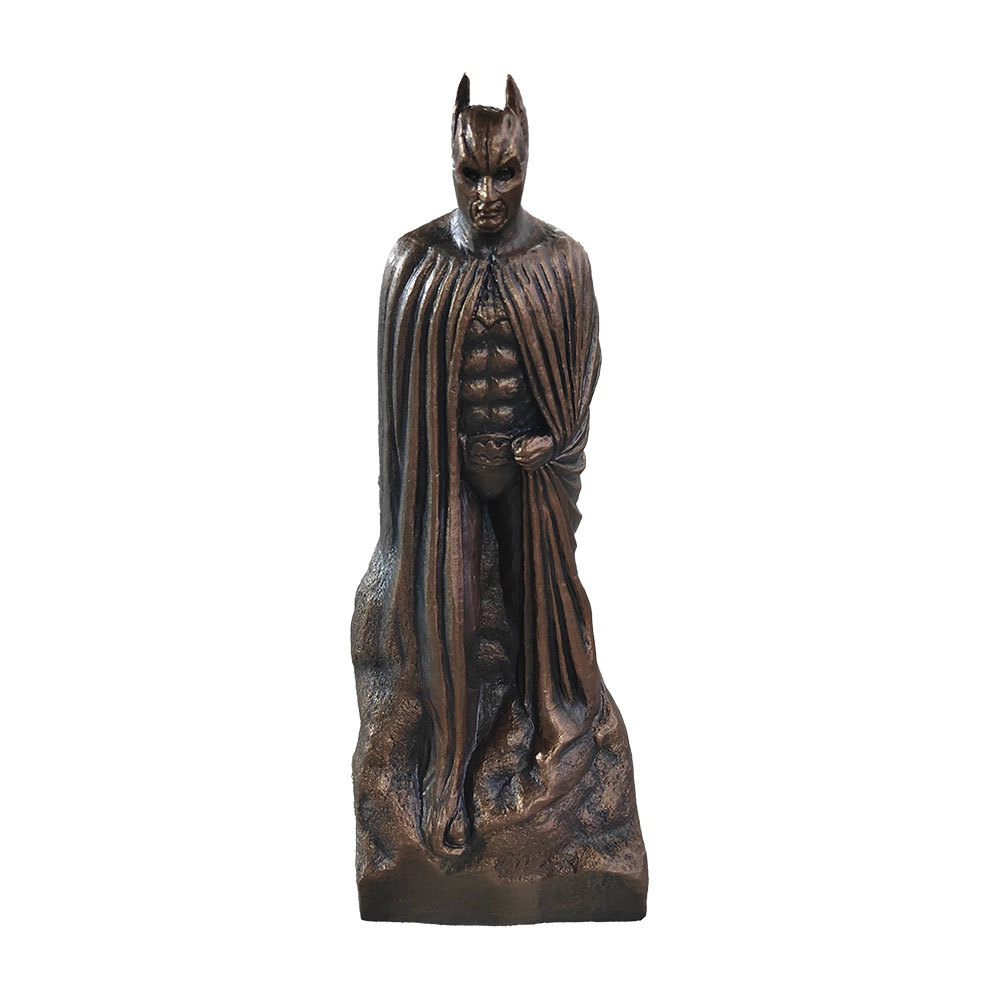
The Art and Craft of Bronze Sculpture: A Timeless Masterpiece
Bronze sculpture represents a unique fusion of art and metallurgy, making it one of the most revered forms of artistic expression throughout history. The process of creating bronze sculptures has evolved over thousands of years, with roots tracing back to ancient civilizations. Today, artists continue to utilize traditional techniques, offering both aesthetic beauty and structural integrity to the
2026/11/20

The Art and Technique of Creating Captivating Granite Sculptures
The Art and Technique of Creating Captivating Granite Sculptures
Table of Contents
Introduction to Granite Sculptures
Choosing the Right Granite for Sculpting
The Design Process: From Concept to Creation
Essential Tools and Techniques for Granite Sculpting
Step-by-Step Sculpting Process
Finishing Touches: Polishing and Sealing Your Sculpture
Caring for Your Granite Scu
2026/11/15

Understanding Memorial Headstones: A Comprehensive Guide for Professionals
Memorial Headstones are significant markers that serve as lasting tributes to dearly departed loved ones. In the realm of funeral and memorial services, understanding the various aspects of memorial headstones is crucial for professionals aiming to provide families with the best options for honoring their loved ones. This article delves into key considerations surrounding memorial headstones, incl
2026/11/10
Get a Quote Today
Looking for a trusted granite memorial supplier?