
Embracing Diversity: Unique Cultural Granite Monument Designs
2025-12-22 18:40
Embracing Diversity: Unique Cultural Granite Monument Designs
Table of Contents
- Introduction to Granite Monuments
- Historical Significance of Granite Monuments
- Cultural Expressions in Granite Designs
- Inspiring Design Variations Around the World
- Asian Granite Monuments
- European Granite Monuments
- African Granite Monuments
- Native American Granite Monuments
- Creating Personalized Tributes
- Sustainability in Granite Monument Production
- Future Trends in Monument Design
- Conclusion
- Frequently Asked Questions
Introduction to Granite Monuments
Granite monuments serve as timeless tributes, honoring the lives of those who have passed away while reflecting the rich tapestry of cultures worldwide. The use of granite, revered for its durability and elegance, makes it a favored choice for memorials. In this article, we will explore unique cultural granite monument designs, emphasizing their historical significance, artistic expressions, and the diversity that enriches our global heritage.
Historical Significance of Granite Monuments
The historical roots of granite monuments can be traced back to ancient civilizations. These structures were not merely markers of graves but symbols of societal values, beliefs, and artistic achievements. Ancient Egyptians used granite to build monumental tombs such as the Great Pyramid of Giza, which showcased their advanced engineering skills and reverence for the afterlife. Similarly, the Romans utilized granite for grand structures, emphasizing their power and influence.
Over time, granite has been employed in various cultures to commemorate the deceased, marking the transition from life to the afterlife. The material’s resilience symbolizes permanence, making it an ideal choice for memorials. Understanding this historical context enriches our appreciation of the diverse designs and meanings embedded in modern granite monuments.
Cultural Expressions in Granite Designs
Granite monuments are more than just physical structures; they are canvases for cultural expressions. Each design tells a story, reflecting the values, beliefs, and artistic traditions of the community it represents. From intricate carvings to symbolic shapes, these monuments encapsulate the essence of the cultures that created them.
For instance, many Asian cultures incorporate spiritual symbols and motifs into their granite monuments. Buddhist designs often feature lotus flowers and serene figures of the Buddha, symbolizing enlightenment and purity. In contrast, Western designs may incorporate crosses, angels, or personal elements that speak to the individual’s life and legacy.
Understanding these cultural expressions enables us to appreciate the uniqueness of each granite monument and the stories they convey, reinforcing the importance of diversity in memorialization practices.
Inspiring Design Variations Around the World
Granite monuments vary significantly across regions, influenced by local customs, traditions, and artistic styles. In this section, we will explore some of the most inspiring design variations from different cultures.
Asian Granite Monuments
In many Asian cultures, granite monuments are deeply spiritual, often featuring intricate carvings and symbolic motifs. In China, for example, granite tombstones may incorporate elements like dragons or phoenixes, signifying strength and rebirth. Similarly, in Japan, traditional Buddhist gravestones are crafted meticulously, often resembling pagodas or featuring Kannon, the Goddess of Mercy.
These designs not only reflect artistic skill but also serve as a way for families to honor their ancestors and connect with their cultural heritage.
European Granite Monuments
European granite monuments often showcase a blend of historical and contemporary styles. In countries like Italy and France, elaborate sculptures and detailed inscriptions are common, reflecting the rich artistic traditions of the Renaissance and Baroque periods. Monuments in these regions may feature classical motifs such as cherubs and ornate borders, symbolizing the eternal beauty of life.
In contrast, Northern European designs tend to be more minimalist, emphasizing simplicity and functionality. Scandinavian granite monuments may feature clean lines and understated engravings, reflecting a deep connection to nature and the belief in the cycle of life.
African Granite Monuments
African granite monuments display a vibrant array of designs influenced by local customs and heritage. In many cultures, granite is used to create communal memorials that honor both individuals and the collective. Carvings may include representations of animals, tribal symbols, or significant historical events.
For example, in Ghana, colorful and intricately carved tombstones often feature themes from the deceased's life, celebrating their achievements and contributions to the community. This practice not only honors the individual but also reinforces the cultural values and narratives of the community.
Native American Granite Monuments
Native American cultures incorporate unique symbols and designs into their granite monuments, often reflecting their deep connection to the land and spirituality. Many monuments are adorned with natural elements like feathers, animals, and sacred symbols that represent the beliefs and traditions of the tribe.
These designs serve as a reminder of the cultural heritage and ongoing connection to ancestors, emphasizing the importance of remembering and honoring those who have passed.
Creating Personalized Tributes
In recent years, the trend of personalized granite monuments has gained popularity, allowing families to create unique tributes that reflect the individuality of their loved ones. Customization options include incorporating photographs, personal messages, and symbols that hold special meaning.
Families are encouraged to collaborate with skilled artisans to design monuments that capture the essence of the deceased. This personalization not only enhances the memorial but also provides a meaningful way to celebrate a life lived, ensuring that each granite monument is distinct and memorable.
Sustainability in Granite Monument Production
As the demand for granite monuments grows, so does the importance of sustainable practices in their production. The granite mining industry has begun to adopt eco-friendly practices to minimize environmental impact. This includes responsible sourcing, efficient processing techniques, and the use of recycled materials wherever possible.
Some manufacturers now prioritize local sourcing of granite, reducing transportation emissions and supporting local economies. By choosing sustainable granite, families can honor their loved ones while also contributing to the health of the planet.
Future Trends in Monument Design
The future of granite monument design is evolving, reflecting broader trends in society and technology. One significant trend is the incorporation of technology into memorialization. Digital memorials, augmented reality features, and interactive elements are becoming increasingly popular, allowing families to share stories and memories in innovative ways.
Additionally, there is a growing emphasis on inclusivity in monument design. As communities become more diverse, there is a demand for monuments that reflect multiple cultural narratives and honor various traditions. This shift towards inclusivity ensures that granite monuments continue to serve as meaningful tributes to all members of society.
Conclusion
Granite monuments are a powerful expression of cultural diversity and heritage, serving as enduring tributes to those who have passed. By embracing the unique designs and meanings behind these monuments, we celebrate the richness of human experience and the stories that connect us all. As we continue to honor our loved ones with personalized granite memorials, we also foster a greater understanding and appreciation for the diverse traditions that shape our world.
Frequently Asked Questions
1. What materials are commonly used in granite monument production?
Granite monuments are primarily made from natural granite stone, known for its durability and beauty. Some may also incorporate other materials such as bronze or marble for inscriptions and decorative elements.
2. How can families personalize a granite monument?
Families can personalize granite monuments by incorporating unique designs, engravings, photographs, and symbols that represent the deceased's life and interests. Working with skilled artisans allows for creative customization.
3. What is the historical significance of using granite for monuments?
Granite has been used for centuries due to its strength and durability, symbolizing permanence and resilience. Its historical significance lies in its role in honoring lives across different cultures and civilizations.
4. Are there eco-friendly options for granite monuments?
Yes, many manufacturers are adopting sustainable practices, such as responsible sourcing and using recycled materials. Choosing locally sourced granite also supports environmentally friendly initiatives.
5. How do cultural influences shape granite monument designs?
Cultural influences shape granite monument designs through specific symbols, motifs, and artistic styles that reflect the values and beliefs of different communities. Each design tells a unique story based on cultural heritage.
MORE NEWS
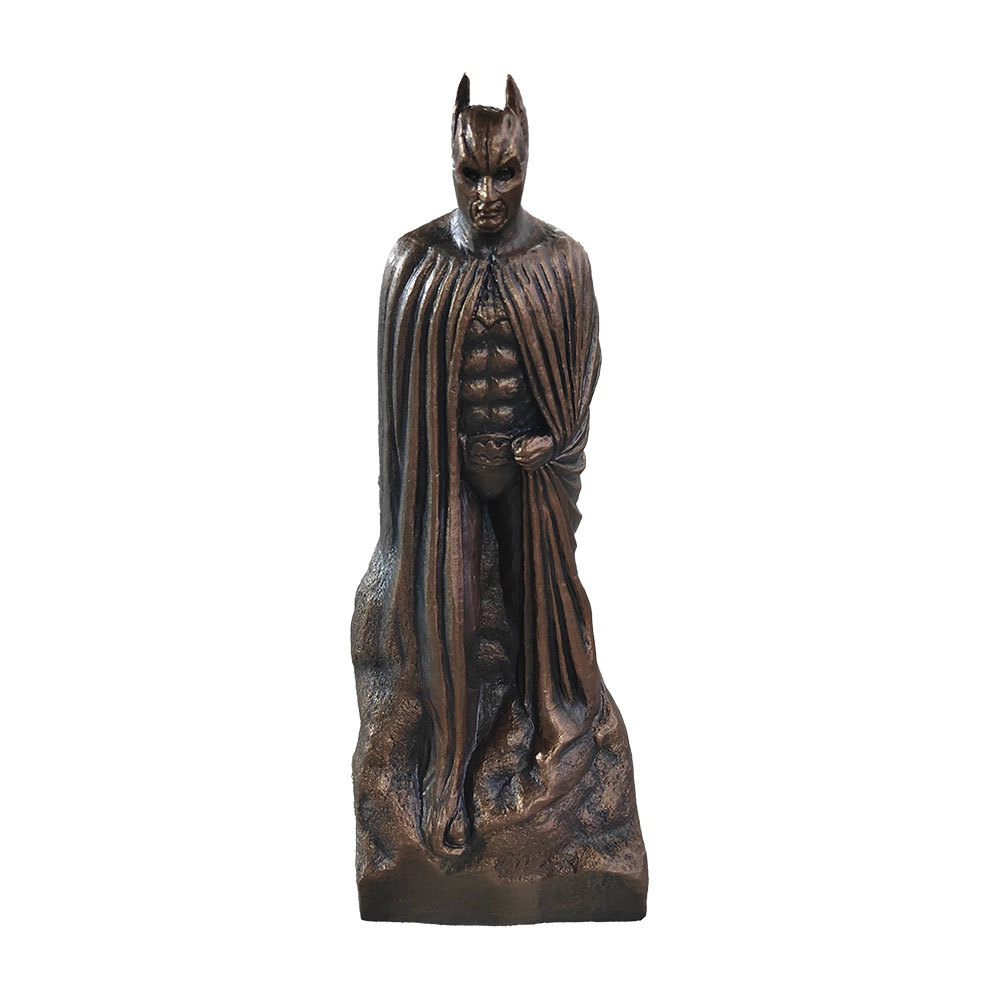
The Art and Craft of Bronze Sculpture: A Timeless Masterpiece
Bronze sculpture represents a unique fusion of art and metallurgy, making it one of the most revered forms of artistic expression throughout history. The process of creating bronze sculptures has evolved over thousands of years, with roots tracing back to ancient civilizations. Today, artists continue to utilize traditional techniques, offering both aesthetic beauty and structural integrity to the
2026/11/20

The Art and Technique of Creating Captivating Granite Sculptures
The Art and Technique of Creating Captivating Granite Sculptures
Table of Contents
Introduction to Granite Sculptures
Choosing the Right Granite for Sculpting
The Design Process: From Concept to Creation
Essential Tools and Techniques for Granite Sculpting
Step-by-Step Sculpting Process
Finishing Touches: Polishing and Sealing Your Sculpture
Caring for Your Granite Scu
2026/11/15

Understanding Memorial Headstones: A Comprehensive Guide for Professionals
Memorial Headstones are significant markers that serve as lasting tributes to dearly departed loved ones. In the realm of funeral and memorial services, understanding the various aspects of memorial headstones is crucial for professionals aiming to provide families with the best options for honoring their loved ones. This article delves into key considerations surrounding memorial headstones, incl
2026/11/10
Get a Quote Today
Looking for a trusted granite memorial supplier?