
Understanding the History and Evolution of Tombstones: A Comprehensive Exploration
2025-12-24 12:10
Understanding the History and Evolution of Tombstones
Tombstones, also referred to as grave markers or memorials, serve as lasting tributes to those who have passed away. They embody a rich tapestry of cultural traditions, artistic expressions, and evolving societal practices surrounding death and remembrance. The history and evolution of tombstones echo changes in civilization, beliefs, and artistic influences over time. In this article, we will explore the multifaceted journey of tombstones, tracing their origins and transformations through various eras and cultures.
The Origins of Tombstones
The practice of marking graves with stones dates back thousands of years. Archaeological evidence suggests that the earliest tombstones emerged in ancient civilizations, such as Mesopotamia and Egypt. These early markers served not only as a means of identification but also reflected deep spiritual beliefs surrounding the afterlife.
Ancient Civilizations and Their Burial Practices
In ancient Mesopotamia, individuals were buried with belongings, indicating a belief in an afterlife where these items would be used. Families erected simple stone markers to commemorate their deceased. Meanwhile, the ancient Egyptians famously constructed elaborate tombs, adorned with hieroglyphics and statues, to ensure the deceased's safe passage into the afterlife.
Greek and Roman Innovations in Tombstone Design
The Greeks and Romans advanced the art of tombstone design by incorporating sculptural elements and inscriptions that celebrated the lives of the deceased. Grave markers often featured detailed carvings, portraits, and poetic epitaphs. The iconic stele, a stone slab with inscription, became a prominent form of tombstone in ancient Greece, combining aesthetics with functional identification.
The Middle Ages: A Shift in Tombstone Significance
During the Middle Ages, the significance of tombstones evolved, largely influenced by the rise of Christianity. Burial practices shifted from public displays to more private interments, often within church grounds. Tombstones became markers of faith and social status.
Churchyard Burials and the Emergence of Ledger Stones
As Christianity spread throughout Europe, churchyards became the primary places of burial. Ledger stones, flat stones placed over graves, became prevalent during this period. These stones often featured crosses or religious symbols, establishing a connection between the deceased and the Church.
Gothic Influence and Monumental Tombs
The Gothic period ignited a passion for monumental tombs. Elaborate mausoleums and intricately carved effigies became prevalent, showcasing the wealth and status of the deceased. This era marked a shift from simple grave markers to grand memorials, reflecting a deep reverence for the dead.
The Renaissance to the 19th Century: Artistic Flourishing
The Renaissance brought a revival of classical art and architecture, influencing tombstone design. Artisans began to experiment with materials and styles, leading to greater personalization and artistic expression.
The Influence of Humanism on Tombstone Design
Humanism emphasized individualism and the importance of the human experience. This philosophy influenced the way tombstones were designed, with a focus on celebrating the individual life rather than merely marking the spot of burial. Personal epitaphs and unique artistic representations flourished during this time.
The 18th and 19th Centuries: Industrialization and Mass Production
The advent of the Industrial Revolution fundamentally changed tombstone production. Factories began to mass-produce gravestones, making them accessible to a broader population. However, this also led to a decline in handcrafted artistry, as standardized designs became commonplace.
The 20th Century: Modernization and Personalization
The 20th century witnessed further evolution in tombstone design, with a shift towards personalization and unique memorialization.
Technological Advancements in Tombstone Production
With advancements in technology, materials such as granite and marble became more widely available. The introduction of laser etching and computerized engraving allowed for intricate designs and personalized inscriptions, enabling families to create meaningful tributes.
The Emergence of Eco-Friendly Memorials
In recent years, the environmental movement has influenced the way we think about death and burial. Eco-friendly memorials, including biodegradable urns and natural stone markers, have gained popularity as people seek sustainable options that honor both the deceased and the planet.
Cultural Variations in Tombstone Design
Tombstone design is deeply influenced by cultural beliefs and practices surrounding death. Various cultures have their own unique approaches to memorialization, reflecting their traditions, values, and spiritual beliefs.
Asian Influences: Honor and Ancestral Worship
In many Asian cultures, particularly in China, tombstones are often elaborate and richly adorned. The practice of ancestor worship is integral to these cultures, and tombstones serve as a means to honor and remember forebears. The use of stone, jade, and other precious materials reflects the importance of the deceased within the family lineage.
Indigenous Practices: Connection to Land and Spirit
Indigenous cultures often view death as a continuation of the spiritual journey. Tombstone designs in these communities are influenced by their deep connection to the land and nature. Simple markers made from natural materials may be used, emphasizing the cyclical relationship between life and death.
The Future of Tombstone Design
As society continues to evolve, so too will the designs and meanings of tombstones. The future may hold new innovations and practices that further reflect contemporary values and beliefs.
Digital Memorials and Virtual Experiences
With the rise of technology, digital memorials are becoming increasingly popular. Virtual graveyards and online memorial platforms allow families to create and maintain tributes that can be accessed from anywhere in the world. These digital representations bridge the gap between the physical and virtual realms, offering a new way to remember loved ones.
Artistic Expression in Modern Tombstone Design
Contemporary artists are reimagining tombstone design, incorporating various artistic styles and materials. Sculptors and designers are experimenting with unconventional shapes and mediums, creating unique works of art that reflect the individuality of the deceased.
Frequently Asked Questions
1. What materials are commonly used for tombstones?
The most common materials for tombstones include granite, marble, limestone, and bronze. Each material offers different aesthetic qualities and durability.
2. How can I choose a meaningful inscription for a tombstone?
Choosing an inscription involves reflecting on the deceased’s life, values, and personality. Short quotes, personal messages, and anecdotes can create a meaningful tribute.
3. Are there specific regulations for placing a tombstone in a cemetery?
Yes, many cemeteries have guidelines regarding the size, materials, and design of tombstones. It’s essential to check with the cemetery management before making a purchase.
4. How have tombstone designs changed in recent years?
Tombstone designs have become more personalized, with advancements in technology allowing for intricate designs and custom inscriptions. Eco-friendly options have also become popular.
5. Can I create a digital memorial for a loved one?
Yes, many online platforms offer services for creating digital memorials, allowing you to share memories, photos, and stories with family and friends.
Conclusion
The history and evolution of tombstones are a testament to our enduring relationship with death and remembrance. From ancient burial markers to modern memorials, tombstones have transformed alongside societal beliefs, artistic practices, and technological advancements. As we continue to honor our loved ones, the significance of these memorials remains, reflecting not only the lives of those departed but also our shared humanity and connection to the past. The journey of tombstones encapsulates a rich narrative, one that will undoubtedly continue to evolve in the future.
MORE NEWS
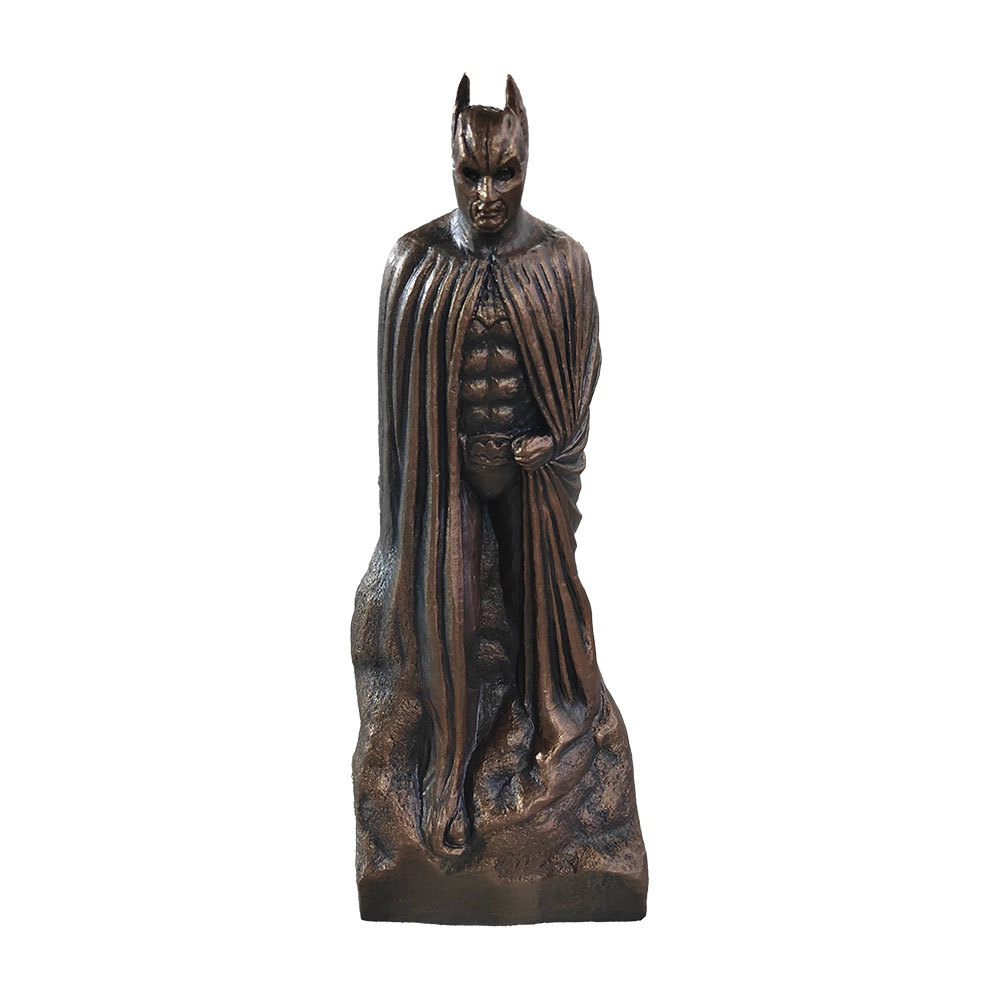
The Art and Craft of Bronze Sculpture: A Timeless Masterpiece
Bronze sculpture represents a unique fusion of art and metallurgy, making it one of the most revered forms of artistic expression throughout history. The process of creating bronze sculptures has evolved over thousands of years, with roots tracing back to ancient civilizations. Today, artists continue to utilize traditional techniques, offering both aesthetic beauty and structural integrity to the
2026/11/20

The Art and Technique of Creating Captivating Granite Sculptures
The Art and Technique of Creating Captivating Granite Sculptures
Table of Contents
Introduction to Granite Sculptures
Choosing the Right Granite for Sculpting
The Design Process: From Concept to Creation
Essential Tools and Techniques for Granite Sculpting
Step-by-Step Sculpting Process
Finishing Touches: Polishing and Sealing Your Sculpture
Caring for Your Granite Scu
2026/11/15

Understanding Memorial Headstones: A Comprehensive Guide for Professionals
Memorial Headstones are significant markers that serve as lasting tributes to dearly departed loved ones. In the realm of funeral and memorial services, understanding the various aspects of memorial headstones is crucial for professionals aiming to provide families with the best options for honoring their loved ones. This article delves into key considerations surrounding memorial headstones, incl
2026/11/10
Get a Quote Today
Looking for a trusted granite memorial supplier?