
The Art of Memory: How Hand Carved Monuments Enhance Remembrance
2026-01-07 13:00
The Art of Memory: How Hand Carved Monuments Enhance Remembrance
Table of Contents
- 1. Introduction to Hand Carved Monuments
- 2. The Importance of Memory in Grief
- 3. The Art of Hand Carving Techniques
- 4. Personalization in Hand Carved Monuments
- 5. The Emotional Impact of Hand Carved Monuments
- 6. Cultural Significance of Monuments Worldwide
- 7. Choosing the Right Hand Carved Monument
- 8. Maintenance and Care for Your Monument
- 9. Conclusion
- 10. FAQs
1. Introduction to Hand Carved Monuments
In the realm of remembrance, hand-carved monuments hold a unique and profound significance. Unlike mass-produced alternatives, these monuments are crafted with meticulous attention to detail, embodying the memories and legacies of those who have passed. The art of hand carving not only showcases the skill of the artisan but also serves as a personal tribute to the deceased, enhancing the emotional connection to loved ones.
2. The Importance of Memory in Grief
Memory plays a crucial role in the grieving process. As we navigate the loss of a loved one, preserving their memory becomes a vital aspect of healing. Hand-carved monuments serve as tangible reminders of the lives we cherish, offering solace to those left behind. The act of commemorating a loved one through a personalized monument allows families to actively engage with their memories, creating a space for reflection and remembrance.
The Psychological Benefits of Memorialization
Research suggests that memorialization can significantly aid in the grieving process. Having a dedicated place to visit, like a hand-carved monument, allows individuals to connect with their memories, fostering emotional healing. **Studies indicate** that engaging with these memorials can reduce feelings of isolation and provide comfort during times of mourning.
3. The Art of Hand Carving Techniques
Hand carving is a delicate and time-honored craft that transforms raw materials into stunning works of art. The techniques employed in hand carving vary based on the type of material, such as granite, marble, or wood. Each material presents its own challenges and aesthetic appeal, allowing artisans to create unique pieces tailored to the desires of families.
The Process of Hand Carving
The process begins with selecting high-quality materials that will withstand the test of time. Artisans often utilize chisels, mallets, and other specialized tools to shape and etch intricate designs. The level of detail achieved through hand carving cannot be replicated by machinery, making each monument a one-of-a-kind creation that honors the individuality of the deceased.
Materials Used in Hand Carved Monuments
- **Granite:** Known for its durability and elegant appearance, granite is a popular choice for hand-carved monuments.
- **Marble:** This material is favored for its beauty and ability to hold intricate detailing.
- **Wood:** Although less common, wooden monuments can be deeply personal and warm in aesthetic.
4. Personalization in Hand Carved Monuments
Personalization is at the heart of hand-carved monuments. Families can choose designs, inscriptions, and symbols that reflect the personality and passions of their loved ones. This level of customization not only adds uniqueness but also enhances the emotional significance of the monument.
Symbolism in Monument Design
Certain symbols carry deep meanings, and incorporating them into a monument can convey messages about the deceased's life and values. For instance:
- **Angels:** Often symbolize protection and guidance.
- **Crosses:** Represent faith and eternal life.
- **Nature Elements:** Such as trees or flowers, can symbolize life, renewal, and connection to nature.
Inscriptions and Quotes
Engraving a meaningful quote or inscription can further personalize a monument. This may include favorite sayings, dates, or brief life stories that encapsulate the essence of the individual. These personal touches transform a simple monument into a heartfelt tribute.
5. The Emotional Impact of Hand Carved Monuments
The emotional impact of hand-carved monuments extends beyond aesthetics; it serves as a source of comfort and connection for grieving individuals. These monuments signify a place to remember and reflect, creating a sanctuary where families can honor the memories of their loved ones.
Creating a Space for Remembrance
A hand-carved monument can establish a dedicated space for family gatherings, memorial services, or quiet reflection. This physical representation of love and loss fosters an environment for sharing memories, allowing family members to connect with each other and the departed.
Encouraging Open Conversations About Grief
Having a visible reminder of a loved one can encourage open conversations about grief and loss. Families can share stories, express feelings, and celebrate the life of the deceased, facilitating a healthy grieving process.
6. Cultural Significance of Monuments Worldwide
The tradition of erecting monuments in memory of loved ones is prevalent across cultures. Each culture brings its unique practices and meanings to the art of memorialization. Understanding these cultural perspectives can enhance our appreciation for hand-carved monuments.
Monuments in Different Cultures
- **Western Cultures:** Often focus on individualism, emphasizing personal achievements in their memorials.
- **Eastern Cultures:** May incorporate ancestral worship, with family names prominently displayed on shared monuments.
- **Indigenous Cultures:** Frequently use natural elements to create living memorials that reflect their relationships with the land.
Global Inspiration for Hand Carved Designs
Exploring various cultural approaches to memorialization can inspire families when designing their hand-carved monuments. For instance, elements from different traditions can be incorporated to create a truly unique tribute.
7. Choosing the Right Hand Carved Monument
Selecting the right hand-carved monument is a deeply personal journey. Families should consider several factors to ensure the monument reflects their loved one's life and legacy.
Key Considerations When Choosing a Monument
- **Material:** Choose a durable material that resonates with the deceased’s personality and the family’s preferences.
- **Design Elements:** Consider incorporating symbols or elements that represent the loved one's life, interests, or beliefs.
- **Location:** Determine the best placement for the monument, whether in a cemetery, at home, or a special location significant to the deceased.
Involving Family in the Decision
Involving family members in the decision-making process can foster a sense of unity and support. Open discussions can lead to collective ideas that honor the deceased while ensuring that the monument embodies their spirit.
8. Maintenance and Care for Your Monument
To preserve the beauty and integrity of hand-carved monuments, regular maintenance and care are essential. Families should be informed about the best practices to ensure the longevity of these cherished memorials.
Cleaning and Preservation Tips
- **Regular Cleaning:** Gently wash the monument with water and non-abrasive soap to remove dirt and debris. Avoid harsh chemicals that can damage the surface.
- **Inspect for Damage:** Periodically check for any signs of wear or damage, especially after extreme weather conditions.
- **Professional Restoration:** For significant damage or weathering, consider hiring a professional restoration service that specializes in monuments.
Seasonal Care Considerations
Different seasons may require specific care for the monument. For example, in winter, snow and ice accumulation should be carefully removed to prevent damage, while in spring, plantings around the monument should be managed to maintain its appearance.
9. Conclusion
Hand-carved monuments are not merely structures; they are powerful symbols of love, remembrance, and connection. By investing in a hand-carved monument, families create a lasting tribute that honors their loved ones and provides a place for reflection and healing. These unique memorials serve to enhance the memory of those who have passed, ensuring that their legacies continue to live on in our hearts and minds.
10. FAQs
1. What materials are commonly used for hand-carved monuments?
Granite, marble, and wood are the most popular materials used for hand-carved monuments, each offering unique aesthetics and durability.
2. How long does it take to create a hand-carved monument?
The creation of a hand-carved monument can take several weeks to months, depending on the complexity of the design and the artisan's workload.
3. Can I personalize a hand-carved monument?
Absolutely! Personalization is one of the defining features of hand-carved monuments, allowing families to include symbols, inscriptions, and designs that reflect the deceased’s life.
4. How do I maintain a hand-carved monument?
Regular cleaning with mild soap and water, along with periodic inspections for damage, will help maintain the monument's appearance and longevity.
5. Are there cultural differences in monument design?
Yes, various cultures have distinct practices and meanings associated with monument design, often reflecting their values, beliefs, and traditions regarding remembrance.
Incorporating these elements into a hand-carved monument not only enhances its aesthetic appeal but also deepens the emotional connection to the memory it represents. Investing in such a meaningful tribute ensures that the legacy of your loved ones endures, celebrated and remembered for generations to come.
MORE NEWS
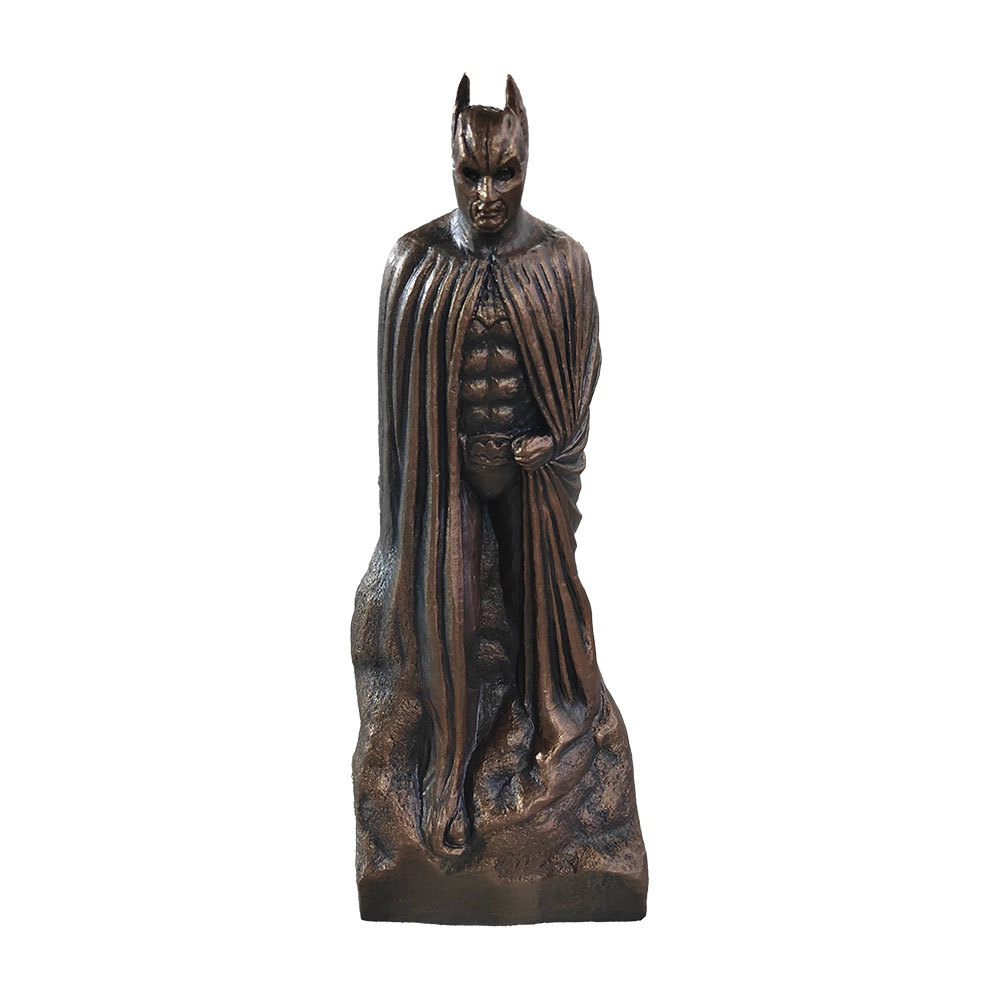
The Art and Craft of Bronze Sculpture: A Timeless Masterpiece
Bronze sculpture represents a unique fusion of art and metallurgy, making it one of the most revered forms of artistic expression throughout history. The process of creating bronze sculptures has evolved over thousands of years, with roots tracing back to ancient civilizations. Today, artists continue to utilize traditional techniques, offering both aesthetic beauty and structural integrity to the
2026/11/20

The Art and Technique of Creating Captivating Granite Sculptures
The Art and Technique of Creating Captivating Granite Sculptures
Table of Contents
Introduction to Granite Sculptures
Choosing the Right Granite for Sculpting
The Design Process: From Concept to Creation
Essential Tools and Techniques for Granite Sculpting
Step-by-Step Sculpting Process
Finishing Touches: Polishing and Sealing Your Sculpture
Caring for Your Granite Scu
2026/11/15

Understanding Memorial Headstones: A Comprehensive Guide for Professionals
Memorial Headstones are significant markers that serve as lasting tributes to dearly departed loved ones. In the realm of funeral and memorial services, understanding the various aspects of memorial headstones is crucial for professionals aiming to provide families with the best options for honoring their loved ones. This article delves into key considerations surrounding memorial headstones, incl
2026/11/10
Get a Quote Today
Looking for a trusted granite memorial supplier?