
Exploring the History of Gravestones and Memorial Practices: A Journey Through Time
2026-01-11 12:00
Exploring the History of Gravestones and Memorial Practices: A Journey Through Time
Table of Contents
- Introduction to Gravestones and Memorial Practices
- The Evolution of Gravestones: A Historical Overview
- Ancient Civilizations and Their Memorial Practices
- Gravestones in the Medieval Era: From Simplicity to Ornamentation
- Modern Gravestone Designs: Trends and Innovations
- Symbolism in Gravestones: Understanding the Messages
- Memorial Practices Across Cultures: A Comparative Analysis
- Contemporary Memorialization: Trends in a Modern World
- Conclusion: The Enduring Legacy of Gravestones and Memorial Practices
- FAQs about Gravestones and Memorial Practices
Introduction to Gravestones and Memorial Practices
Throughout history, gravestones have served as more than mere markers of burial sites; they embody a rich tapestry of cultural beliefs, artistic expression, and social values. The significance of these memorials transcends time, revealing how societies honor their loved ones and cope with loss. By exploring the history of gravestones and memorial practices, we can gain insight into how different cultures have expressed grief, commemorated the deceased, and celebrated life.
The Evolution of Gravestones: A Historical Overview
Gravestones have evolved dramatically, shaped by the prevailing cultural, religious, and artistic influences of their time. Understanding this evolution helps us appreciate the depth of meaning behind these memorials.
Ancient Civilizations and Their Memorial Practices
In ancient civilizations, gravestones took on many forms and functions. Egyptians used elaborate tombs adorned with hieroglyphics that celebrated the lives of the deceased and their journey to the afterlife. These monumental structures, such as the Great Pyramids, were not just burial sites but also symbols of power and divinity.
Similarly, the ancient Greeks and Romans employed gravestones to honor their dead. Greek funerary steles often featured intricate carvings and inscriptions that conveyed messages about the deceased's virtues and accomplishments. Roman memorials were more diverse, ranging from simple markers to grand mausoleums, reflecting the status of those buried within.
Gravestones in the Medieval Era: From Simplicity to Ornamentation
During the medieval period, gravestones underwent significant transformations. Initially, they were relatively simple, often consisting of flat stones with minimal inscriptions. However, as Christianity spread across Europe, gravestones began to feature religious symbols and elaborate carvings.
The Gothic era marked a turning point in gravestone artistry, with the introduction of intricate designs that included depictions of saints, angels, and biblical scenes. These gravestones not only served as memorials but also as tools for religious instruction, guiding the living in their faith.
Modern Gravestone Designs: Trends and Innovations
The 19th and 20th centuries saw a shift in gravestone design, influenced by industrialization and changing societal values. Materials such as granite and marble became popular, allowing for more durable and ornate memorials. The advent of technology also introduced new possibilities, such as laser engraving and personalized designs.
Today, gravestones reflect a wide array of styles, from traditional to contemporary, often incorporating elements that speak to the individuality of the deceased. Personalization has become a key trend, as families seek to create unique tributes that honor the life lived.
Symbolism in Gravestones: Understanding the Messages
Gravestones are rich in symbolism, providing insights into cultural beliefs and the values of the societies that created them. Understanding these symbols can deepen our appreciation for the art of memorialization.
Common Symbols and Their Meanings
Many gravestones feature common symbols that convey specific meanings. For example, the angel is a prevalent symbol, often representing protection and the soul's journey to heaven. The cross signifies faith and resurrection, while the willow tree symbolizes mourning and the fragility of life.
Other symbols, such as the hourglass, remind us of the passage of time, while the eternal flame signifies everlasting life. Each symbol carries with it a narrative that connects the living to the deceased, evoking memories and emotions.
Cultural Differences in Gravestone Symbolism
Cultural beliefs profoundly influence gravestone symbolism. In many Western cultures, gravestones tend to emphasize Christian symbols, while Eastern cultures may incorporate elements from Buddhism, Hinduism, and other spiritual traditions. For instance, in Chinese culture, gravestones may feature intricate designs that reflect the deceased's social status and achievements.
Understanding these cultural differences is essential for appreciating the diverse practices of memorialization worldwide. Each culture offers a unique lens through which we can view death and the afterlife.
Memorial Practices Across Cultures: A Comparative Analysis
Memorial practices vary widely across cultures, reflecting differing beliefs about death and the afterlife. By exploring these practices, we gain a richer understanding of how societies honor their dead.
Western Memorial Practices: Traditions and Changes
In Western cultures, memorial practices often involve elaborate funeral services and burial rituals. The gravestone serves as a focal point for remembrance, with families frequently visiting the site to pay their respects. Traditions such as placing flowers or lighting candles are common, symbolizing love and remembrance.
As societal values shift, many contemporary memorial practices have evolved. There is an increasing trend toward celebrating life rather than mourning death, with memorial services often incorporating personal stories, music, and photographs to honor the deceased's legacy.
Eastern Memorial Practices: Beliefs and Rituals
Eastern cultures, such as those in China and Japan, have distinct memorial practices rooted in their spiritual beliefs. In Chinese culture, the Qingming Festival is a time for families to honor their ancestors by cleaning graves and offering food and incense. The belief in ancestor worship emphasizes the importance of maintaining a connection with those who have passed.
In Japan, the Obon Festival is a time to honor deceased ancestors through various customs, including lantern lighting and visiting graves. These practices reflect a deep reverence for the past and the belief in the ongoing presence of ancestors in the lives of the living.
Contemporary Memorialization: Trends in a Modern World
As we navigate the complexities of modern life, memorialization continues to evolve, embracing new technologies and ideas. Digital memorials, for instance, have gained popularity, allowing families to create online tributes to their loved ones. These digital spaces often include photos, stories, and messages, fostering a sense of community among those who knew the deceased.
Moreover, eco-friendly memorial practices are on the rise, as more people seek sustainable options for honoring their loved ones. Biodegradable urns and natural burial sites reflect a growing awareness of environmental issues, merging the act of memorialization with a commitment to preserving the earth.
Conclusion: The Enduring Legacy of Gravestones and Memorial Practices
The history of gravestones and memorial practices reveals a profound connection between cultures, belief systems, and the human experience of grief. As we explore the evolution of these memorials, we appreciate the artistry, symbolism, and significance that accompany them. From ancient civilizations to contemporary practices, gravestones serve as lasting tributes that honor the lives of those who have passed, connecting generations through shared memories and love.
FAQs about Gravestones and Memorial Practices
1. What materials are commonly used for gravestones?
Gravestones are typically made from materials such as granite, marble, limestone, and bronze, each offering different aesthetic qualities and durability.
2. How do I choose a gravestone design?
Choosing a gravestone design involves considering personal preferences, cultural traditions, and the deceased’s personality. Many families opt for personalized engravings or symbols that reflect the deceased's life.
3. What is the significance of gravestone symbols?
Gravestone symbols convey messages about the deceased’s life, beliefs, and values, providing insights into cultural practices and personal connections.
4. Are there eco-friendly options for gravestones?
Yes, there are eco-friendly gravestone options, such as biodegradable urns and natural burial sites, designed to minimize environmental impact while honoring the deceased.
5. How have memorial practices changed in modern times?
Modern memorial practices have evolved to include digital memorials, personalized services, and eco-friendly options, reflecting changing societal values and preferences in honoring the deceased.
MORE NEWS
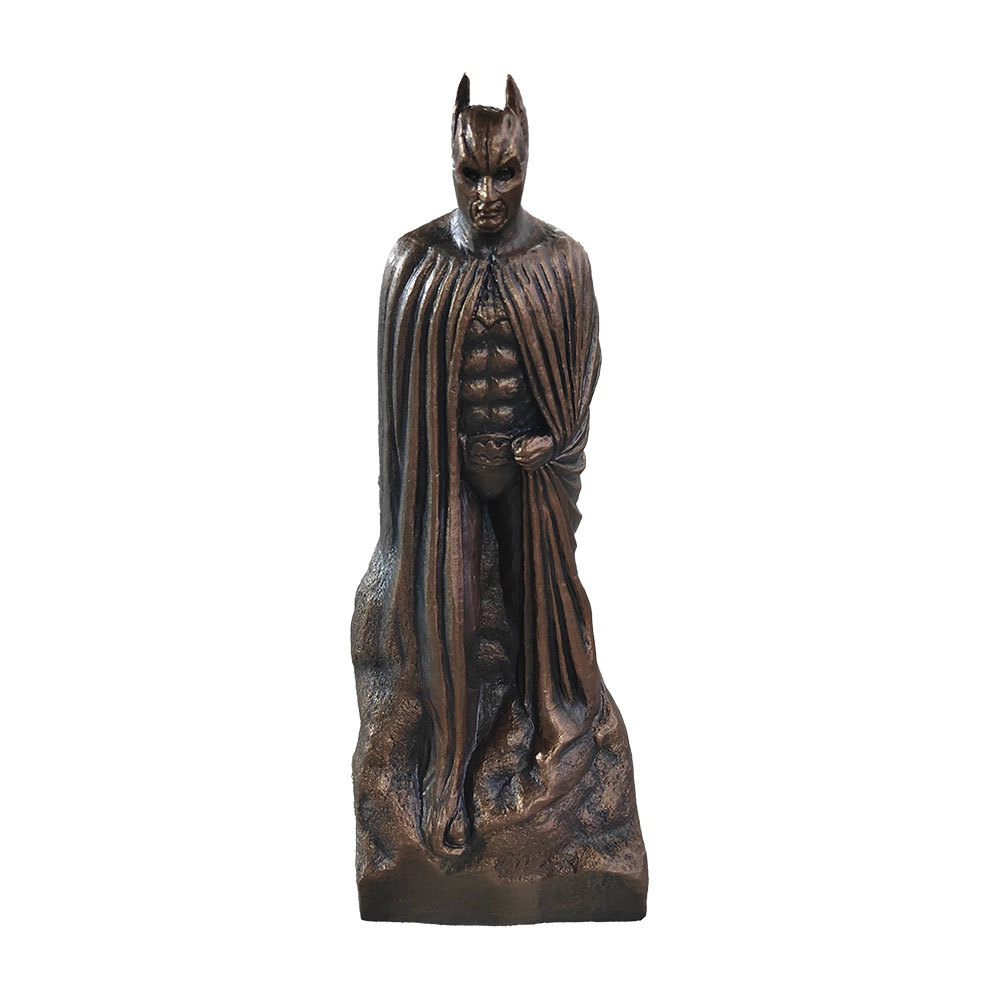
The Art and Craft of Bronze Sculpture: A Timeless Masterpiece
Bronze sculpture represents a unique fusion of art and metallurgy, making it one of the most revered forms of artistic expression throughout history. The process of creating bronze sculptures has evolved over thousands of years, with roots tracing back to ancient civilizations. Today, artists continue to utilize traditional techniques, offering both aesthetic beauty and structural integrity to the
2026/11/20

The Art and Technique of Creating Captivating Granite Sculptures
The Art and Technique of Creating Captivating Granite Sculptures
Table of Contents
Introduction to Granite Sculptures
Choosing the Right Granite for Sculpting
The Design Process: From Concept to Creation
Essential Tools and Techniques for Granite Sculpting
Step-by-Step Sculpting Process
Finishing Touches: Polishing and Sealing Your Sculpture
Caring for Your Granite Scu
2026/11/15

Understanding Memorial Headstones: A Comprehensive Guide for Professionals
Memorial Headstones are significant markers that serve as lasting tributes to dearly departed loved ones. In the realm of funeral and memorial services, understanding the various aspects of memorial headstones is crucial for professionals aiming to provide families with the best options for honoring their loved ones. This article delves into key considerations surrounding memorial headstones, incl
2026/11/10
Get a Quote Today
Looking for a trusted granite memorial supplier?