
The Role of Tombstones in Cultural Traditions Worldwide: A Comprehensive Exploration
2026-01-15 12:30
The Role of Tombstones in Cultural Traditions Worldwide
Introduction: Understanding the Significance of Tombstones
Tombstones, often seen as mere markers of graves, hold profound significance in various cultural traditions around the globe. These structures serve as commemorative symbols, reflecting the values, beliefs, and artistic expressions of different societies. In this article, we will explore the multifaceted role of tombstones in cultural traditions worldwide, examining their historical context, artistic variations, and symbolic meanings.
Table of Contents
- Cultural Importance of Tombstones
- Historical Context of Tombstones
- Artistic Expression in Tombstone Design
- Global Variations of Tombstones
- Symbols and Meanings Associated with Tombstones
- Personalization in Tombstone Designs
- Rituals and Practices Surrounding Tombstones
- The Future of Tombstones in an Evolving Society
- Frequently Asked Questions
Cultural Importance of Tombstones
Tombstones serve as a bridge between the living and the deceased, functioning as a physical representation of remembrance. Across cultures, they fulfill several vital roles:
Commemoration of the Deceased
Tombstones honor individuals who have passed away, celebrating their lives and contributions to their families and communities. Each tombstone tells a unique story, often inscribed with epitaphs that reflect the deceased's character, achievements, and legacy.
Preservation of Cultural Heritage
The design and symbolism of tombstones often reveal insights into a culture's history, beliefs, and practices surrounding death. They serve as lasting artifacts that preserve a civilization's cultural heritage, allowing future generations to connect with their ancestors.
Facilitation of Grieving Processes
For the bereaved, visiting a loved one's tombstone can be a therapeutic experience. It provides a designated space for mourning, reflection, and connection, allowing individuals to process their grief in a meaningful way.
Historical Context of Tombstones
The tradition of erecting tombstones dates back thousands of years, with early examples found in ancient civilizations.
Ancient Civilizations and Tombstones
In ancient Egypt, elaborate tombs and monuments were built to honor pharaohs and nobility, reflecting their beliefs in the afterlife. The pyramids, adorned with hieroglyphics, served not only as burial sites but also as grand statements of power and divinity.
Medieval and Renaissance Eras
During the medieval period in Europe, tombstones evolved into more personalized markers. Intricate carvings and inscriptions became commonplace, with many reflecting the individual's social status and profession. The Renaissance period further saw advancements in artistic expression, with tombstones becoming canvases for rich iconography.
Artistic Expression in Tombstone Design
The design of tombstones varies significantly across cultures, often influenced by local materials, artistic traditions, and religious beliefs.
Local Materials and Techniques
Different regions utilize various materials for tombstone construction. For instance, granite and marble are prevalent in Western cultures, while sandstone and local stone types are common in other parts of the world. The choice of material often reflects the cultural significance and aesthetic preferences of a given society.
Symbolic Artistry
Artistic elements like carvings, motifs, and inscriptions imbue tombstones with deeper meanings. Common symbols include angels, crosses, and flowers, each representing different aspects of life, death, and the afterlife. Understanding these symbols can provide insight into the cultural beliefs surrounding mortality.
Global Variations of Tombstones
Tombstones take on many forms across different cultures, each uniquely reflecting the values and beliefs of the society.
Western Tombstones
In Western cultures, tombstones often feature upright gravestones or flat markers, with inscriptions detailing the individual's name, birth, and death dates. The design may include religious symbols, reflecting the individual's faith.
Asian Tombstones
In many Asian cultures, tombstones are often more elaborate, featuring extended family burial sites and intricate designs. For instance, in Chinese culture, the tradition of ancestor worship is reflected in the design and placement of tombstones, often incorporating symbolic elements like dragons and phoenixes.
African and Indigenous Tombstones
In various African cultures, tombstones may include communal burial grounds with markers that reflect the identity of the deceased, often adorned with tribal symbols. Indigenous cultures may also have distinct burial practices, with markers made from natural materials that signify a connection to the earth.
Symbols and Meanings Associated with Tombstones
Tombstones are rich in symbolism, with various elements representing different aspects of life and death.
Common Symbols
- **Crosses:** Common in Christian cultures, representing faith and resurrection.
- **Angels:** Symbolizing protection and the journey to the afterlife.
- **Flowers:** Often associated with beauty, transience, and the cycle of life.
- **Doves:** Representing peace and the soul's ascent.
Regional Symbolism
Different cultures may attribute specific meanings to symbols based on local beliefs. For example, in Celtic tradition, the knotwork designs found on tombstones signify the interconnectedness of life and death.
Personalization in Tombstone Designs
In modern times, there has been a notable shift towards personalization in tombstone designs, reflecting individuality and specific life stories.
Incorporating Personal Elements
Families often choose to incorporate personal elements such as favorite quotes, images, or hobbies into the design of a tombstone. This customization serves to create a unique tribute that resonates with the deceased's personality and life experiences.
Technological Advancements
Advancements in technology have also facilitated new forms of personalization. Digital tombstones, which may include QR codes linking to memorial websites, allow for a more interactive and comprehensive way to honor a loved one's memory.
Rituals and Practices Surrounding Tombstones
Various cultures have established rituals and practices associated with tombstones, underscoring their importance in the grieving process.
Cleansing and Maintenance
In many cultures, families regularly visit tombstones to clean and maintain them. This practice not only honors the deceased but also reinforces the bond between the living and the dead.
Commemorative Rituals
Certain cultures hold specific commemorative rituals at tombstones, such as lighting candles, offering food, or performing prayers. These acts serve as a means of connecting with the deceased and seeking their guidance or blessings.
The Future of Tombstones in an Evolving Society
As society continues to evolve, so too do the customs and practices surrounding tombstones.
Shifts in Cultural Perceptions
In contemporary society, attitudes towards death and memorialization are shifting towards more personalized and environmentally-friendly options. This includes alternative burial practices and the use of biodegradable materials for tombstones.
Preserving Tradition in Modern Times
While the future may see changes in the physicality of tombstones, the need for memorialization and remembrance remains constant. Balancing innovation with tradition will be essential as cultural values adapt to modern realities.
Frequently Asked Questions
1. What is the historical significance of tombstones?
Tombstones have historically served as markers of burial sites, commemorating the deceased and reflecting cultural beliefs surrounding death and the afterlife.
2. How do tombstone designs vary across cultures?
Tombstone designs vary widely based on regional materials, artistic traditions, and religious beliefs, resulting in distinct styles and symbols representative of each culture.
3. What do common symbols on tombstones represent?
Common symbols on tombstones, such as crosses and angels, often reflect faith, protection, and the cycle of life, each carrying specific meanings tied to cultural beliefs.
4. How can families personalize tombstones?
Families can personalize tombstones by incorporating elements like favorite quotes, images, and symbols that reflect the individual's personality and life experiences.
5. What rituals are associated with maintaining tombstones?
Many cultures engage in rituals such as cleaning, decorating, or holding commemorative ceremonies at tombstones to honor the deceased and maintain a connection with them.
Conclusion
Tombstones are far more than simple markers of death; they are profound cultural artifacts that embody the relationship between the living and the deceased across the globe. Through rich symbolism, unique designs, and meaningful rituals, tombstones reflect the values, beliefs, and artistic expressions of diverse cultures. As we explore the role of tombstones in cultural traditions worldwide, we see that they serve as enduring testaments to our collective human experience, reminding us of the importance of memory, legacy, and connection to our past.
MORE NEWS
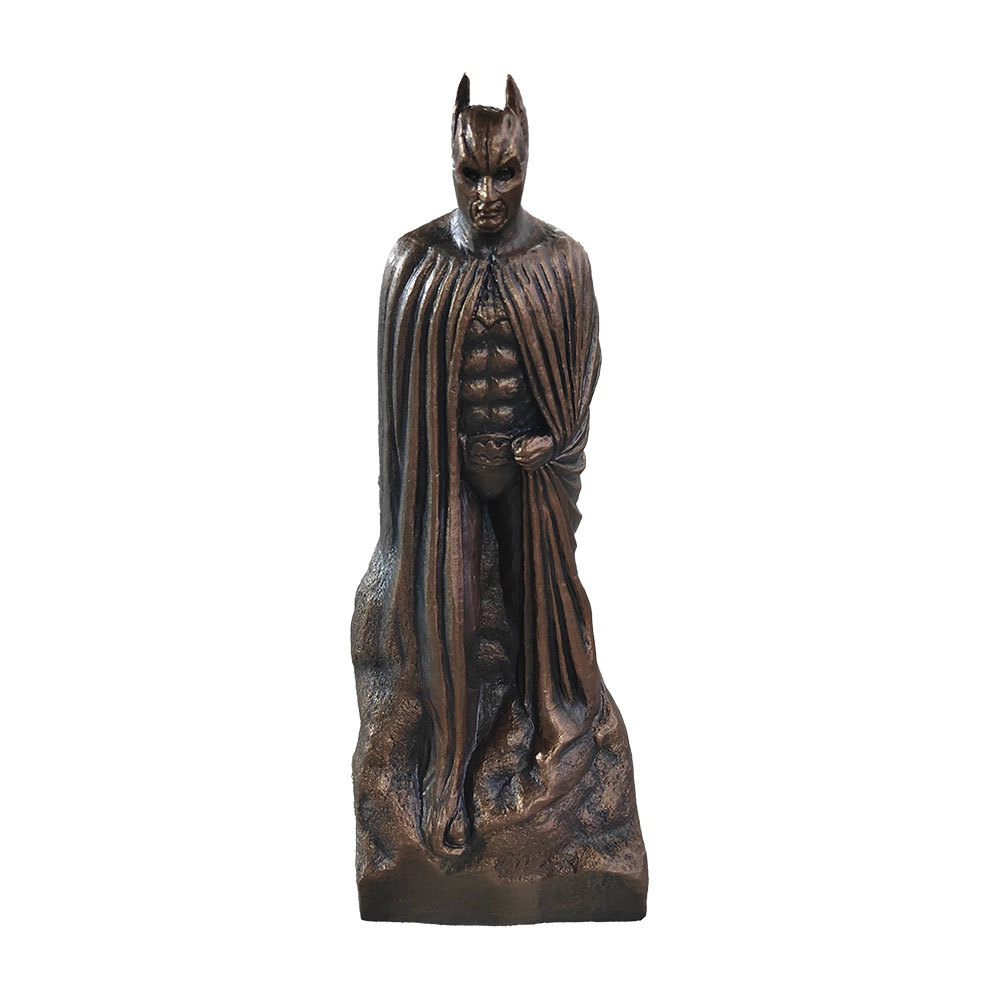
The Art and Craft of Bronze Sculpture: A Timeless Masterpiece
Bronze sculpture represents a unique fusion of art and metallurgy, making it one of the most revered forms of artistic expression throughout history. The process of creating bronze sculptures has evolved over thousands of years, with roots tracing back to ancient civilizations. Today, artists continue to utilize traditional techniques, offering both aesthetic beauty and structural integrity to the
2026/11/20

The Art and Technique of Creating Captivating Granite Sculptures
The Art and Technique of Creating Captivating Granite Sculptures
Table of Contents
Introduction to Granite Sculptures
Choosing the Right Granite for Sculpting
The Design Process: From Concept to Creation
Essential Tools and Techniques for Granite Sculpting
Step-by-Step Sculpting Process
Finishing Touches: Polishing and Sealing Your Sculpture
Caring for Your Granite Scu
2026/11/15

Understanding Memorial Headstones: A Comprehensive Guide for Professionals
Memorial Headstones are significant markers that serve as lasting tributes to dearly departed loved ones. In the realm of funeral and memorial services, understanding the various aspects of memorial headstones is crucial for professionals aiming to provide families with the best options for honoring their loved ones. This article delves into key considerations surrounding memorial headstones, incl
2026/11/10
Get a Quote Today
Looking for a trusted granite memorial supplier?