
Understanding Gravestones: A Guide to Choosing the Right Memorial
2026-01-16 15:10
Gravestones, also known as headstones or tombstones, are important elements in memorializing those who have passed away. They provide a physical marker for graves, allowing family and friends to pay their respects and celebrate the memories of their loved ones. When considering a gravestone, several factors should be taken into account to ensure you choose the right one for your needs and preferences.
First, consider the material of the gravestone. Common options include granite, marble, and bronze. Granite is popular due to its durability and resistance to weathering, while marble offers a classic, elegant appearance. Bronze, often used for plaques, provides a unique aesthetic and can be easily personalized. Each material has its own characteristics, so understanding the differences can help you make an informed choice.
Next, think about the design and style of the gravestone. Gravestones come in various shapes, sizes, and designs, from simple flat markers to elaborate upright monuments. You can choose from traditional designs or opt for more contemporary styles that reflect the personality and preferences of the deceased. Some gravestones allow for intricate carvings or engravings, which can include names, dates, and meaningful symbols, adding a personal touch to the memorial.
Another crucial aspect is the regulations governing gravestones in your chosen cemetery. Different cemeteries have specific guidelines regarding the size, material, and design of gravestones. Before making a purchase, it's a good idea to consult with the cemetery to ensure that your chosen gravestone complies with their rules.
Additionally, consider the placement of the gravestone. It’s essential to select a location that is both visible and accessible to family and friends. Many people choose to place gravestones in a specific orientation, facing east, which is a traditional practice in many cultures. However, personal preferences should also guide this decision.
Maintenance is another factor to keep in mind. Different materials require varying levels of care. Granite, for instance, is relatively low-maintenance, while marble might need more frequent cleaning to preserve its appearance. Understanding the maintenance requirements can help you plan for the long-term care of the gravestone.
Lastly, personalization is key when selecting a gravestone. Many families choose to include special elements that represent the deceased's life, such as hobbies, interests, or religious symbols. This personalization transforms a gravestone from a mere marker into a meaningful tribute that reflects the unique life of the individual.
In conclusion, gravestones play a vital role in honoring and remembering loved ones. By considering material, design, cemetery regulations, placement, maintenance, and personalization, you can make a thoughtful choice that respects the memory of those who have passed and provides comfort to those left behind.
MORE NEWS
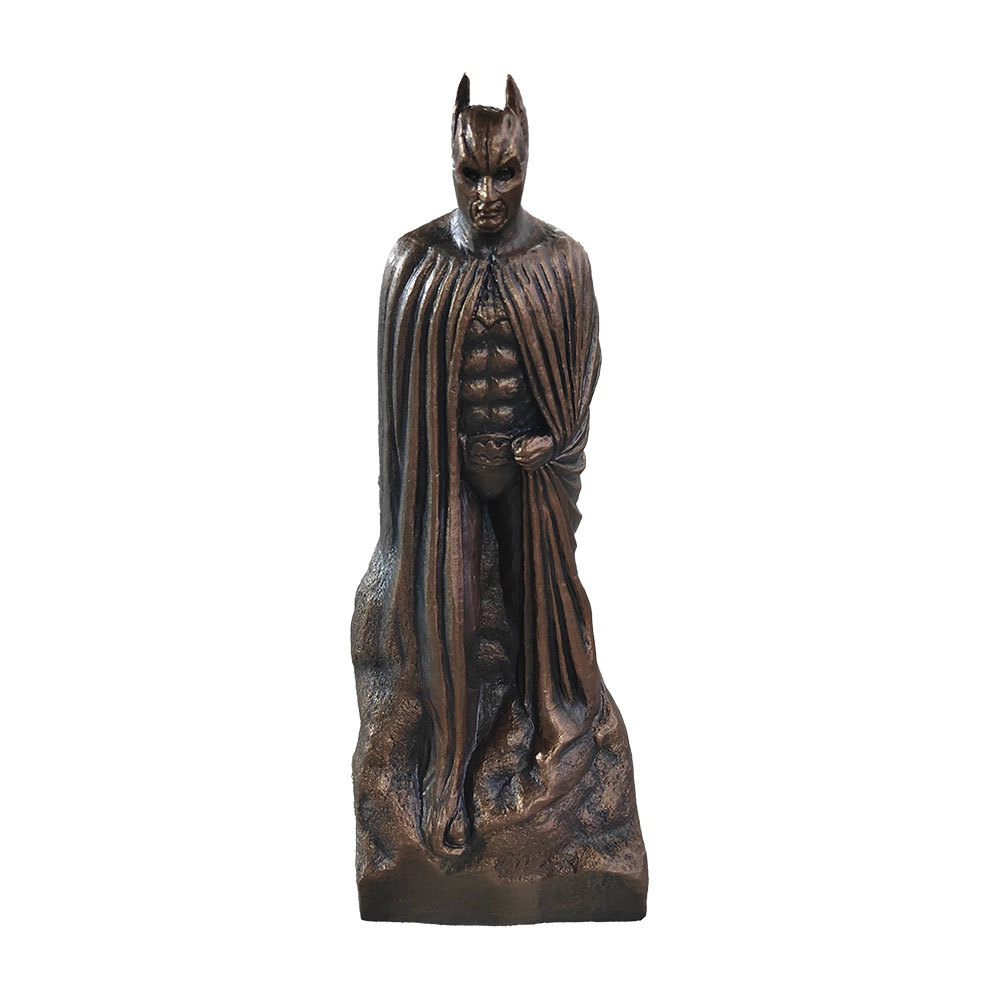
The Art and Craft of Bronze Sculpture: A Timeless Masterpiece
Bronze sculpture represents a unique fusion of art and metallurgy, making it one of the most revered forms of artistic expression throughout history. The process of creating bronze sculptures has evolved over thousands of years, with roots tracing back to ancient civilizations. Today, artists continue to utilize traditional techniques, offering both aesthetic beauty and structural integrity to the
2026/11/20

The Art and Technique of Creating Captivating Granite Sculptures
The Art and Technique of Creating Captivating Granite Sculptures
Table of Contents
Introduction to Granite Sculptures
Choosing the Right Granite for Sculpting
The Design Process: From Concept to Creation
Essential Tools and Techniques for Granite Sculpting
Step-by-Step Sculpting Process
Finishing Touches: Polishing and Sealing Your Sculpture
Caring for Your Granite Scu
2026/11/15

Understanding Memorial Headstones: A Comprehensive Guide for Professionals
Memorial Headstones are significant markers that serve as lasting tributes to dearly departed loved ones. In the realm of funeral and memorial services, understanding the various aspects of memorial headstones is crucial for professionals aiming to provide families with the best options for honoring their loved ones. This article delves into key considerations surrounding memorial headstones, incl
2026/11/10
Get a Quote Today
Looking for a trusted granite memorial supplier?