
Hand Carved Monuments: Embracing the Art of Memorialization
2026-01-17 12:20
Hand Carved Monuments: Embracing the Art of Memorialization
Table of Contents
- Understanding Hand Carved Monuments
- The Historical Significance of Memorialization
- Choosing the Right Material for Hand Carved Monuments
- The Artistry of Hand Carving: Techniques and Tools
- Designing Personalized Monuments
- Caring for Hand Carved Monuments
- Common Myths About Hand Carved Monuments
- Frequently Asked Questions
- Conclusion
Understanding Hand Carved Monuments
Hand carved monuments are more than just stones; they are emotional tributes designed to commemorate the lives of loved ones. These unique pieces reflect personal histories and serve as a place for remembrance. Unlike mass-produced alternatives, hand carved monuments carry the distinct touch of an artist, showcasing the intricate beauty and craftsmanship that goes into each piece. They can range from simple headstones to elaborate sculptures, capturing the essence of the individual they honor.
The Historical Significance of Memorialization
The practice of memorialization dates back to ancient civilizations, where families created monuments to honor those who had passed. From the grand pyramids of Egypt to the ornate sarcophagi of the Romans, memorials have served as both a tribute and a reminder of mortality. In many cultures, the act of commemorating the dead is viewed as a sacred duty, a way to ensure that their memory lives on. Hand carved monuments are a modern extension of this tradition, blending historical significance with contemporary artistry.
The Evolution of Memorialization Practices
Over time, memorialization has evolved, influenced by cultural changes, technological advancements, and artistic movements. From the Gothic cathedrals of the Middle Ages to modern minimalist designs, each era has contributed its unique style to the art of memorialization. Hand carved monuments have remained a steadfast choice, valued for their durability and the personal touch they offer.
Choosing the Right Material for Hand Carved Monuments
Selecting the appropriate material is crucial in creating lasting hand carved monuments. Different materials offer various aesthetic qualities, durability, and costs.
Types of Stone Used in Hand Carved Monuments
1. **Granite**: Renowned for its strength and resistance to weathering, granite is a popular choice for hand carved monuments. It comes in a variety of colors and finishes, allowing for a customizable look.
2. **Marble**: Known for its elegance and smooth finish, marble is favored for artistic designs. However, it is more prone to weathering than granite, requiring additional care.
3. **Limestone**: This softer stone allows for intricate detailing but may not hold up as well in harsh weather conditions.
4. **Sandstone**: Similar to limestone, sandstone is easy to carve but can deteriorate more quickly over time.
The Artistry of Hand Carving: Techniques and Tools
The art of hand carving requires skill, precision, and an understanding of the stone being worked with. Craftsmen often use a variety of tools to achieve the desired design.
Essential Tools for Hand Carving
- **Chisels**: Various types of chisels, including point, flat, and curved chisels, allow artists to create different textures and shapes.
- **Hammers**: A hammer is essential for striking the chisel and shaping the stone. Different weights and styles can affect the carving technique.
- **Drills**: For more intricate designs, drills are used to create fine details or hollow out sections of the stone.
Techniques Employed by Craftsmen
- **Pointing Machine Technique**: This method involves creating a scaled model of the monument to ensure accurate measurements and proportions in the final piece.
- **Freehand Carving**: Skilled artisans may choose to carve freehand, relying on their experience and intuition to create unique designs.
- **Sandblasting**: This technique is often used for adding detailed inscriptions or patterns to the monument's surface.
Designing Personalized Monuments
Personalization is key in creating a meaningful hand carved monument. Families often collaborate with artisans to design a piece that reflects the personality and life of the deceased.
Incorporating Unique Elements into the Design
Elements such as symbols, quotes, and images can add a personal touch to hand carved monuments. Considerations may include:
- **Religious Symbols**: Many choose to incorporate symbols that reflect their faith or beliefs.
- **Personal Hobbies**: Including motifs related to the deceased's interests, such as music notes, sports equipment, or nature themes.
- **Custom Inscriptions**: Crafting a meaningful phrase or quote can capture the essence of the individual and serve as a lasting remembrance.
Caring for Hand Carved Monuments
To maintain the beauty and integrity of hand carved monuments, regular care and maintenance are essential.
Basic Maintenance Tips
- **Cleaning**: Gently wash the monument with a soft brush and mild soap to remove dirt and debris. Avoid harsh chemicals that can damage the stone.
- **Inspecting for Damage**: Regularly check for cracks, chips, or other signs of wear. Early detection can prevent more significant issues.
- **Sealing**: Depending on the material, applying a sealant can help protect against moisture and staining.
Common Myths About Hand Carved Monuments
Many misconceptions surround hand carved monuments, which can lead to uncertainty among families considering these meaningful tributes.
Dispelling the Myths
- **Myth 1: Hand Carved Monuments Are Too Expensive**: While costs can vary, many options exist to fit different budgets.
- **Myth 2: They Require Too Much Maintenance**: With proper initial care and regular check-ups, maintenance can be manageable.
- **Myth 3: All Hand Carved Monuments Look the Same**: Each artist brings a unique style, and personalization options ensure that no two pieces are identical.
Frequently Asked Questions
1. How long does it take to create a hand carved monument?
The time frame can vary depending on the complexity of the design, but generally, it can take several weeks to months.
2. Can I see a sample of the artist's previous work?
Most reputable artisans will provide a portfolio of their work to help you choose the right style for your monument.
3. What factors should I consider when choosing a site for the monument?
Consider factors such as visibility, accessibility, and local regulations regarding monument placement.
4. Are there any regulations regarding inscriptions on monuments?
Regulations vary by location, so it’s essential to check with local authorities or cemetery management.
5. Can I make changes to the design after the carving process has begun?
Modifications can be difficult once the carving has started, so it’s best to finalize designs before work begins.
Conclusion
Hand carved monuments represent a beautiful blend of artistry and memorialization, offering families a way to honor their loved ones with unique and personal tributes. Understanding the materials, techniques, and design options involved in creating these memorials can help individuals make informed decisions when selecting a monument. By embracing the art of hand carving, we not only celebrate the lives of those we have lost but also contribute to a rich tradition that honors memory, love, and legacy. Through careful consideration and personalization, hand carved monuments can become enduring symbols of remembrance, reflective of the beautiful stories that define our loved ones.
MORE NEWS
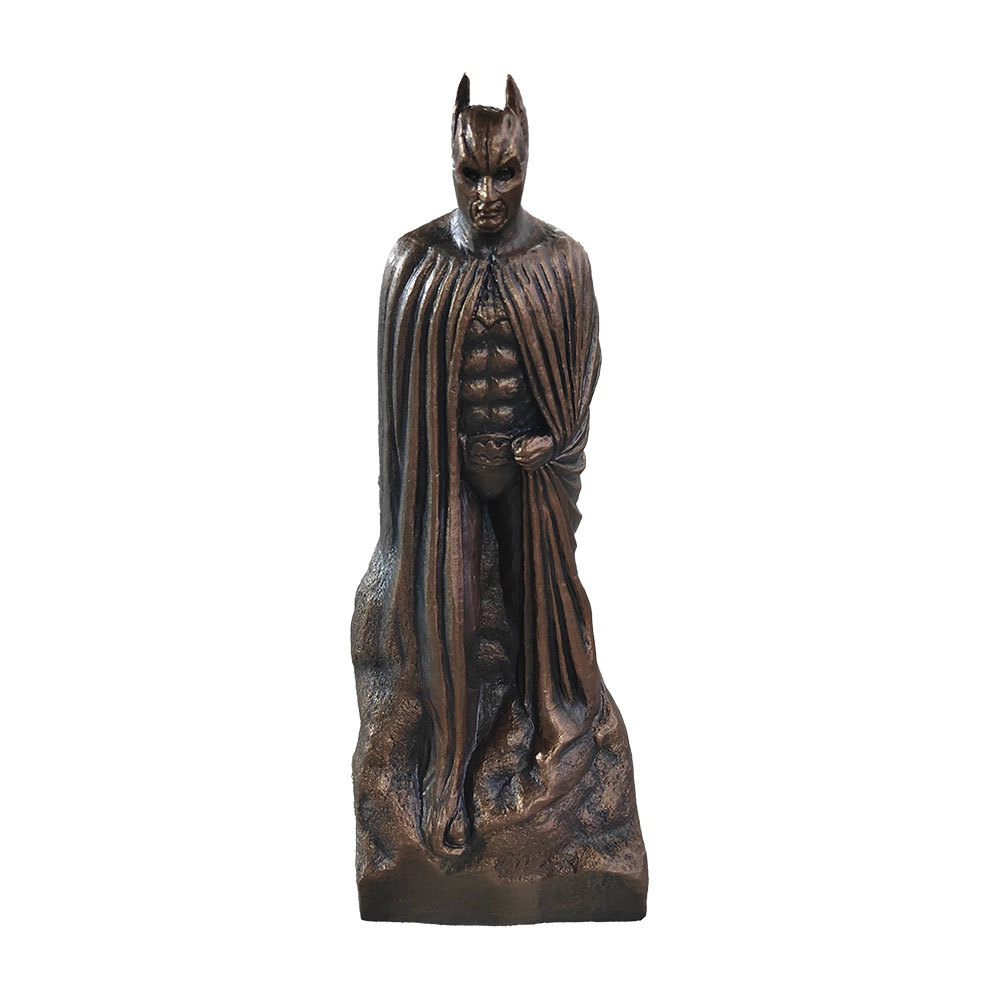
The Art and Craft of Bronze Sculpture: A Timeless Masterpiece
Bronze sculpture represents a unique fusion of art and metallurgy, making it one of the most revered forms of artistic expression throughout history. The process of creating bronze sculptures has evolved over thousands of years, with roots tracing back to ancient civilizations. Today, artists continue to utilize traditional techniques, offering both aesthetic beauty and structural integrity to the
2026/11/20

The Art and Technique of Creating Captivating Granite Sculptures
The Art and Technique of Creating Captivating Granite Sculptures
Table of Contents
Introduction to Granite Sculptures
Choosing the Right Granite for Sculpting
The Design Process: From Concept to Creation
Essential Tools and Techniques for Granite Sculpting
Step-by-Step Sculpting Process
Finishing Touches: Polishing and Sealing Your Sculpture
Caring for Your Granite Scu
2026/11/15

Understanding Memorial Headstones: A Comprehensive Guide for Professionals
Memorial Headstones are significant markers that serve as lasting tributes to dearly departed loved ones. In the realm of funeral and memorial services, understanding the various aspects of memorial headstones is crucial for professionals aiming to provide families with the best options for honoring their loved ones. This article delves into key considerations surrounding memorial headstones, incl
2026/11/10
Get a Quote Today
Looking for a trusted granite memorial supplier?