
The Role of Gravestones in Honoring Cultural Traditions
2026-02-02 14:00
The Role of Gravestones in Honoring Cultural Traditions
Gravestones, often seen as mere markers of a final resting place, hold much greater significance than their physical presence suggests. They serve as a bridge between the living and the departed, encapsulating cultural traditions, artistic expression, and deep personal narratives. In this article, we explore the multifaceted role of gravestones in honoring cultural traditions from around the globe.
Understanding the Historical Context of Gravestones
Gravestones have been utilized across various civilizations for centuries. The evolution of these markers reflects changes in cultural practices, religious beliefs, and artistic trends.
Ancient Civilizations and Their Gravestones
From the elaborate stone tombs of ancient Egypt to the simple burial mounds of indigenous tribes, gravestones have been crafted to honor the deceased and provide a memorial for the living. In ancient Egypt, for instance, the pyramids served not only as monumental structures but also as symbols of the afterlife’s importance in their culture.
The Role of Religion in Shaping Gravestones
Religion has often influenced the design and inscription of gravestones. For example, in Christianity, gravestones frequently feature crosses and biblical verses, reflecting the faith of the deceased and providing comfort to the bereaved. In contrast, Buddhist gravestones often include symbols like the lotus flower or inscriptions in Pali, representing enlightenment and rebirth.
The Symbolism Behind Gravestone Designs
Gravestones are often intricately designed to convey deeper meanings. The choice of materials, shapes, and symbols can vary widely, each carrying significance.
Material Choices and Their Significance
Common materials used in gravestone construction include granite, marble, and limestone. Granite, known for its durability, symbolizes strength and permanence. Marble, with its smooth surface and elegance, often reflects grace and beauty. Limestone, being more porous, is sometimes chosen for its accessibility in local regions.
Shapes and Symbols in Gravestone Design
The shape of a gravestone can also convey specific messages. Flat gravestones symbolize humility, while upright stones denote a more prominent status or importance in life. Additionally, symbols such as angels often represent protection, while doves symbolize peace and the soul’s ascent.
Gravestones in Different Cultural Contexts
The role and significance of gravestones can vary significantly across cultures.
Gravestones in Western Cultures
In many Western cultures, gravestones are often personalized with epitaphs that reflect the personality or achievements of the deceased. The use of family names and heraldic symbols represents lineage and heritage, helping the living remember their roots.
Gravestones in Eastern Cultures
Conversely, in many Eastern cultures, the focus may be more on the collective rather than the individual. For instance, in Chinese culture, gravestones are part of a larger practice known as ancestor worship. Here, the gravestone serves as a focal point for family gatherings where offerings are made to honor deceased ancestors, reinforcing familial bonds and respect for heritage.
Modern Trends in Gravestone Design
Recent years have seen a shift in gravestone design, with an increasing emphasis on personalization and innovation.
Personalized Gravestones
As families seek to honor their loved ones in unique ways, personalized gravestones have gained popularity. Families may choose to include photographs, favorite quotes, or even representations of hobbies and passions, ensuring that the gravestone reflects the character of the deceased.
Eco-Friendly Gravestones
As society becomes more environmentally conscious, eco-friendly gravestones are emerging. Materials like biodegradable urns and living memorials, such as trees planted in memory of the deceased, demonstrate a commitment to sustainability while honoring the legacy of loved ones.
The Cultural Importance of Gravestones
Gravestones play an essential role in cultural identity, serving as reminders of shared history and collective memory.
Gravestones as Historical Artifacts
Gravestones can provide insights into genealogical information, local history, and cultural evolution. They serve as historical artifacts that can help researchers and historians piece together the past.
Connecting Communities Through Gravestones
Gravestones can also foster community connections. When families gather at cemeteries to pay their respects, they participate in a shared tradition that strengthens communal ties and cultural identity.
Preserving Cultural Heritage Through Gravestones
As cultural landscapes evolve, the preservation of traditional gravestone practices has become increasingly important.
Challenges in Gravestone Preservation
Many gravestones face threats from environmental factors, urban development, and a lack of maintenance. Efforts to preserve these sites are crucial for maintaining cultural heritage and ensuring that future generations can connect with their history.
Community Initiatives for Preservation
Local communities often take the lead in preserving gravestones through initiatives such as restoration projects and educational programs. These efforts not only protect the gravestones but also instill a sense of pride and ownership in the cultural heritage they represent.
Gravestones and Emotional Healing
Gravestones serve not only as memorials but also as aids in the grieving process for many families.
The Psychological Importance of Visiting Gravestones
Visiting a gravestone can be a therapeutic experience, allowing individuals to process their grief and find closure. The act of engaging with the gravestone can foster a sense of connection with the deceased, facilitating ongoing relationships even after their passing.
Creating Spaces for Reflection
Many cemeteries are designed with contemplative spaces that enhance the visiting experience. Features like gardens, benches, and water elements can provide a tranquil environment for reflection and remembrance.
FAQs About Gravestones and Cultural Traditions
1. What are the different types of gravestones?
Gravestones come in various shapes and materials, including headstones, flat markers, and mausoleums. Each type varies in design and cultural significance.
2. How do cultural traditions influence gravestone design?
Cultural practices, religious beliefs, and local customs shape the materials, symbols, and inscriptions found on gravestones, reflecting the values and history of a community.
3. What materials are commonly used for gravestones?
Common materials include granite, marble, limestone, and sometimes wood or biodegradable materials for eco-friendly options.
4. Why is personalization important in gravestone design?
Personalization allows families to honor their loved ones in meaningful ways, reflecting their unique personalities, interests, and legacies.
5. How can communities get involved in preserving gravestones?
Communities can engage in preservation efforts through fundraising for restoration projects, organizing clean-up days, and raising awareness about the importance of maintaining these cultural landmarks.
Conclusion
Gravestones are much more than markers of death; they are rich symbols of cultural identity, collective memory, and emotional healing. By honoring the traditions associated with gravestones, we not only pay tribute to our loved ones but also preserve the cultural narratives that shape our understanding of life and death. As we continue to explore and celebrate the significance of gravestones across various cultures, we enrich our appreciation for the diverse ways in which humanity honors its past.
MORE NEWS

The Art and Craft of Bronze Sculpture: A Timeless Masterpiece
Bronze sculpture represents a unique fusion of art and metallurgy, making it one of the most revered forms of artistic expression throughout history. The process of creating bronze sculptures has evolved over thousands of years, with roots tracing back to ancient civilizations. Today, artists continue to utilize traditional techniques, offering both aesthetic beauty and structural integrity to the
2026/11/20

The Art and Technique of Creating Captivating Granite Sculptures
The Art and Technique of Creating Captivating Granite Sculptures
Table of Contents
Introduction to Granite Sculptures
Choosing the Right Granite for Sculpting
The Design Process: From Concept to Creation
Essential Tools and Techniques for Granite Sculpting
Step-by-Step Sculpting Process
Finishing Touches: Polishing and Sealing Your Sculpture
Caring for Your Granite Scu
2026/11/15
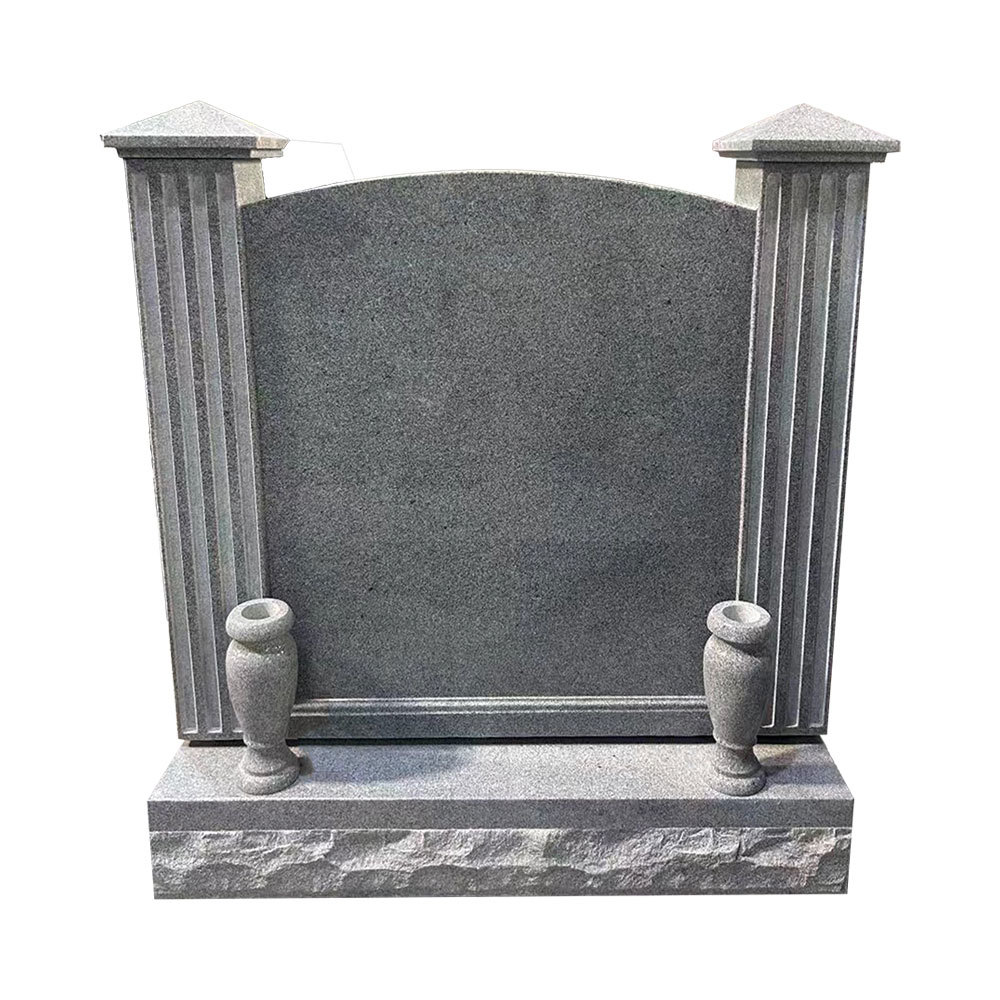
Understanding Memorial Headstones: A Comprehensive Guide for Professionals
Memorial Headstones are significant markers that serve as lasting tributes to dearly departed loved ones. In the realm of funeral and memorial services, understanding the various aspects of memorial headstones is crucial for professionals aiming to provide families with the best options for honoring their loved ones. This article delves into key considerations surrounding memorial headstones, incl
2026/11/10
Get a Quote Today
Looking for a trusted granite memorial supplier?