
A Comprehensive Guide to Tombstone Engravings: Crafting Lasting Tributes
2026-02-06 12:20
A Comprehensive Guide to Tombstone Engravings: Crafting Lasting Tributes
Table of Contents
- Understanding Tombstone Engravings
- The Historical Significance of Tombstone Engravings
- Types of Engravings: A Closer Look
- Choosing the Right Fonts and Styles
- Materials Used in Tombstone Engravings
- Customization Options for Personalization
- Maintenance and Care for Engravings
- Common Questions About Tombstone Engravings
- Conclusion
Understanding Tombstone Engravings
Tombstone engravings serve a significant purpose: they provide a lasting tribute to the lives of those who have passed away. These inscriptions not only mark the grave but also encapsulate the essence of an individual's life, beliefs, and legacy. In this section, we delve into what tombstone engravings are, their purpose, and the emotions they evoke in loved ones.
Engravings can range from simple names and dates to elaborate designs that weave personal stories into stone. When visiting a cemetery, these inscriptions invite reflection, remembrance, and, most importantly, connection. Understanding the emotional and cultural significance of these engravings allows us to appreciate the artistry and thoughtfulness behind them.
The Historical Significance of Tombstone Engravings
Tombstone engravings have existed for centuries, evolving through different cultures and historical contexts. Ancient civilizations, such as the Egyptians and Greeks, used engravings not only to honor the deceased but also to communicate messages about life and death. The symbolism in these engravings varied significantly across cultures, reflecting their beliefs about the afterlife.
In the Middle Ages, grave markers became more elaborate, with intricate carvings and inscriptions. This period saw the introduction of religious imagery and texts, emphasizing the spiritual connection between the living and the dead. The Renaissance period further transformed tombstone engravings, as artists began to incorporate humanistic elements and portraits, making these memorials not just markers but also works of art.
Today, the practice continues to evolve. Modern technology allows for precision and creativity in engravings, enabling families to create unique tributes that resonate on a personal level.
Types of Engravings: A Closer Look
Tombstone engravings can be categorized into several types, each serving different purposes and styles.
1. Traditional Engravings
Traditional engravings typically include the deceased's name, birthdate, and date of death. These standard elements provide essential information. Families often opt for traditional engravings for their simplicity and timelessness.
2. Artistic Engravings
Artistic engravings encompass a range of designs, including floral motifs, religious symbols, or personal emblems. These engravings convey the personality and passions of the deceased. For instance, a family member who loved gardening might have floral engravings, while a musician might feature musical notes or instruments.
3. Portrait Engravings
Advancements in engraving technology allow for detailed portrait engravings on tombstones. These images can capture the likeness of the deceased, offering a more personal connection for those visiting the grave. Portraits can be added as part of the tombstone's design or as a separate plaque.
4. Memorial Quotes and Epitaphs
Including a meaningful quote or epitaph adds a layer of personal touch to a tombstone. Families often choose phrases that reflect the character or values of their loved ones. Inspirational quotes or religious verses can evoke feelings of hope and remembrance.
Choosing the Right Fonts and Styles
When selecting fonts and styles for tombstone engravings, several factors come into play. The choice of font can significantly influence the appearance and readability of the inscription.
1. Font Types
Common font types for engravings include serif, sans-serif, and script fonts. Serif fonts, with their decorative edges, often lend a classic and formal look. Sans-serif fonts are modern and clean, making them easy to read. Script fonts can add a personal touch but may be less legible—especially from a distance.
2. Size and Spacing
Proper sizing and spacing are crucial for ensuring that engravings are clear and visually appealing. Families should consider how the engraving will look from various distances. Adequate spacing between letters and words can enhance readability and overall aesthetics.
3. Combining Styles
Combining different font styles can create a unique and harmonious design. For example, using a bold serif font for the name, paired with a script font for an epitaph, can make the inscription stand out while maintaining an elegant appearance.
Materials Used in Tombstone Engravings
The materials chosen for tombstone engravings play a significant role in their durability and aesthetic appeal. Here are some commonly used materials:
1. Granite
Granite is one of the most popular materials for tombstones due to its durability and resistance to weathering. It comes in various colors and can be polished to a smooth finish, providing an elegant backdrop for engravings.
2. Marble
Marble is revered for its beauty and elegance. While it is softer than granite, making it easier to engrave, it is also more susceptible to weathering. Families often choose marble for its classic aesthetics.
3. Bronze
Bronze plaques are frequently used for memorials and can be attached to granite or marble headstones. This metal provides a timeless appearance and is resistant to corrosion.
4. Limestone
Limestone offers a softer alternative for engravings. While it can be intricately carved, it may not hold up as well as granite or bronze over time due to its susceptibility to erosion.
Customization Options for Personalization
Personalization is a crucial aspect of tombstone engravings, allowing families to create a unique tribute that reflects the individuality of the deceased. Here are some popular customization options:
1. Symbolic Graphics
Many families opt for symbolic graphics that represent their loved ones' hobbies, interests, or beliefs. Common symbols include crosses, angels, animals, and nature elements that capture the essence of their life.
2. Personalized Messages
Beyond names and dates, families can include personalized messages or quotes that encapsulate the spirit of the deceased. This can be a powerful way to convey love, remembrance, and the impact the individual had on others.
3. Color Inlays
Some engravers offer the option to include colored inlays in the engraving, adding vibrancy and depth to the design. This technique can highlight specific elements, making the engraving more visually striking.
4. Multi-Sided Designs
Families can choose to engrave on multiple sides of a tombstone, allowing for a more comprehensive representation of their loved one. This approach enables the inclusion of additional memories, stories, or symbols.
Maintenance and Care for Engravings
Maintaining tombstone engravings is vital to ensure their longevity and appearance. Here are essential tips for caring for these memorials:
1. Regular Cleaning
Routine cleaning helps remove dirt, grime, and algae that can accumulate over time. Use a soft brush and mild soap to gently scrub the surface. Avoid using harsh chemicals that might damage the stone.
2. Avoid Harsh Weather Conditions
If possible, consider installing protective elements, such as overhangs or strategic landscaping, to shield engravings from harsh weather conditions. This can prolong the life of the engraving.
3. Inspect for Damage
Regularly inspect the engraving for any signs of wear or damage. If cracks or fading occurs, consider consulting a professional for restoration options.
Common Questions About Tombstone Engravings
1. How long does it take to engrave a tombstone?
The time it takes to engrave a tombstone can vary, but it typically ranges from a few days to several weeks, depending on the complexity of the design and the engraver's schedule.
2. Can I change the engraving after it's done?
Yes, it is possible to add or change engravings after the initial installation, although this may require professional assistance and can incur additional costs.
3. What is the average cost of a tombstone engraving?
The cost can vary widely based on factors such as material, size, complexity of the design, and location. On average, families might spend anywhere from $500 to $4,000.
4. Are there specific regulations for tombstone engravings?
Many cemeteries have guidelines regarding the size, style, and materials for engravings. It’s essential to check with the cemetery before making a final decision.
5. How can I choose the right engraving for my loved one?
Consider the personality, values, and interests of your loved one when selecting an engraving. Personal touches, such as quotes or symbols that represent them, can create a meaningful tribute.
Conclusion
In conclusion, tombstone engravings provide a profound way to honor and remember those we've lost. By understanding the artistry, history, and customization options available, families can create meaningful tributes that resonate for generations. The choices in material, style, and personal touches allow for unique expressions of love and remembrance that stand the test of time. As we navigate the delicate subject of loss, tombstone engravings remind us of the beauty of life and the indelible marks we leave behind.
MORE NEWS
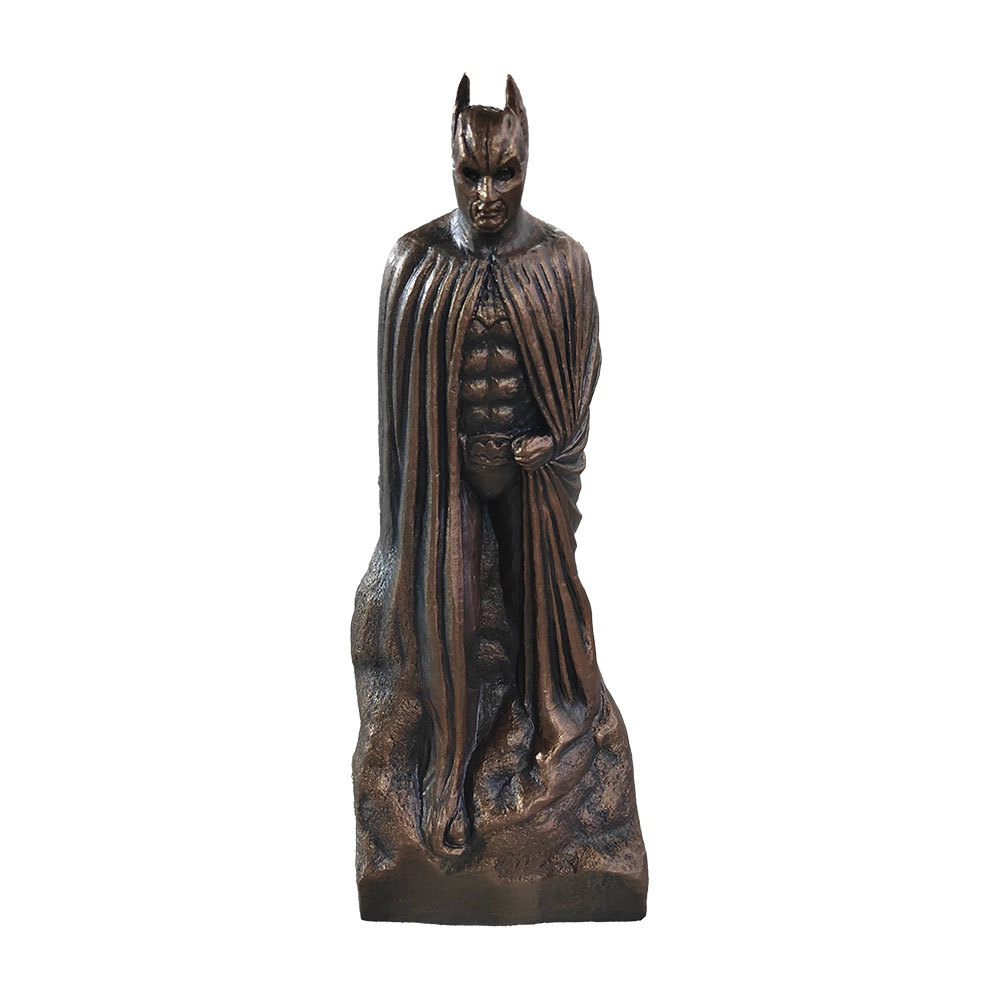
The Art and Craft of Bronze Sculpture: A Timeless Masterpiece
Bronze sculpture represents a unique fusion of art and metallurgy, making it one of the most revered forms of artistic expression throughout history. The process of creating bronze sculptures has evolved over thousands of years, with roots tracing back to ancient civilizations. Today, artists continue to utilize traditional techniques, offering both aesthetic beauty and structural integrity to the
2026/11/20

The Art and Technique of Creating Captivating Granite Sculptures
The Art and Technique of Creating Captivating Granite Sculptures
Table of Contents
Introduction to Granite Sculptures
Choosing the Right Granite for Sculpting
The Design Process: From Concept to Creation
Essential Tools and Techniques for Granite Sculpting
Step-by-Step Sculpting Process
Finishing Touches: Polishing and Sealing Your Sculpture
Caring for Your Granite Scu
2026/11/15

Understanding Memorial Headstones: A Comprehensive Guide for Professionals
Memorial Headstones are significant markers that serve as lasting tributes to dearly departed loved ones. In the realm of funeral and memorial services, understanding the various aspects of memorial headstones is crucial for professionals aiming to provide families with the best options for honoring their loved ones. This article delves into key considerations surrounding memorial headstones, incl
2026/11/10
Get a Quote Today
Looking for a trusted granite memorial supplier?