
The Timeless Appeal of Handmade Granite Sculptures: An Artistic Journey
2026-03-28 09:40
The Timeless Appeal of Handmade Granite Sculptures
When it comes to art that resonates with timelessness, **handmade granite sculptures** stand out as a marvel of craftsmanship and cultural significance. These art pieces not only add aesthetic value to a space but also tell stories of history, nature, and human emotion. In this in-depth exploration of granite sculptures, we will journey through their appeal, craftsmanship, and various applications in modern decor.
Understanding Granite: The Foundation of Sculpture
Granite is a natural stone that has been revered for centuries due to its durability and aesthetic qualities. Composed primarily of quartz, feldspar, and mica, this igneous rock offers a range of colors and textures that artisans can manipulate into stunning forms.
The Geological Journey of Granite
Granite forms deep within the Earth’s crust under extreme heat and pressure. Over millions of years, geological processes expose granite to the surface, where it can be mined and transformed into artistic creations. This unique origin contributes to the distinct patterns and colors found in each piece, making every sculpture one of a kind.
Why Choose Handmade Granite Sculptures?
Choosing **handmade granite sculptures** comes with several advantages:
- Unique Aesthetic: Each sculpture possesses a uniqueness that mass-produced items cannot replicate.
- Durability: Granite’s strength ensures that sculptures can withstand the elements and remain beautiful for generations.
- Emotional Connection: The human touch involved in crafting these sculptures infuses them with emotion and personality.
The Craftsmanship Behind Handmade Granite Sculptures
The making of a granite sculpture is a meticulous process that requires skill, patience, and a deep understanding of the material.
From Concept to Creation
The journey of a granite sculpture begins with an idea. Artists often sketch their concepts and select the ideal granite block, taking into account the stone’s unique patterns and colors. The process involves:
- Designing: Creating detailed sketches and plans.
- Carving: Using chisels, hammers, and modern tools to bring the design to life.
- Finishing: Polishing and refining the surface to enhance the natural beauty of the granite.
The Tools of the Trade
Artisans utilize a variety of tools and techniques to perfect their creations:
- Hand Tools: Traditional chisels and mallets are often used for detailed work.
- Power Tools: Modern sculptors might employ diamond blades and grinders for efficiency and precision.
- Finishing Tools: Sanding and polishing pads enhance the sculpture's texture and sheen.
Types of Handmade Granite Sculptures
Granite sculptures come in various forms, each serving different artistic and functional purposes.
Abstract Sculptures
These pieces often challenge perceptions, encouraging viewers to interpret the work in their own way. Abstract granite sculptures may feature smooth curves and sharp angles, inviting contemplation and emotional responses.
Figurative Sculptures
Figurative granite sculptures depict human figures, animals, or mythical creatures. These pieces often capture movement and emotion, showcasing the artist's skill in conveying life through stone.
Notable Examples of Figurative Sculptures
Some renowned figurative sculptures include:
- The “David” by Michelangelo, which, while not granite, showcases the skill needed for carving stone figures.
- Modern works by contemporary artists that utilize granite to explore themes of identity and existence.
Granite Relief Sculptures
Relief sculptures are carved into a flat piece of stone, creating a three-dimensional effect. These works often tell stories or depict historical events, offering a glimpse into different cultures and times.
The Cultural Significance of Granite Sculptures
Granite sculptures have deep cultural roots in many societies. They often represent not just artistic expression but also convey historical significance.
Granite in Ancient Civilizations
Throughout history, granite has been used in monumental architecture and sculptures. Ancient Egyptians carved granite into massive statues to honor their pharaohs. Similarly, the Romans used granite in various structures, showcasing its importance in cultural heritage.
Modern Interpretations and Uses
In contemporary art, artists are pushing the boundaries of granite sculptures, incorporating modern themes and innovative techniques. These pieces often serve as public art installations, enhancing urban landscapes and inviting public interaction.
Incorporating Handmade Granite Sculptures into Your Space
Handmade granite sculptures can elevate the aesthetic appeal of any environment, be it residential or commercial.
Outdoor Spaces
Granite sculptures can enhance gardens, parks, and courtyards. Their durability makes them suitable for outdoor placement, where they can withstand the elements while providing visual interest.
Indoor Decor
Using granite sculptures as focal points in living rooms, offices, or galleries adds an element of sophistication. Their unique textures and forms can serve as conversation starters and enhance the overall ambiance.
Choosing the Right Sculpture for Your Space
Selecting the perfect sculpture involves considering the following:
- Size: Ensure the scale of the sculpture complements the surrounding space.
- Style: Choose a piece that aligns with your interior design theme.
- Color: Consider the granite's color and how it interacts with other elements in your environment.
Maintaining Handmade Granite Sculptures
Ensuring the longevity of granite sculptures requires proper care and maintenance.
Cleaning and Care Tips
To maintain their appearance, follow these guidelines:
- Regular Dusting: Use a soft cloth to remove dust and debris.
- Gentle Cleaning: Use mild soap and water for deeper cleaning, avoiding harsh chemicals.
- Inspection: Regularly check for cracks or damage, particularly in outdoor sculptures.
FAQs About Handmade Granite Sculptures
1. How long does it take to create a handmade granite sculpture?
The time required varies based on the complexity and size of the sculpture. Smaller pieces may take a few weeks, while larger, intricate works can take several months or longer.
2. Are granite sculptures suitable for outdoor display?
Yes, granite sculptures are highly durable and can withstand various weather conditions, making them ideal for outdoor spaces.
3. How do I choose a granite sculpture for my home?
Consider the size, style, and color of the sculpture in relation to your existing decor. It's essential to select a piece that resonates with you personally.
4. Can granite sculptures be repaired if damaged?
Yes, skilled artisans can repair chips or cracks in granite sculptures, although restoration may change the original appearance slightly.
5. Where can I purchase handmade granite sculptures?
Handmade granite sculptures are available at art galleries, craft fairs, and online platforms that specialize in unique art pieces.
Conclusion
The allure of **handmade granite sculptures** lies in their artistry and the stories they tell. From their geological origins to their cultural significance and modern applications, granite sculptures are more than mere decorations; they are expressions of human creativity and emotion. Incorporating these timeless pieces into your space not only enhances its beauty but also connects you to a rich tradition of craftsmanship that has existed for millennia. As you explore the world of handmade granite sculptures, you will undoubtedly find a piece that resonates with your personal aesthetic and values, allowing you to enjoy a unique blend of artistry and history in your surroundings.
MORE NEWS

The Art and Craft of Bronze Sculpture: A Timeless Masterpiece
2026/11/20

The Art and Technique of Creating Captivating Granite Sculptures
2026/11/15
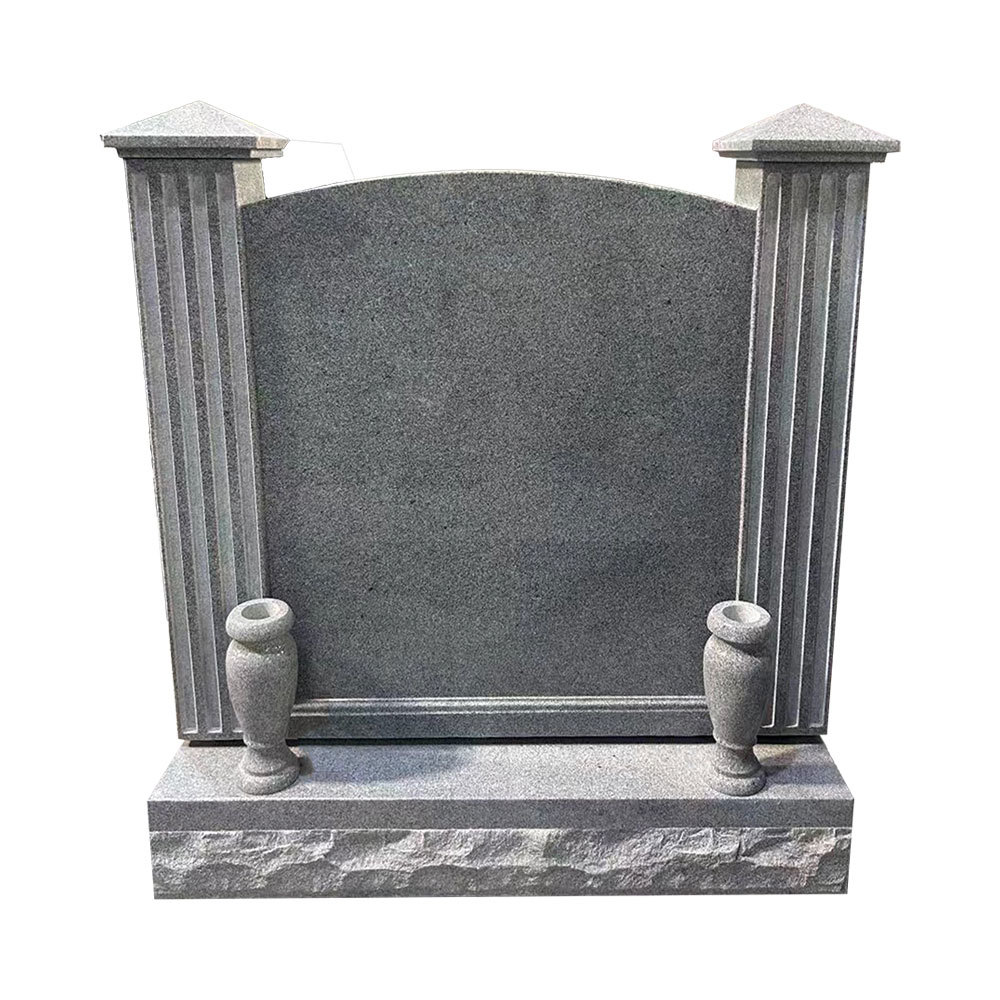
Understanding Memorial Headstones: A Comprehensive Guide for Professionals
2026/11/10
Get a Quote Today
Looking for a trusted granite memorial supplier?