
Exploring the Artistic Techniques Behind Granite Sculpture Creation
2026-04-15 10:10
Exploring the Artistic Techniques Behind Granite Sculpture Creation
Table of Contents
- Introduction to Granite Sculpture
- A Brief History of Granite Sculpture
- Choosing the Right Granite: Types and Properties
- Essential Tools for Granite Sculpture
- Artistic Techniques in Granite Sculpture Creation
- Designing Your Sculpture: From Concept to Creation
- Challenges Faced in Granite Sculpture Creation
- Conclusion
- Frequently Asked Questions
Introduction to Granite Sculpture
Granite sculpture is a profound form of artistic expression, representing the fusion of creativity, skilled craftsmanship, and natural beauty. Unlike other mediums, granite possesses unique characteristics that demand specific techniques and tools to manipulate. This article delves into the artistic techniques behind granite sculpture creation, exploring everything from historical roots to modern practices.
A Brief History of Granite Sculpture
The art of sculpting granite dates back to ancient civilizations where monumental structures were crafted for religious and commemorative purposes. The Egyptians utilized granite for their iconic pyramids and statues, while the Greeks and Romans followed suit, creating timeless works that still captivate audiences today. The durability and beauty of granite have made it a preferred medium throughout history, evolving from functional objects to intricate pieces of art that reflect cultural values and artistic movements.
Choosing the Right Granite: Types and Properties
Granite is a versatile stone with varying properties based on its mineral composition. When selecting granite for sculpture, it’s essential to consider factors such as color, texture, and hardness.
Understanding Granite Composition
Granite is an igneous rock composed mainly of quartz, feldspar, and mica. The specific proportions of these minerals determine the stone's color and pattern. For instance, a higher quartz content often results in a lighter-colored stone with a more polished finish, while darker granites may contain more biotite or amphibole.
Popular Types of Granite for Sculpture
1. **Balmoral Red**: Known for its rich red hue, this granite type is often used for sculptures requiring a dramatic tone.
2. **Black Galaxy**: With its deep black color and sparkling flecks, this granite adds an element of luxury to any sculpture.
3. **Imperial White**: A lighter option, this granite is marked by its white background and subtle textures, ideal for intricate designs.
Essential Tools for Granite Sculpture
Creating a granite sculpture necessitates special tools designed to handle the stone's hardness. Here are some essential tools used in the process:
Hand Tools
- **Chisels**: Various chisels are employed for different degrees of detail, including point chisels for roughing out shapes and flat chisels for finer work.
- **Hammers**: A robust hammer delivers the essential force to chip away at the granite, while a lighter hammer allows for more controlled work.
Power Tools
- **Angle Grinders**: These tools are invaluable for shaping and smoothing surfaces, especially in larger sculptures.
- **Diamond Blade Saws**: Used for cutting large blocks of granite into manageable sizes, these saws ensure precise cuts.
Artistic Techniques in Granite Sculpture Creation
The creation of granite sculptures involves various artistic techniques that combine traditional skills with modern methods.
Carving Techniques
Carving granite can be a lengthy process that requires patience and precision. The fundamental techniques include:
- **Roughing Out**: This initial stage involves removing large quantities of stone to create a general shape using chisels and hammers.
- **Refining**: Once the rough shape is established, finer chiseling techniques are applied to define the details of the sculpture.
- **Additive and Subtractive Methods**: Sculptors may use both methods—adding materials to create forms or subtracting material to reveal the desired shape.
Polishing and Finishing Techniques
After the sculpture is carved, polishing is essential to enhance the stone's natural beauty. Techniques include:
- **Wet Polishing**: Using water with polishing pads, this method prevents dust and provides a smoother finish.
- **Dry Polishing**: Some sculptors prefer dry polishing for its efficiency, using diamond pads to achieve a high gloss.
Designing Your Sculpture: From Concept to Creation
The design phase is critical in granite sculpture creation. Sculptors often begin with sketches or digital models, allowing them to visualize the final product.
Sketching and Planning
Initial sketches should outline the desired features, dimensions, and overall form of the sculpture. This stage involves brainstorming ideas and determining the best way to express artistic intent through granite.
Translating Design to Stone
Once a design is finalized, the sculptor translates the ideas onto the granite block. Using a grid system or measurement guides ensures accuracy during carving.
Challenges Faced in Granite Sculpture Creation
Sculpting granite is not without its challenges. Some common hurdles include:
- **Material Hardness**: The inherent hardness of granite makes it difficult to carve, requiring specialized tools and techniques.
- **Dust Generation**: Working with granite produces significant dust, which can be hazardous without proper safety measures like masks and ventilation.
- **Weight and Handling**: Granite sculptures can be heavy, posing logistical challenges during the creation and installation phases.
Conclusion
Granite sculpture creation is an intricate art form that combines ancient techniques with modern innovation. From selecting the right granite to mastering carving and polishing methods, artisans bring their creative visions to life through skilled craftsmanship. Despite the challenges faced, the resulting sculptures often become timeless pieces that resonate with viewers for generations to come. By understanding the artistic techniques behind granite sculpture, we can appreciate the dedication and skill that make these artworks truly remarkable.
Frequently Asked Questions
What makes granite a popular choice for sculptures?
Granite's durability, natural beauty, and versatility make it an ideal medium for sculpture. Its ability to withstand the elements ensures that sculptures can be enjoyed for years.
How long does it take to create a granite sculpture?
The time required to create a granite sculpture varies widely, depending on the size, complexity, and the sculptor's skill level. Smaller pieces may take a few weeks, while larger works can take months or even years.
Do sculptors use modern technology in their processes?
Yes, many sculptors incorporate modern technology, such as CNC machines and 3D modeling software, to enhance their design and creation processes. This technology aids in precision and can speed up certain tasks.
What are the most common techniques used in granite sculpture?
Common techniques include roughing out, refining, and polishing. Each stage requires different tools and methods to shape the granite effectively.
Can anyone learn to sculpt granite?
While sculpting granite requires specific skills and techniques, many aspiring artists can learn through practice, workshops, and formal education in sculpture. With dedication, anyone can develop the ability to create stunning granite artworks.
MORE NEWS
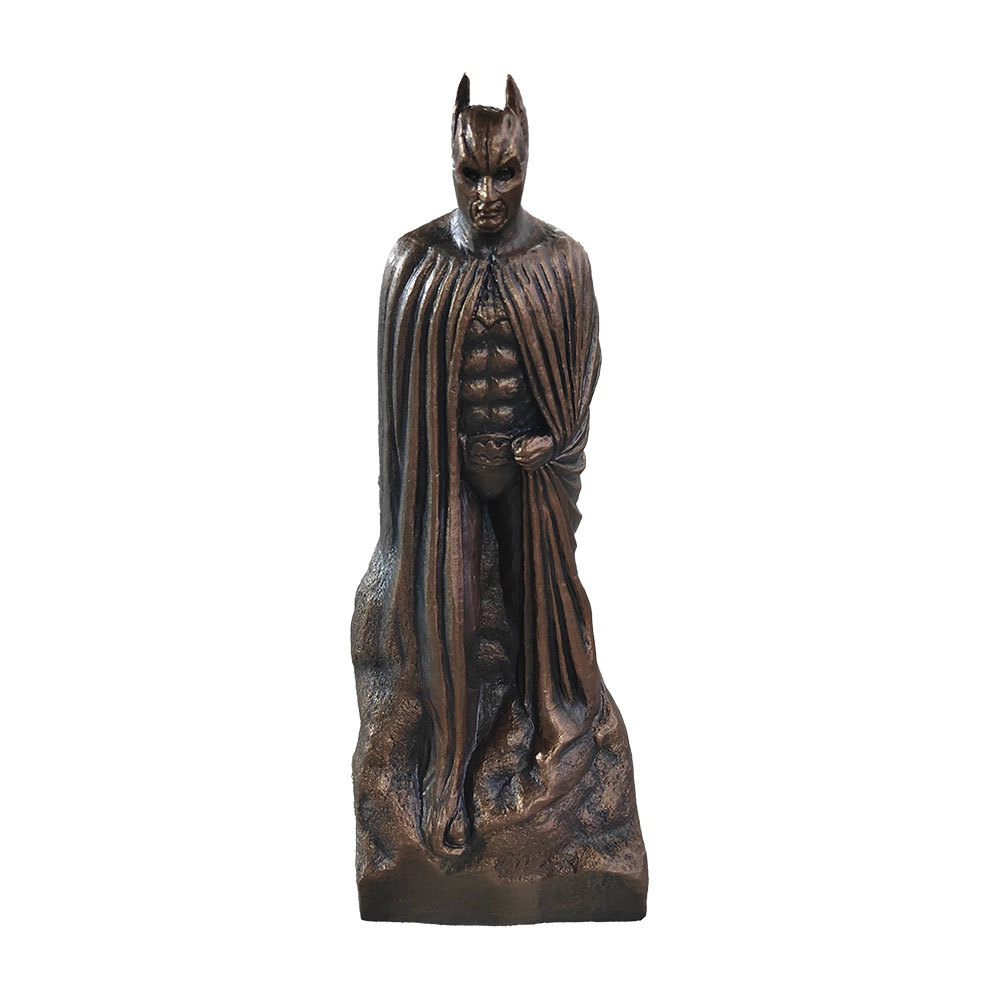
The Art and Craft of Bronze Sculpture: A Timeless Masterpiece
Bronze sculpture represents a unique fusion of art and metallurgy, making it one of the most revered forms of artistic expression throughout history. The process of creating bronze sculptures has evolved over thousands of years, with roots tracing back to ancient civilizations. Today, artists continue to utilize traditional techniques, offering both aesthetic beauty and structural integrity to the
2026/11/20

The Art and Technique of Creating Captivating Granite Sculptures
The Art and Technique of Creating Captivating Granite Sculptures
Table of Contents
Introduction to Granite Sculptures
Choosing the Right Granite for Sculpting
The Design Process: From Concept to Creation
Essential Tools and Techniques for Granite Sculpting
Step-by-Step Sculpting Process
Finishing Touches: Polishing and Sealing Your Sculpture
Caring for Your Granite Scu
2026/11/15

Understanding Memorial Headstones: A Comprehensive Guide for Professionals
Memorial Headstones are significant markers that serve as lasting tributes to dearly departed loved ones. In the realm of funeral and memorial services, understanding the various aspects of memorial headstones is crucial for professionals aiming to provide families with the best options for honoring their loved ones. This article delves into key considerations surrounding memorial headstones, incl
2026/11/10
Get a Quote Today
Looking for a trusted granite memorial supplier?