
Exploring the Art of Bronze Sculpture: A Timeless Craft
2026-04-18 10:10
Bronze sculpture is a remarkable art form that has captivated audiences for centuries. This ancient technique, which dates back to the Bronze Age, involves the casting of molten bronze into various molds to create intricate and enduring works of art. The process not only requires artistic vision but also technical expertise, making it a unique blend of creativity and craftsmanship.
One of the primary advantages of bronze as a medium is its durability. Unlike other materials that may deteriorate over time, bronze sculptures can withstand the elements and age gracefully, making them ideal for both indoor and outdoor displays. This longevity adds significant value to bronze sculptures, as they are often seen as investments that can appreciate over time.
The process of creating bronze sculptures typically begins with the artist crafting a model, often in clay or wax, which captures the desired form and details. This model is then used to create a mold, into which molten bronze is poured. Once cooled and set, the sculpture is removed from the mold and undergoes finishing touches, such as polishing and patination, to enhance its visual appeal. The patina, a natural aging process that occurs when bronze is exposed to air and moisture, can yield beautiful green hues or other tones, adding to the sculpture's character.
Bronze sculpture has played a significant role in various cultures throughout history. From ancient civilizations that created monumental statues to modern artists who explore abstract forms, bronze has remained a favored medium. The significance of these sculptures often transcends mere aesthetics; they can convey historical narratives, commemorate individuals, or symbolize cultural beliefs. As a result, bronze sculptures often hold a special place in public spaces, galleries, and private collections alike.
In the contemporary art scene, bronze sculpture continues to evolve. Artists are experimenting with innovative techniques and combining bronze with other materials, pushing the boundaries of traditional sculpture. This fusion of old and new reflects the dynamic nature of art and its ability to adapt to changing times and tastes.
For collectors and art enthusiasts, understanding the nuances of bronze sculpture can enhance appreciation and selection. When considering a piece, it’s essential to examine the artist's technique, the quality of the casting, and the sculpture's overall composition. Additionally, being aware of the historical context and significance of a piece can enrich the experience of owning a bronze sculpture.
In summary, bronze sculpture is a timeless craft that showcases the intersection of art and technology. Its durability, historical significance, and evolving nature make it a fascinating subject for both artists and collectors. Embracing the world of bronze sculptures can lead to a deeper understanding of art, culture, and the stories that these magnificent pieces tell.
MORE NEWS
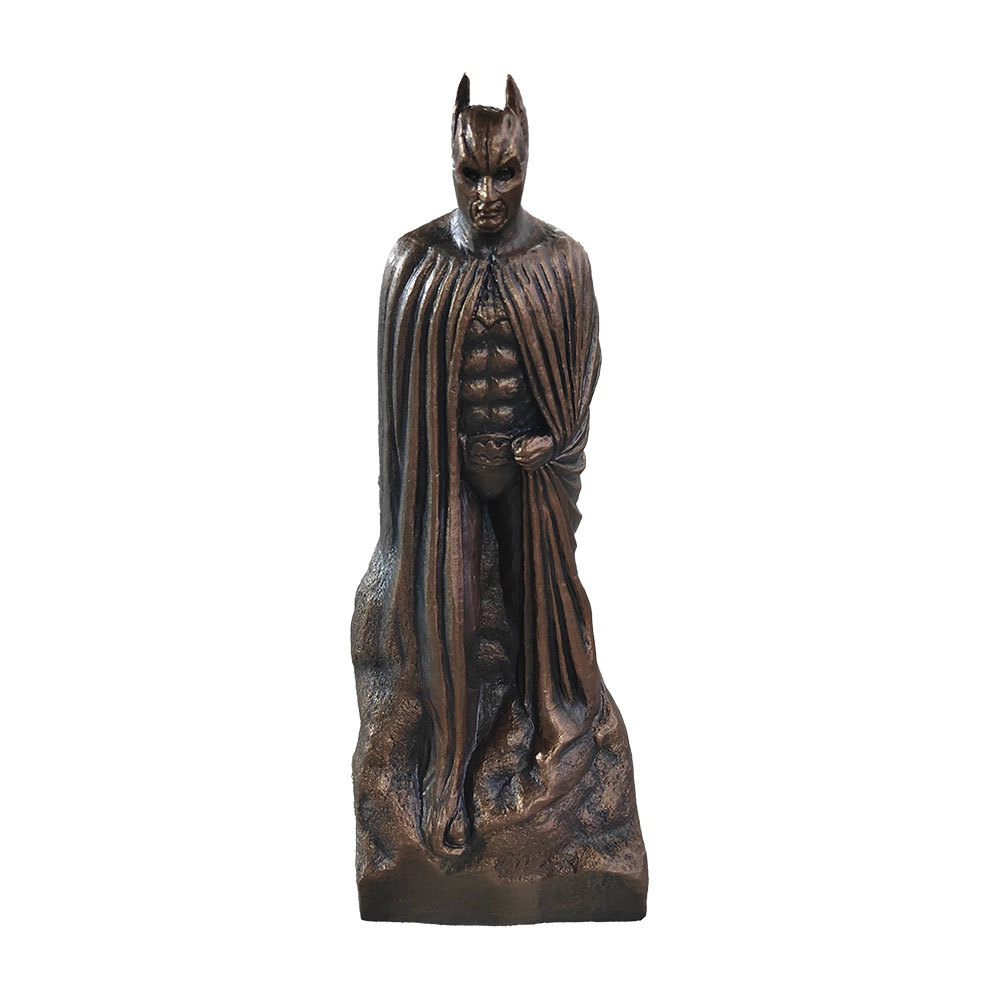
The Art and Craft of Bronze Sculpture: A Timeless Masterpiece
Bronze sculpture represents a unique fusion of art and metallurgy, making it one of the most revered forms of artistic expression throughout history. The process of creating bronze sculptures has evolved over thousands of years, with roots tracing back to ancient civilizations. Today, artists continue to utilize traditional techniques, offering both aesthetic beauty and structural integrity to the
2026/11/20

The Art and Technique of Creating Captivating Granite Sculptures
The Art and Technique of Creating Captivating Granite Sculptures
Table of Contents
Introduction to Granite Sculptures
Choosing the Right Granite for Sculpting
The Design Process: From Concept to Creation
Essential Tools and Techniques for Granite Sculpting
Step-by-Step Sculpting Process
Finishing Touches: Polishing and Sealing Your Sculpture
Caring for Your Granite Scu
2026/11/15

Understanding Memorial Headstones: A Comprehensive Guide for Professionals
Memorial Headstones are significant markers that serve as lasting tributes to dearly departed loved ones. In the realm of funeral and memorial services, understanding the various aspects of memorial headstones is crucial for professionals aiming to provide families with the best options for honoring their loved ones. This article delves into key considerations surrounding memorial headstones, incl
2026/11/10
Get a Quote Today
Looking for a trusted granite memorial supplier?