
The Art and Craft of Bronze Sculpture: A Timeless Tradition
2026-07-09 09:30
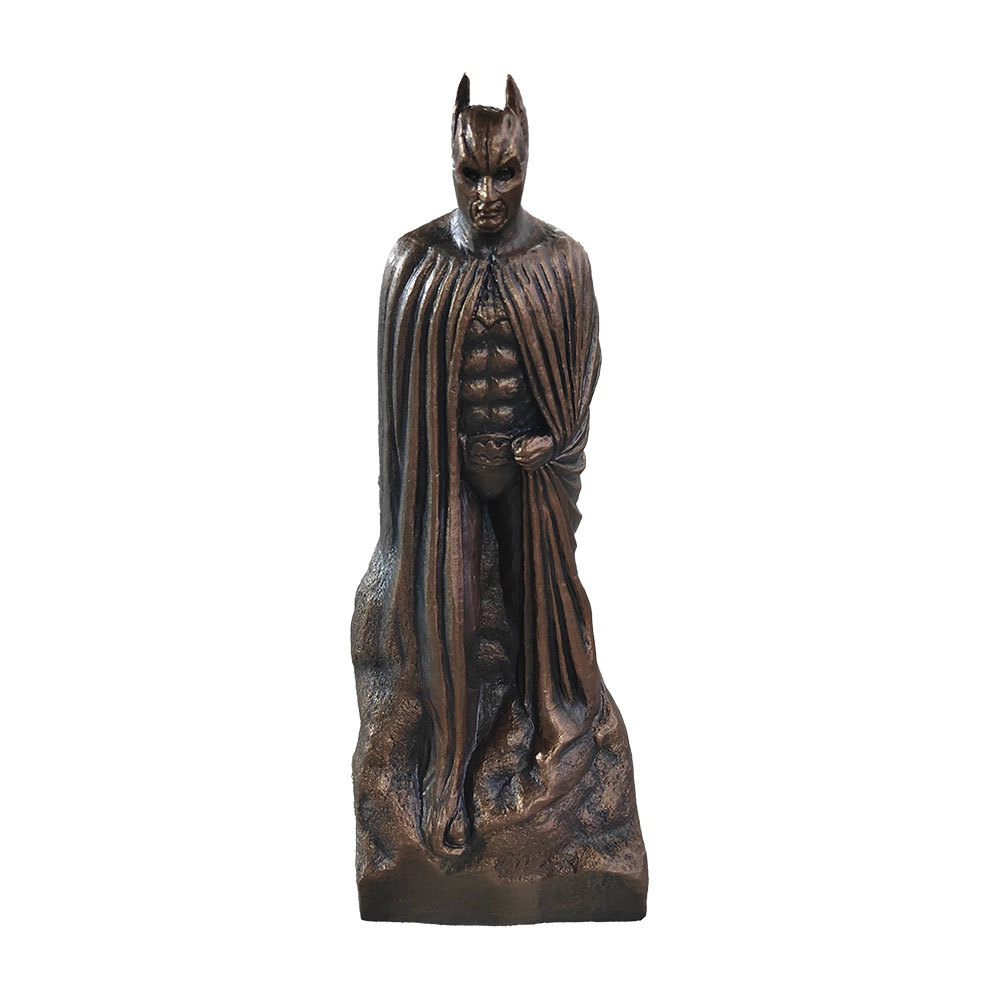
Bronze sculpture is a fascinating art form that has captivated artists and enthusiasts for centuries. Characterized by its durability and aesthetic appeal, bronze has been a favored medium for sculptors since ancient times. The alloy, primarily composed of copper and tin, offers a unique combination of malleability and strength, making it ideal for intricate designs and large-scale works.
One of the most compelling aspects of bronze sculpture is its historical significance. Dating back to the Bronze Age, the use of bronze for artistic expression can be traced through various cultures, from the ancient Greeks and Romans to the East Asian dynasties. Each civilization brought its own techniques and styles to the craft, resulting in a diverse array of sculptures that reflect the values and beliefs of their time.
The process of creating bronze sculptures typically involves several stages, beginning with an initial model, often made of clay or wax. This model is then cast in bronze using various techniques, such as the lost-wax method, where the original model is melted away to leave a hollow bronze form. This sophisticated process allows for incredible detail and precision, enabling artists to bring their visions to life.
In addition to their artistic value, bronze sculptures hold a significant place in the world of decorative arts. They are often used in public installations, gardens, and galleries, serving not only as visual focal points but also as conversation starters. The patina that develops on bronze over time adds another layer of beauty, enhancing the sculpture's character and depth.
Moreover, bronze sculptures can carry profound meanings, often symbolizing strength, resilience, and the human experience. Many artists incorporate themes from mythology, history, and nature, creating works that resonate with viewers on multiple levels. This ability to convey complex emotions and narratives is one reason why bronze sculptures remain a popular choice for collectors and art aficionados alike.
In conclusion, bronze sculpture is more than just an art form; it's a testament to human creativity and ingenuity. The combination of traditional techniques with contemporary themes keeps this craft relevant and exciting. Whether displayed in a personal collection or as part of a public exhibition, bronze sculptures continue to inspire and provoke thought, making them an enduring presence in the world of art.
MORE NEWS
The Art and Craft of Bronze Sculpture: A Timeless Masterpiece
Bronze sculpture represents a unique fusion of art and metallurgy, making it one of the most revered forms of artistic expression throughout history. The process of creating bronze sculptures has evolved over thousands of years, with roots tracing back to ancient civilizations. Today, artists continue to utilize traditional techniques, offering both aesthetic beauty and structural integrity to the
2026/11/20

The Art and Technique of Creating Captivating Granite Sculptures
The Art and Technique of Creating Captivating Granite Sculptures
Table of Contents
Introduction to Granite Sculptures
Choosing the Right Granite for Sculpting
The Design Process: From Concept to Creation
Essential Tools and Techniques for Granite Sculpting
Step-by-Step Sculpting Process
Finishing Touches: Polishing and Sealing Your Sculpture
Caring for Your Granite Scu
2026/11/15

Understanding Memorial Headstones: A Comprehensive Guide for Professionals
Memorial Headstones are significant markers that serve as lasting tributes to dearly departed loved ones. In the realm of funeral and memorial services, understanding the various aspects of memorial headstones is crucial for professionals aiming to provide families with the best options for honoring their loved ones. This article delves into key considerations surrounding memorial headstones, incl
2026/11/10
Get a Quote Today
Looking for a trusted granite memorial supplier?