
The Symbolism of Granite Sculptures in Various Cultures: A Deep Dive into Meaning and Significance
2026-08-03 09:20
The Symbolism of Granite Sculptures in Various Cultures
Granite sculptures have been a significant part of artistic expression across various cultures for centuries. Renowned for their durability and timeless beauty, these sculptures embody a depth of symbolism that transcends mere aesthetics. In this exploration, we will dissect the various cultural meanings attributed to granite sculptures, revealing how they represent strength, spirituality, history, and identity.
The Enduring Nature of Granite: A Symbol of Strength and Resilience
Granite is one of the hardest natural stones, which is why it is often associated with strength and durability. The unyielding nature of granite offers a metaphor for resilience, making it a favored medium for many cultures when creating sculptures that honor deities, commemorate heroes, or celebrate significant events.
Granite as a Material: The Artistic Choice
The choice of granite as a medium for sculpture is not merely aesthetic; it is laden with symbolic meaning. Artists and craftsmen across cultures select this stone to convey messages of permanence and stability. For instance, in ancient Egyptian culture, granite was used to construct monumental statues and temples dedicated to gods and pharaohs, signifying their eternal presence.
Case Study: Egyptian Sculpture
In ancient Egypt, granite was utilized to create some of the most iconic sculptures, such as the Great Sphinx and various statues of pharaohs. These sculptures served not only as artistic expressions but also as embodiments of the divine right to rule, reflecting the pharaohs' connection to the gods. The choice of granite reinforced the notion of everlasting power and divine protection.
Cultural Interpretations of Granite Sculptures
Granite sculptures are not uniform in meaning; rather, they convey different interpretations across cultures. Let us explore how various societies imbue granite sculptures with unique symbolism.
The Significance in Asian Cultures
In many Asian cultures, granite sculptures hold profound spiritual significance. For instance, in Hinduism, granite is often used to carve deities and sacred symbols. The durability of granite mirrors the eternal nature of the divine, while the detailed craftsmanship reflects the dedication of the artisans.
Hindu Deities and Granite
Hindu temples frequently feature intricate granite carvings of deities such as Shiva, Vishnu, and Durga. These sculptures are more than mere representations; they are believed to house the divine presence, serving as focal points for worship and devotion. The solidity of granite symbolizes the steadfastness of faith.
The Role of Granite Sculptures in African Traditions
In various African cultures, granite sculptures often represent ancestral figures, spirits, or totems. The carving of these figures from granite serves as a means of connecting the living with their ancestors, reinforcing community bonds and cultural heritage.
Ancestral Worship and Granite
For many African tribes, sculptures made from granite play a vital role in ancestral worship. These sculptures are often placed in communal spaces or homes, serving as reminders of the ancestors' guidance and protection. The solidity of granite symbolizes the unbreakable bond between generations.
Granite in Western Art and Architecture
In Western cultures, granite has been a popular choice for both sculptures and monumental architecture. The symbolism associated with granite in this context often revolves around themes of power, remembrance, and national identity.
From Classical Antiquity to Modern Monumentality
Granite has been used since ancient times in Western sculpture, with notable examples such as the statue of David by Michelangelo, which showcases the artist's mastery over the medium. In more modern contexts, granite is often employed in war memorials and monuments, signifying respect and remembrance.
Memorials and Public Sculpture
Granite memorials serve as lasting tributes to significant events and figures in history. By using granite, these sculptures convey a sense of permanence and honor, ensuring that the sacrifices made for liberty and justice are not forgotten. The rough texture of granite can also symbolize the struggles faced, while its smooth finish represents peace and resolution.
Modern Uses and Interpretations of Granite Sculptures
Today, granite sculptures continue to evolve, incorporating contemporary themes and techniques while maintaining their historical significance. Modern artists are exploring new interpretations of granite, pushing the boundaries of this traditional medium.
Contemporary Artists Breaking Boundaries
Many contemporary sculptors are reimagining granite sculptures by blending traditional methods with innovative concepts. These artists often use granite to convey messages about modern society, identity, and the environment.
Environmental Art and Granite
Environmental artists are increasingly using granite to create installations that highlight ecological issues. By utilizing this natural material, they draw attention to the importance of preserving both the stone and the environment from which it originates. Through these works, granite becomes a symbol of the earth's beauty and fragility.
The Spiritual Dimensions of Granite Sculptures
Granite sculptures often transcend the physical realm, resonating with spiritual significance. Across various cultures, granite is viewed as a material that connects the earthly and the divine.
Spiritual Symbols and Sacred Geometry
Granite sculptures frequently incorporate elements of sacred geometry and spiritual symbols. These designs are not arbitrary; they are imbued with meanings that enhance the spiritual experience of the viewer.
The Intersection of Art and Spirituality
In many cultures, the act of carving granite is considered a spiritual practice in itself. The physical labor required to shape this hard stone is seen as a form of devotion, transforming both the artist and the material in the process. The resulting sculptures often serve as conduits for meditation and reflection.
Preserving the Legacy of Granite Sculptures
Preserving the integrity of granite sculptures is vital for future generations to appreciate their cultural and historical significance. Various techniques and practices are employed to maintain and protect these works of art.
Conservation Techniques for Granite Sculptures
Proper maintenance and restoration techniques are essential for the longevity of granite sculptures. This includes regular cleaning, monitoring for weathering, and employing specialized conservation methods to address any damage.
The Role of Institutions in Preservation
Museums and cultural institutions play a crucial role in the preservation of granite sculptures. Through exhibitions, research, and public education, they help raise awareness of the importance of these works and promote efforts to protect them.
FAQs about Granite Sculptures and Their Symbolism
1. What does granite symbolize in sculpture?
Granite symbolizes strength, resilience, and permanence. It is often chosen for sculptures that represent timeless values and enduring themes.
2. How do different cultures interpret granite sculptures?
Different cultures attribute various meanings to granite sculptures, often relating to spirituality, ancestry, and national identity, reflecting their unique historical and cultural contexts.
3. Why is granite used for memorials and monuments?
Granite is used for memorials because of its durability and permanence, representing respect and remembrance for significant figures and events in history.
4. What is the process of creating a granite sculpture?
Creating a granite sculpture involves selecting the stone, sketching designs, carving with specialized tools, and finishing the surface to achieve the desired aesthetic.
5. How can I preserve a granite sculpture?
Preserving a granite sculpture involves regular cleaning, protection from environmental damage, and professional restoration when necessary to maintain its structural integrity.
Conclusion
Granite sculptures are more than mere artistic creations; they are rich with symbolism and meaning, reflecting the cultures and histories from which they arise. From ancient Egyptian monuments to contemporary installations, granite continues to serve as a powerful medium for expression. Understanding the depth of symbolism associated with granite sculptures enhances our appreciation for this timeless art form and the stories it tells. As we explore these magnificent creations, we uncover the shared human experiences and values that unite us across cultures and generations.
MORE NEWS
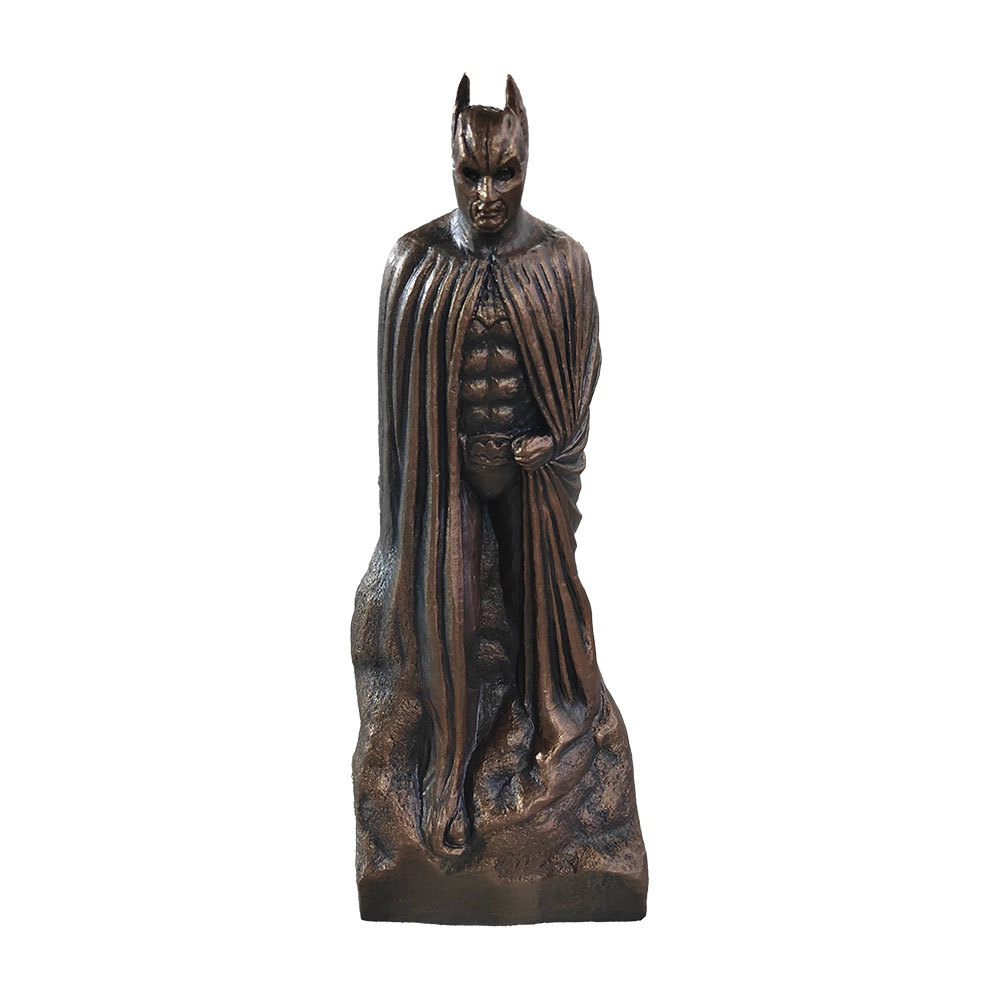
The Art and Craft of Bronze Sculpture: A Timeless Masterpiece
Bronze sculpture represents a unique fusion of art and metallurgy, making it one of the most revered forms of artistic expression throughout history. The process of creating bronze sculptures has evolved over thousands of years, with roots tracing back to ancient civilizations. Today, artists continue to utilize traditional techniques, offering both aesthetic beauty and structural integrity to the
2026/11/20

The Art and Technique of Creating Captivating Granite Sculptures
The Art and Technique of Creating Captivating Granite Sculptures
Table of Contents
Introduction to Granite Sculptures
Choosing the Right Granite for Sculpting
The Design Process: From Concept to Creation
Essential Tools and Techniques for Granite Sculpting
Step-by-Step Sculpting Process
Finishing Touches: Polishing and Sealing Your Sculpture
Caring for Your Granite Scu
2026/11/15

Understanding Memorial Headstones: A Comprehensive Guide for Professionals
Memorial Headstones are significant markers that serve as lasting tributes to dearly departed loved ones. In the realm of funeral and memorial services, understanding the various aspects of memorial headstones is crucial for professionals aiming to provide families with the best options for honoring their loved ones. This article delves into key considerations surrounding memorial headstones, incl
2026/11/10
Get a Quote Today
Looking for a trusted granite memorial supplier?