
A Comprehensive Guide to Bronze Sculpture: Techniques, Benefits, and Artistic Value
2026-10-07 09:11
Bronze sculpture has been a significant medium in the world of art for centuries, known for its durability, malleability, and the rich patina it develops over time. The process of creating bronze sculptures typically involves several key techniques, each contributing to the final artwork’s character and quality.
One of the most common methods used in bronze sculpture is the lost-wax casting technique. This ancient method involves creating a wax model of the desired sculpture, which is then encased in a mold. When the mold is heated, the wax melts away, leaving an empty cavity into which molten bronze is poured. This technique allows for intricate details and complex forms to be replicated, making it a favorite among sculptors.
Another method is sand casting, which involves creating a sand mold that captures the sculpture’s details. While this technique can be less precise than lost-wax casting, it is often used for larger sculptures where cost and time efficiency are factors. Both methods showcase the versatility of bronze as a medium, allowing artists to experiment with different styles and sizes.
The benefits of owning bronze sculptures extend beyond their aesthetic appeal. Bronze is a material that withstands the test of time, making it an excellent investment for collectors. Unlike other materials, bronze is less susceptible to environmental damage, such as rust or degradation, ensuring that the sculpture retains its beauty for generations. Additionally, the natural aging process can enhance the sculpture's appearance, developing a unique patina that adds to its character.
Bronze sculptures also hold significant artistic value, often representing cultural and historical narratives. Many renowned sculptors throughout history have used bronze to convey deep themes and emotions, making their works timeless pieces that resonate with viewers. The ability to capture the human form, abstract concepts, or nature in bronze further demonstrates the medium’s versatility and the skill of the artist.
For those interested in acquiring bronze sculptures, it is essential to consider the artist's background and the piece's provenance. Authenticity plays a crucial role in determining the sculpture's value, and purchasing from reputable galleries or artists can ensure you receive a genuine work of art.
In conclusion, bronze sculpture is a captivating art form that combines technical skill with artistic expression. Whether you are a collector or simply an admirer of art, understanding the techniques and benefits of bronze sculptures can enrich your appreciation for this enduring medium. With its rich history and enduring quality, bronze sculpture remains a significant element in the world of art, embodying the creativity and vision of the artists who create it.
MORE NEWS
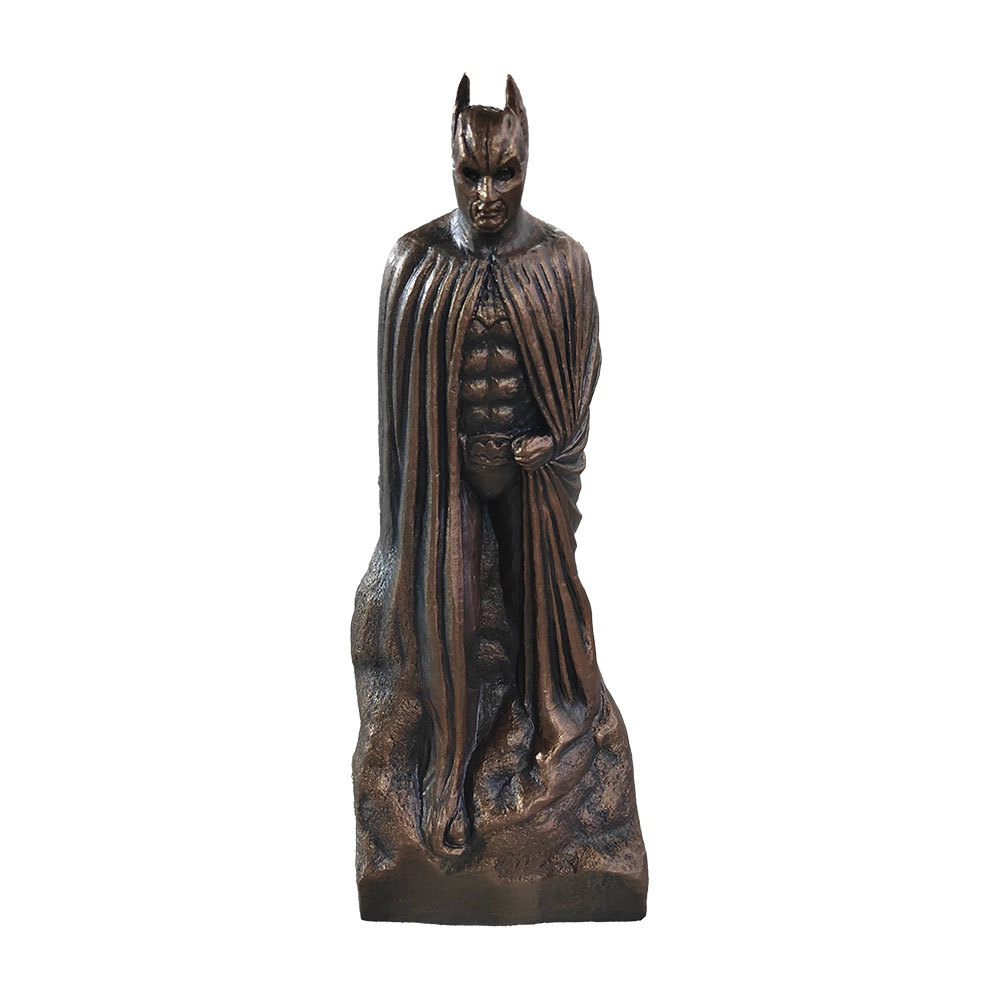
The Art and Craft of Bronze Sculpture: A Timeless Masterpiece
Bronze sculpture represents a unique fusion of art and metallurgy, making it one of the most revered forms of artistic expression throughout history. The process of creating bronze sculptures has evolved over thousands of years, with roots tracing back to ancient civilizations. Today, artists continue to utilize traditional techniques, offering both aesthetic beauty and structural integrity to the
2026/11/20

The Art and Technique of Creating Captivating Granite Sculptures
The Art and Technique of Creating Captivating Granite Sculptures
Table of Contents
Introduction to Granite Sculptures
Choosing the Right Granite for Sculpting
The Design Process: From Concept to Creation
Essential Tools and Techniques for Granite Sculpting
Step-by-Step Sculpting Process
Finishing Touches: Polishing and Sealing Your Sculpture
Caring for Your Granite Scu
2026/11/15

Understanding Memorial Headstones: A Comprehensive Guide for Professionals
Memorial Headstones are significant markers that serve as lasting tributes to dearly departed loved ones. In the realm of funeral and memorial services, understanding the various aspects of memorial headstones is crucial for professionals aiming to provide families with the best options for honoring their loved ones. This article delves into key considerations surrounding memorial headstones, incl
2026/11/10
Get a Quote Today
Looking for a trusted granite memorial supplier?